
Last updated November 22, 2026
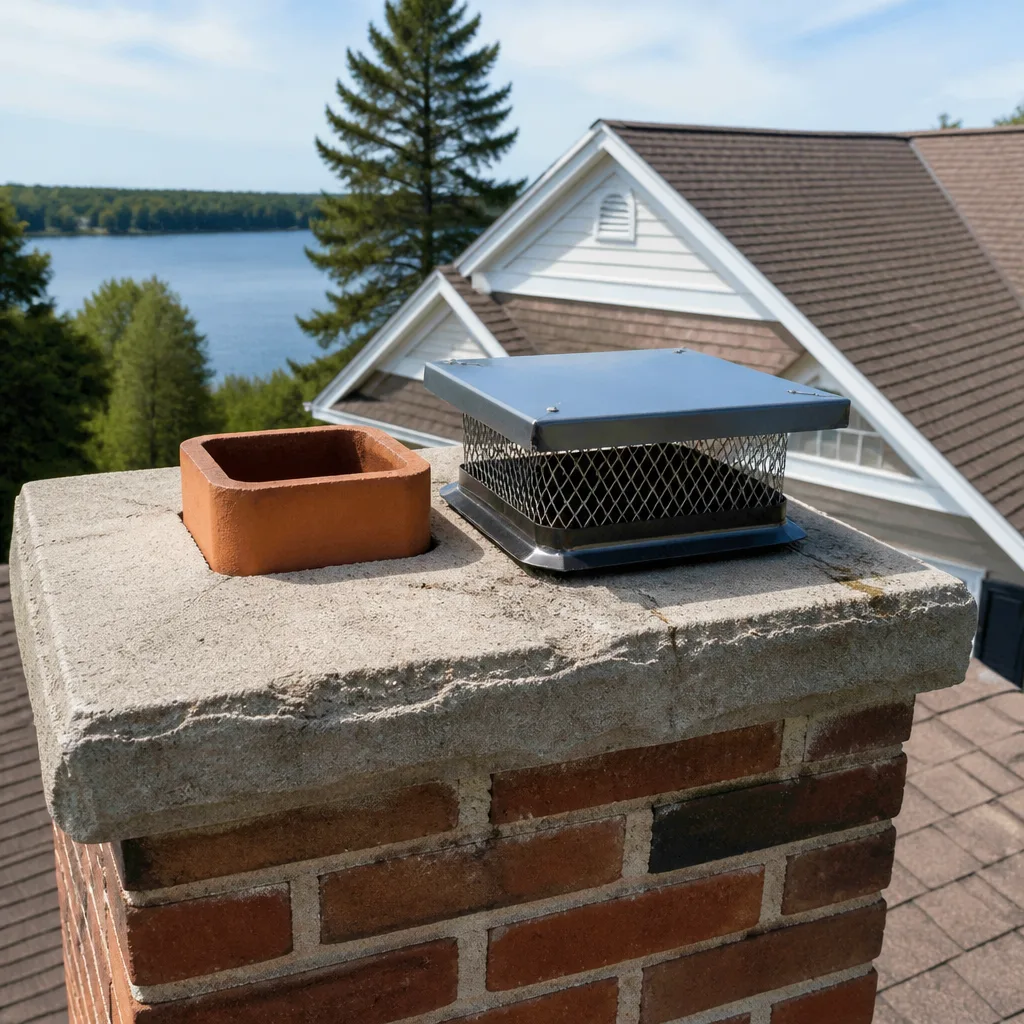 Sweep & inspection
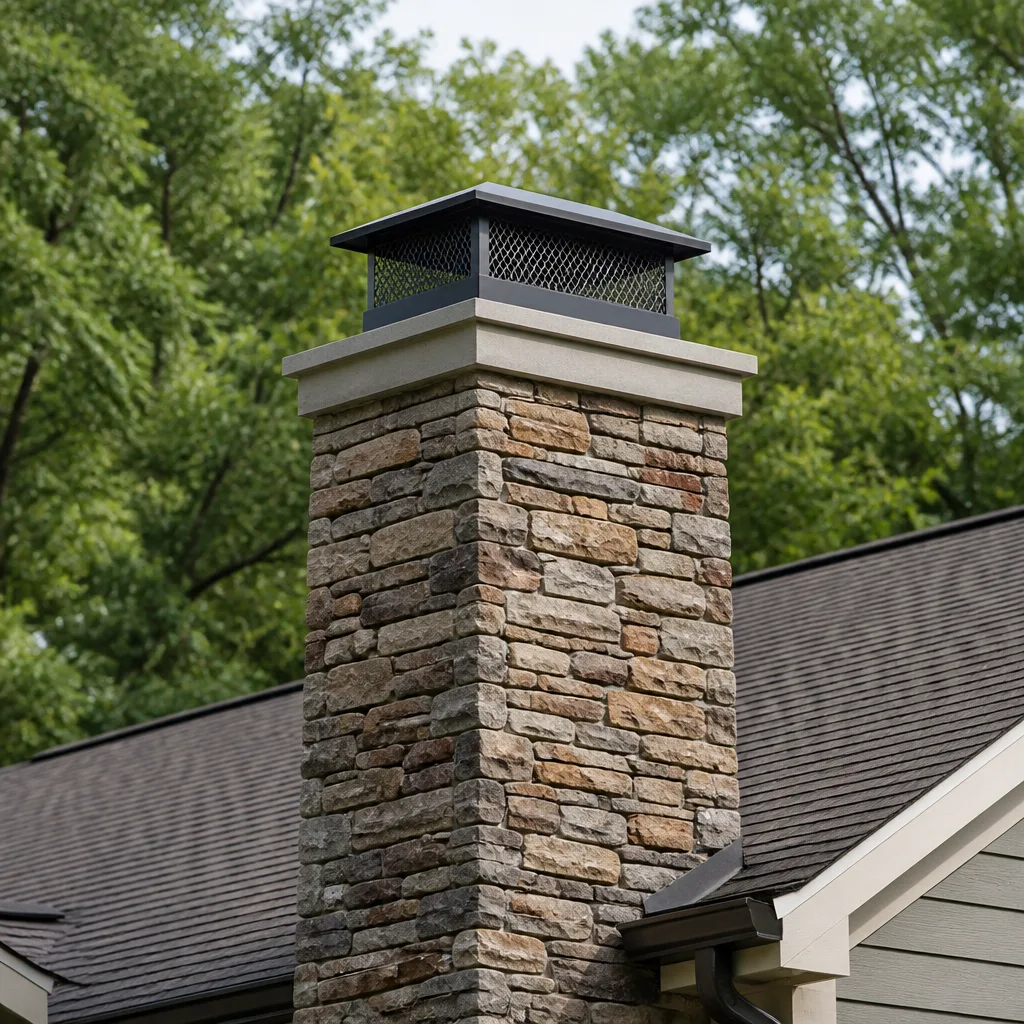 Caps & crowns
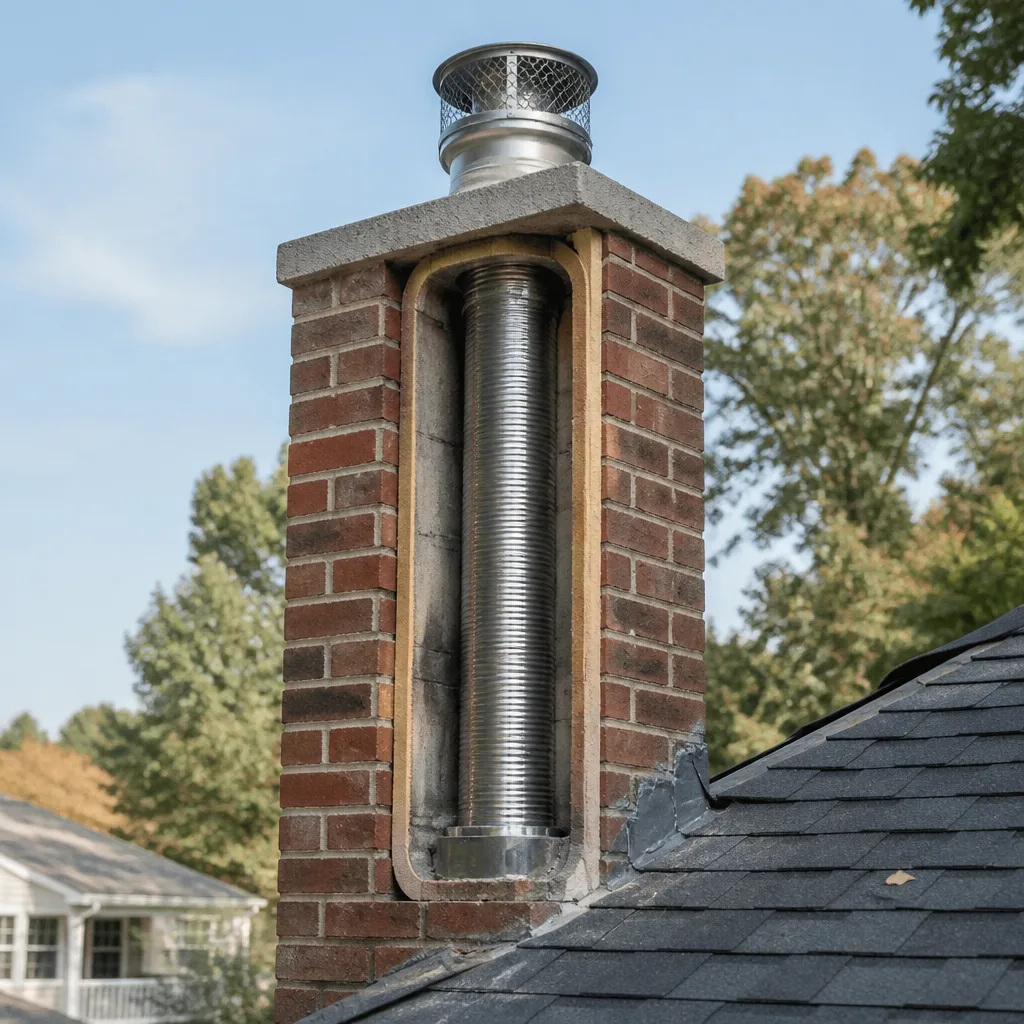 Flue relining
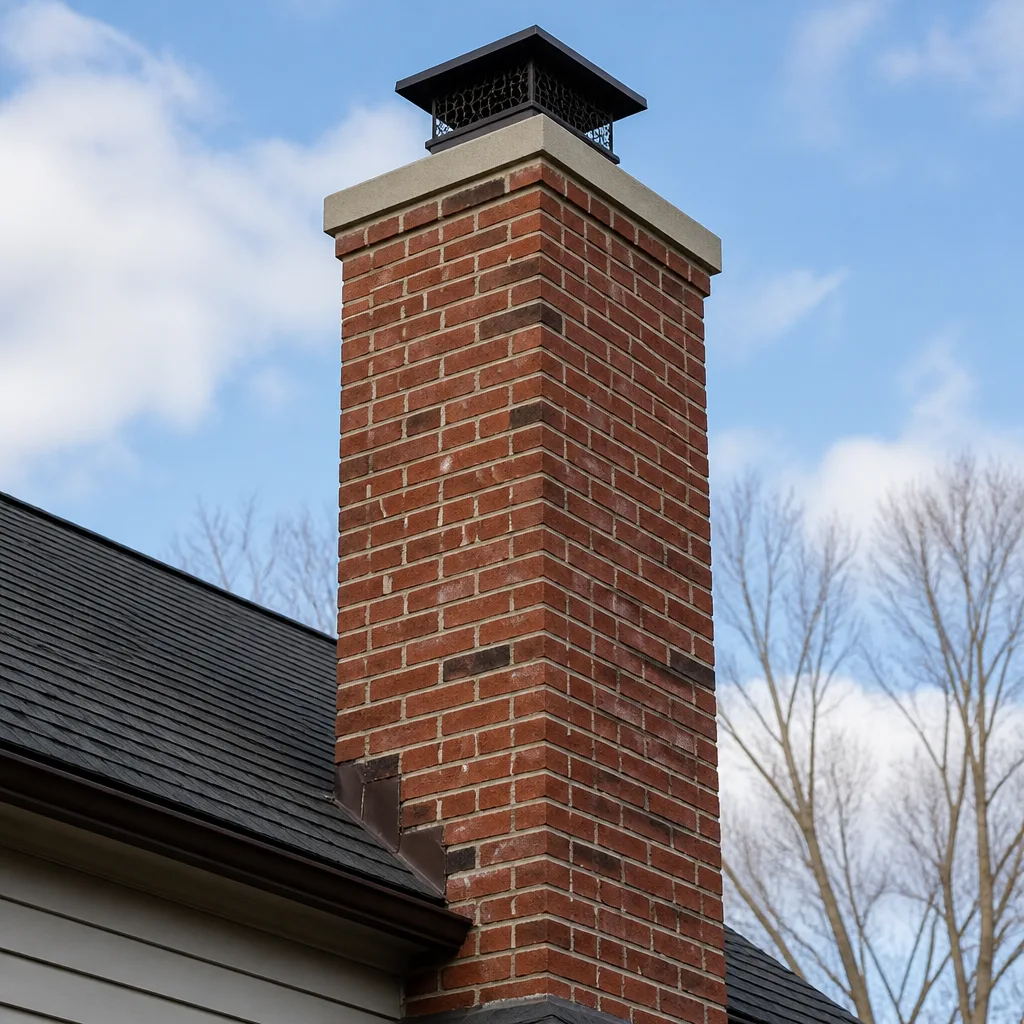 Masonry repair
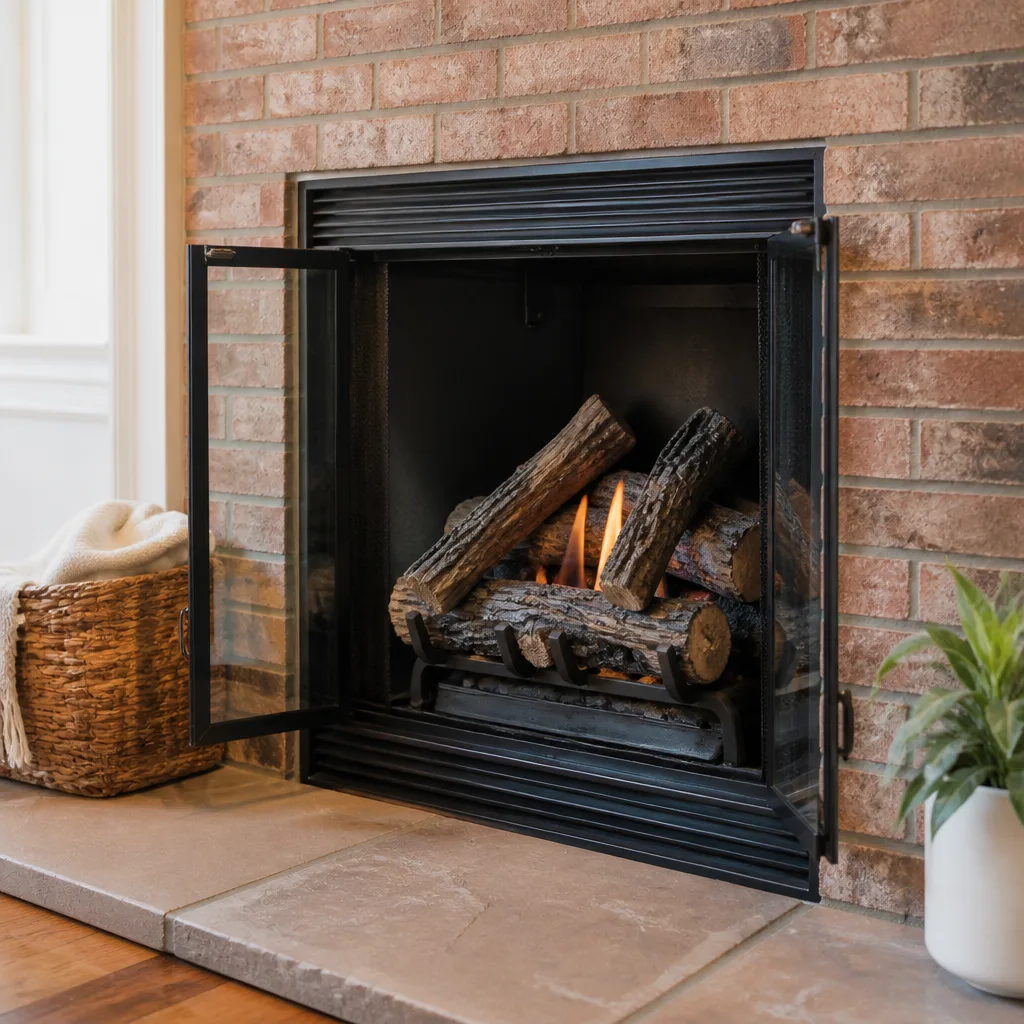 Gas fireplace service
Level 1 sweep and inspection to the NFPA 211 annual standard - flue, crown, cap, and flashing checked and photographed
Chimney sweep logs do not sweep chimneys. They loosen some creosote - which then falls where a brush and vacuum still have to collect it.
Chimney Cleaning Cost Breakdown: The Forest Hills Homeowner’s Reference for 2026
The $149 sweep special often ends up costing more than the homeowner bargained for. Not because anyone set out to deceive them, but because a quote that low almost always leaves out the inspection that finds what the sweep alone can’t see: the hairline crack in the flue tile, the crown that’s pulling away from the chimney top, the thin spot in the liner. You pay the bargain rate, then pay again when the real problem shows up later. This reference breaks down every line item in a Forest Hills chimney job, from a straightforward sweep to a full relining, so you know what each tier includes, what it should cost, and which repairs can safely wait.
Quick Answer
In Forest Hills, chimney cleaning itself typically runs $150 to $290 for a basic sweep, while a Level 2 inspection adds $150 to $400, liner repair or resurfacing can reach $900 to $2,500, and a full relining typically falls between $2,500 and $6,000 depending on flue height and liner material. Most homeowners end up in the $300 to $600 range once a sweep and inspection are bundled together. The written estimate after an on-site assessment sets the final price for your specific chimney.
Styles & brands we work with
- Sweep & inspection
- Caps & crowns
- Flue relining
- Masonry repair
- Gas fireplace service
Table of Contents
- What does chimney cleaning cost in Forest Hills in 2026?
- Sweep, inspection, repair, reline: what each tier covers
- What shifts the price in Forest Hills’ housing stock
- Why quotes from different contractors vary so widely
- Which repairs can wait and which create liability
- How to read a chimney quote line by line
- Common mistakes to avoid
- Frequently asked questions
What does chimney cleaning cost in Forest Hills in 2026?
Chimney cleaning in Forest Hills typically costs $150 to $290 for a basic sweep of a standard flue, and most homeowners pay closer to $300 to $600 once a proper inspection is included. The number depends on how much of the system gets examined, not just how much soot comes out. A sweep that only clears the flue tells you very little about the liner, the crown, or the firebox behind it.
Here’s how the main cost tiers break down for a typical Forest Hills home:
- Basic sweep (Level 1 visual check included): typical range $150 to $290
- Standalone Level 1 inspection: typically $100 to $200
- Level 2 inspection with camera: typically $150 to $400
- Liner resurfacing (HeatShield): typically $900 to $2,500
- Full relining (DuraFlex or Olympia Chimney): typically $2,500 to $6,000
- Crown rebuild or cap replacement: typically $300 to $1,200 depending on scope
- Fireplace or firebox repair: quoted after assessment, usually $400 to $2,000
Those ranges describe what we routinely see quoted across Queens and Forest Hills on the same kinds of prewar and midcentury homes. Your number comes down to flue height, liner material, appliance type, and whether the sweep turns up something that needs a separate repair.
We’d rather you come away from a chimney sweep knowing exactly what your chimney needs than with a low invoice and no idea what’s happening inside the flue. The written estimate is free, and nothing gets recommended without camera evidence you can look at yourself.
Sweep, inspection, repair, reline: what each tier covers
The biggest source of sticker shock in Forest Hills chimney work isn’t the sweep. It’s discovering that the low quote you accepted didn’t include the inspection that would have flagged a failing liner six months before it became a bigger repair. Knowing what each service tier covers keeps you out of that trap.
Level 1 inspection
A visual check of the accessible parts of the chimney and firebox, done with a flashlight and basic tools. It’s the minimum standard and usually folded into a routine sweep. It catches obvious soot buildup and visible blockages. It won’t see inside a flue that’s already been relined or has offsets and turns in it.
Level 2 inspection
This is where a camera goes up the flue. It’s the inspection you want when buying or selling a home in Forest Hills, after a chimney fire, after any change in appliance or fuel type, or when a Level 1 turns up something concerning. The camera footage shows the liner from the inside: cracks, gaps in the joints, spalling, and the crown from above. A reputable contractor includes the photo or video report so you can see what they saw. That documented record is also what makes a standalone inspection worth paying for when a real estate transaction is involved.
Level 3 inspection
Reserved for seriously compromised chimneys, where reaching a concealed area means removing part of the chimney structure or an interior wall. This is uncommon, expensive, and only done when a Level 2 has already identified a hazard that can’t be assessed any other way. Expect a separate project quote, not a line item.
Liner repair vs. full relining
When flue tiles are cracked or deteriorating, there are two main paths. HeatShield resurfacing works from the inside, sealing over the damaged tile with a cast-in-place liner that restores the flue without demolition. It’s a repair option that most sweep-and-leave companies can’t offer, because it requires specific tooling and material knowledge. When the flue is beyond resurfacing, a flexible stainless liner (DuraFlex and Olympia Chimney are the products we specify) gives a code-compliant flue upgrade for older chimneys or a converted heating appliance. Full relining is the bigger job by far, which is why the price gap between resurfacing and relining is so wide.
What shifts the price in Forest Hills’ housing stock
Two chimneys in the same zip code can quote very differently. In Forest Hills, that’s mostly down to five things: flue height, liner material, appliance type, roof access, and what the inspection finds.
- Flue height: A taller flue means more liner material, more labor on the roof, and more time to run a camera and sweep. A two-story Forest Hills Colonial with a steep roof pitch is a different job from a single-story ranch.
- Liner material: Clay tile, stainless, and cast-in-place have different sweep and repair costs. A prewar home with original clay tile may need more careful handling than a midcentury one that was relined decades ago.
- Appliance type: A wood-burning fireplace needs a straightforward flue sweep. A gas appliance may need different cleaning tools and attention to venting. A converted oil furnace or wood stove puts different demands on the flue and the liner.
- Roof access and chimney location: An exterior chimney on the side of the house, common on some of the older homes around Forest Hills Gardens and Austin Street, means more setup time and more careful work from a ladder or roof. An interior chimney with a straight run down to the firebox is faster.
- What the inspection finds: A crown pulling away from the flue, a cracked tile at a joint, or an animal nest near the top all turn a $200 sweep into a bigger job. The assessment is what tells you which one you have.
The climate in Forest Hills matters here too. Our winters bring freeze-thaw cycles that stress masonry, and the wet springs push moisture into any gap in the crown or cap. A chimney without a proper cap takes on water year after year, and the damage compounds. That’s why we treat cap and crown work as part of the chimney system, not an add-on. Gelco and Famco caps and covers solve the moisture and animal problem at the same appointment as the sweep whenever the weather and access allow. It’s one of the highest-value line items on a Forest Hills chimney budget.
Why quotes from different contractors vary so widely
Call three chimney companies in Forest Hills and you’ll get three quotes that look nothing alike. That’s normal, and it’s worth understanding before you pick one. The biggest cost driver isn’t the contractor’s hourly rate. It’s what their quote includes and what equipment and material quality they’ll bring to your house.
- Certification level of the technician. A trained industry-certified technician inspects to a documented standard and produces a written report. A generalist who also sweeps chimneys may only clear the flue and leave without a camera or a report.
- Equipment. Rotary chimney brushes, video inspection cameras, and containment systems cost real money. A contractor who owns this equipment will quote a higher sweep than one with a hand brush and no camera, and the extra money buys you a real assessment of the flue.
- Material brand quality. HeatShield, DuraFlex, Olympia Chimney, Gelco, and Famco are professional-trade brands that specifiers use for a reason. They’re not available at general hardware stores. A liner quote built on an unbranded material may look cheaper, but the lifespan and warranty situation are completely different.
- Scope of work. One quote covers a sweep and a Level 1 check. Another covers a sweep, a Level 2 camera inspection, a photographic report, and a repair recommendation. The second quote is higher and safer.
- What they do when they find a problem. A full-service contractor who handles sweeping, inspection, cap and crown, liner, structural chimney repair, and fireplace repair can act on the problem in the same visit or a scheduled follow-up. A sweep-only company has to refer you out, which means another call, another visit, and probably another quote.
When you compare quotes, compare scope, not just the bottom line. A $199 quote for a sweep means nothing if the contractor plans to walk away and leave the liner question unanswered. Ask what’s included, and ask specifically whether the price covers a Level 1 inspection and a written report. On the other side, a $1,200 quote for a sweep should come with a reason. Don’t accept unexplained line items any more than you’d accept a missing inspection.
One more thing worth saying plainly: we’re not the cheapest sweep in Forest Hills, and that’s intentional. We work on the whole system, not just the visible soot. When we quote, we quote the work your chimney actually needs, not the work that fits the lowest possible number.
Which repairs can wait and which create liability
Not every finding from a Forest Hills chimney inspection requires a check this month. Some repairs protect the long-term health of the chimney and can be scheduled after the burning season. Others are safety or liability problems that shouldn’t wait. Sorting one from the other is where a lot of homeowners get talked into work they don’t need, or skip work that matters.
Here’s how we’d categorize the common findings:
Create a liability or safety problem now
- A cracked or separated flue liner in an active chimney. Combustion gases can escape into the house through a damaged liner. This is a real carbon monoxide risk and should be addressed before the next fire.
- A firebox that’s spalled or cracked to the point of structural weakness. A failure here can let fire reach the framing behind the fireplace.
- A missing or loose cap on a chimney in use. An open flue lets water and animals in, and in extreme cases a bird or squirrel nest can block the flue. That’s a real hazard.
- Any sign of a chimney fire you didn’t know you had. A chimney fire often goes unnoticed. A Level 2 inspection will find the evidence.
Can be scheduled, but shouldn’t wait forever
- A cracked crown. It lets water into the masonry. A small crack can grow through a winter of freeze-thaw cycles here in Forest Hills. Get it on the schedule before the next spring.
- A deteriorating cap (not missing). Still doing its job, but fading. Plan a replacement.
- Moderate creosote buildup. A yearly sweep handles it. Left too long, it becomes a fire hazard.
- Minor spalling on an exterior chimney. Cosmetic now, structural later.
Cosmetic or minor
- Discoloration on the exterior masonry
- Faded paint on a cap or cover
- Small amounts of rust on a flue collar
The key is: don’t take a contractor’s word for which category your chimney is in. Ask to see the camera footage. Nothing we recommend goes on your estimate without photo evidence you can look at. And when a repair can safely wait, we’ll tell you that too. That’s how you know a recommendation is real.
For the whole-system services where the biggest findings usually get handled, a proper chimney cap & crown repair is what stops the moisture and animal damage at the top of the stack, and it’s the most common repair that Forest Hills homeowners were told they didn’t need.
How to read a chimney quote line by line
A good chimney quote in Forest Hills is specific enough that you can read it without a contractor standing over your shoulder. A bad one is a range on the back of an envelope. Here’s what a complete quote should contain, and what the warning signs look like.
What should always be in the quote
- A description of the work, method, and materials. “Sweep chimney” isn’t enough. It should name the tooling, the access, and, when relevant, the product brand (HeatShield, DuraFlex, Olympia Chimney, Gelco, Famco, Copperfield).
- The inspection level. Every quote should state whether a Level 1, Level 2, or Level 3 inspection is included. If it’s a cash-and-carry sweep quote without Level 1, treat it as a red flag.
- The written photo report. For any Level 2 inspection, a report with photos or video of what was found. The report is the record that matters when you sell the house or file an insurance claim.
- Itemized repair costs, not lump sums. “Repairs as needed: $800” is a blank check. A proper quote lists each repair, its cost, and what it fixes.
- A clear statement of what’s deferred. A good quote tells you which findings are cosmetic and safe to leave, so you’re not paying for work that isn’t needed yet.
- Clean-up and disposal. Who removes the soot, the debris, the old material.
Warning signs of an incomplete proposal
- No mention of an inspection or a report
- No itemization
- Brand names missing on liner and cap work
- Line items that match the lowest-market price for a job you know is bigger
- No written estimate before work starts
- Pressure to decide on a repair the same day, without camera evidence
The estimate we put in front of you is free and written. It names the products we intend to use, the inspection level, and each line item. That way you can see what you’re paying for and, just as importantly, what you aren’t. Call (855) 410-4917. We answer 24/7. Fast dispatch from 7am to 7pm, Sunday through Friday.
Common Mistakes to Avoid
- Choosing a sweep on price alone. The cheapest quote in Forest Hills is often the one that skips the inspection and leaves the real problem for next season. Compare scope, not just the number.
- Assuming a sweep is the same as an inspection. A sweep clears soot. An inspection tells you what shape the flue, liner, and crown are in. They’re different services, and only one of them is designed to find a failing liner.
- Skipping the cap because “it looks fine.” A missing or loose cap is one of the most common sources of chimney moisture and animal damage in Forest Hills. It’s also one of the cheapest repairs to get right.
- Ignoring a Level 2 inspection when buying a home. A prewar or midcentury house may have a liner that hasn’t been looked at in decades. A camera inspection in a real estate transaction is cheap relative to the surprise it prevents.
- Taking a “you need a full reline” verdict without seeing the footage. Ask to see the camera image. If the contractor can’t show it to you, get a second opinion.
- Delaying a repair that’s actually a safety hazard. A cracked liner in an active chimney is a combustion gas and fire risk, not a cosmetic item. Don’t defer it because the quote felt high; get clear on the risk and prioritize.
- Letting one contractor handle part of the system and another handle the rest. A fireplace that isn’t working right is often a chimney problem, and a chimney problem is sometimes a firebox problem. One company covering the full system prevents the handoff where things get missed.
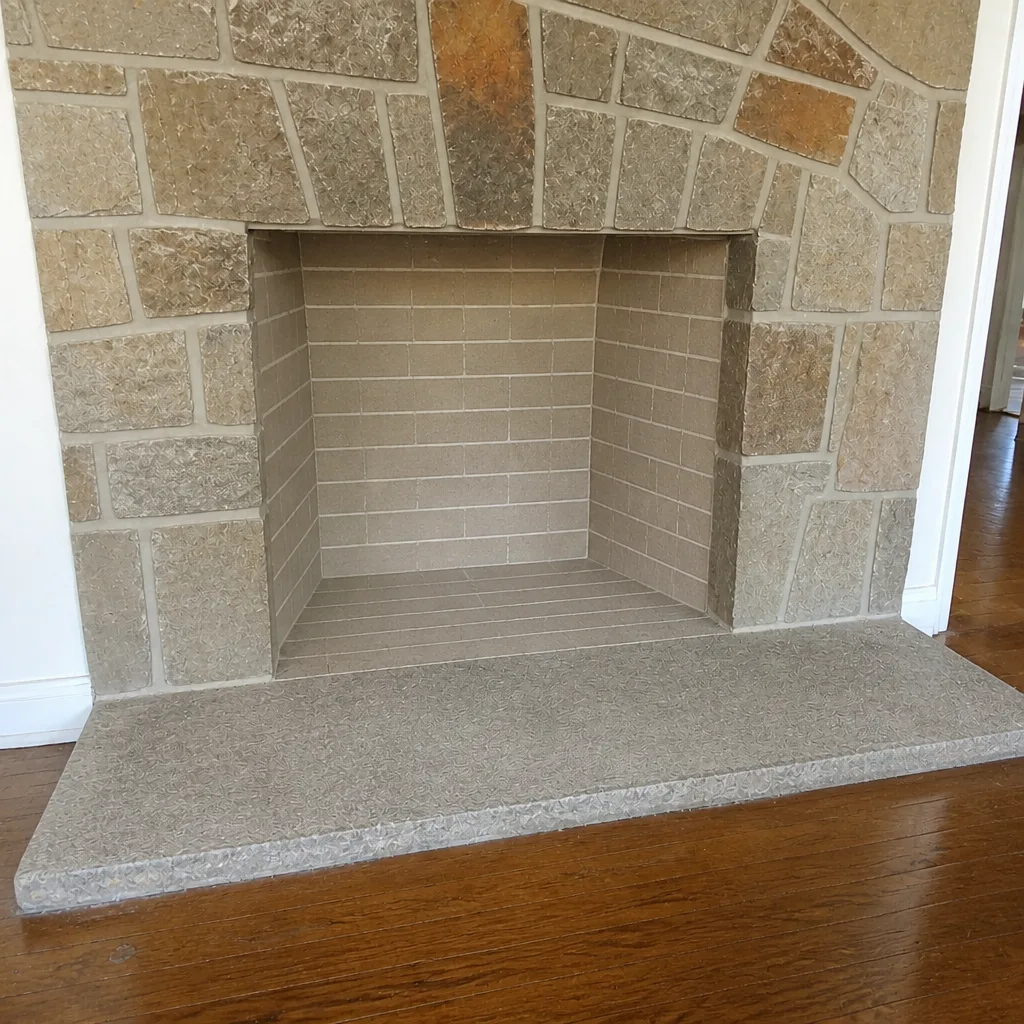
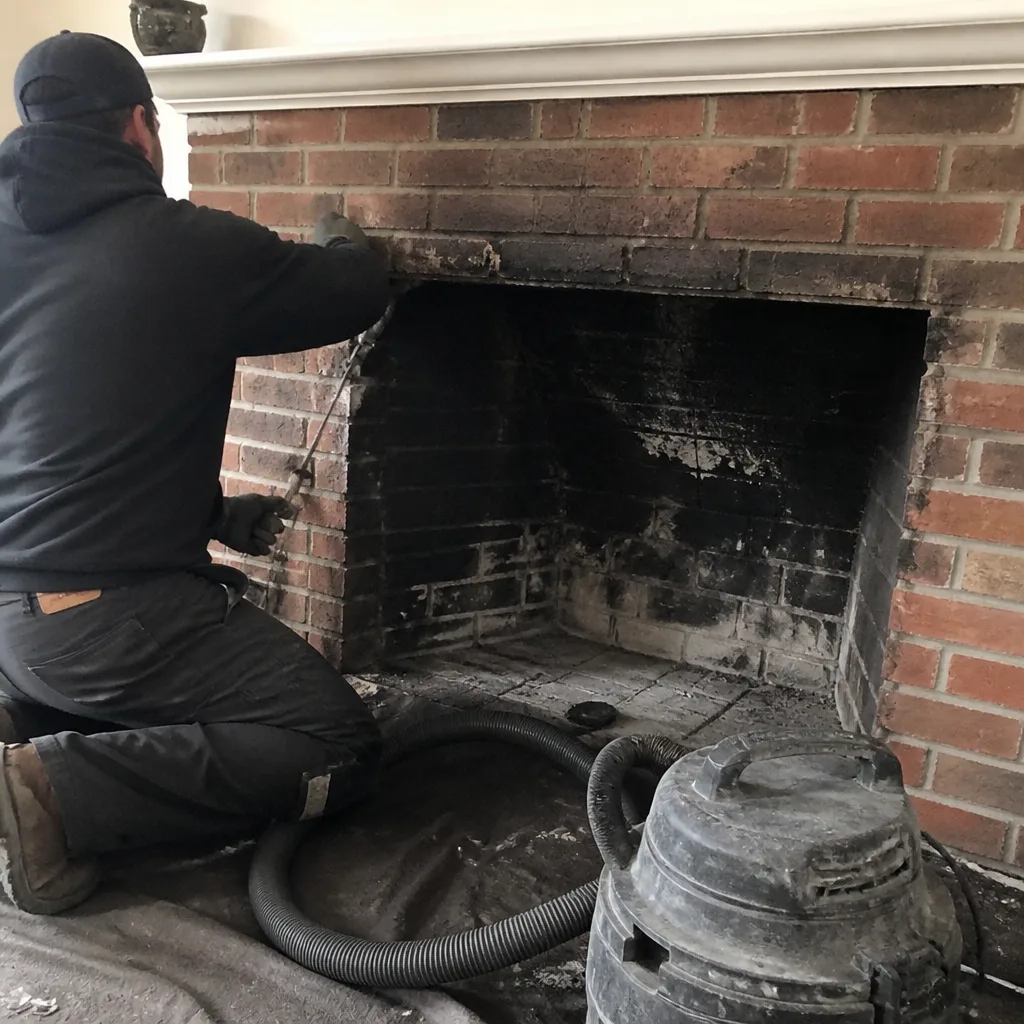
See the difference
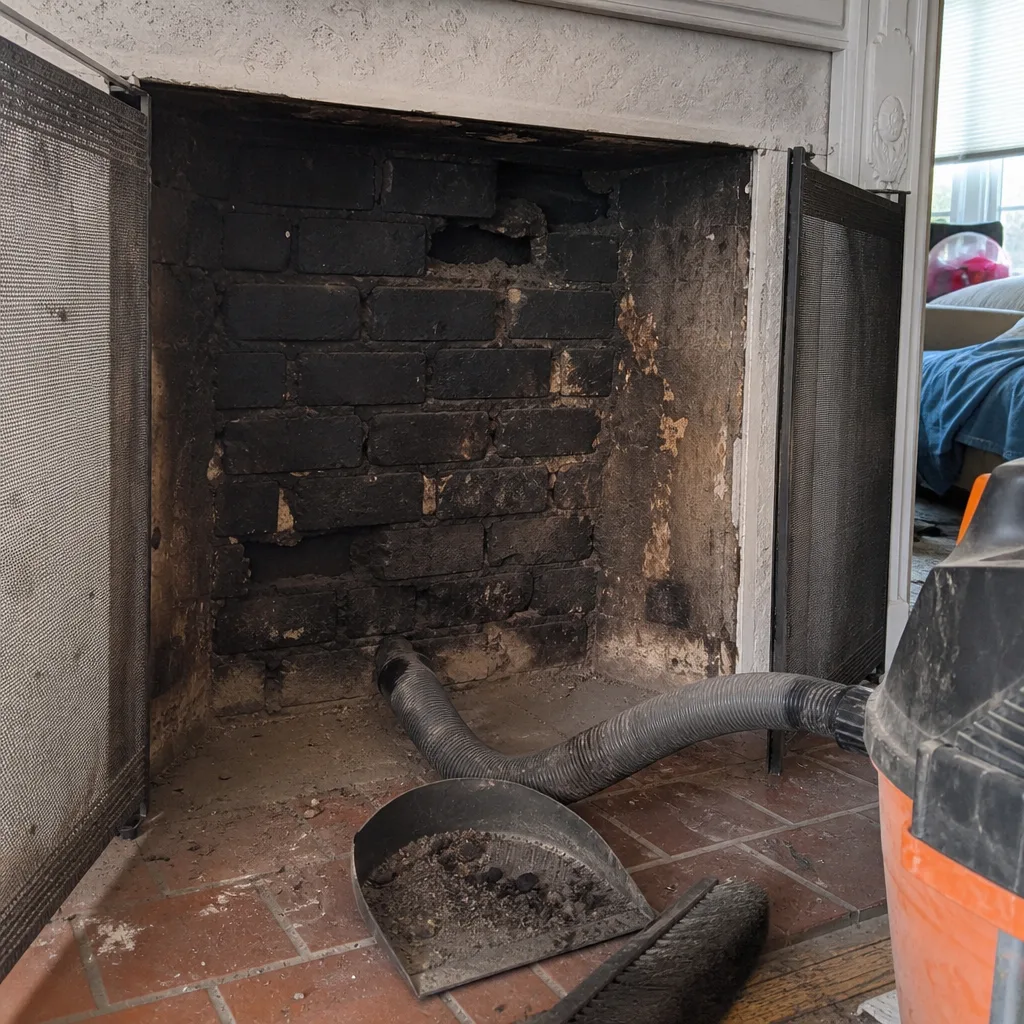 Before
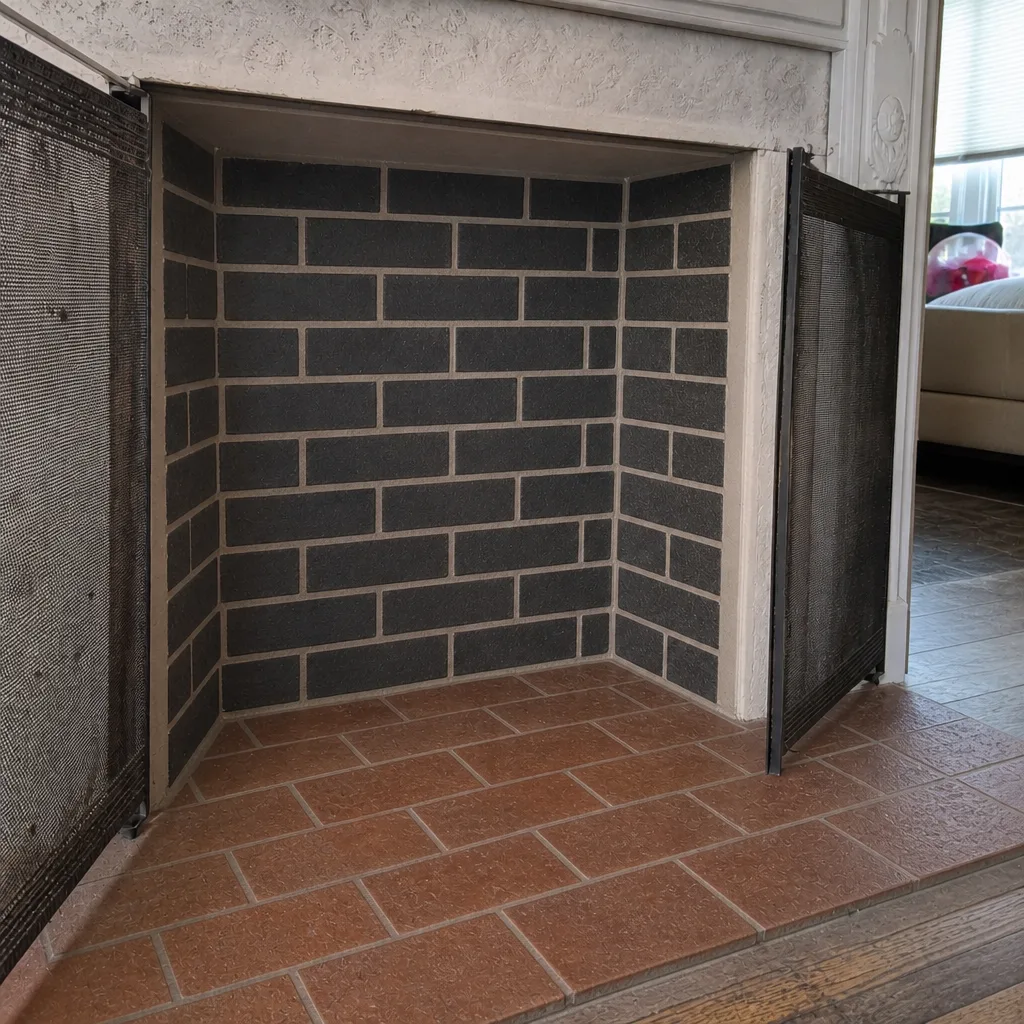 After
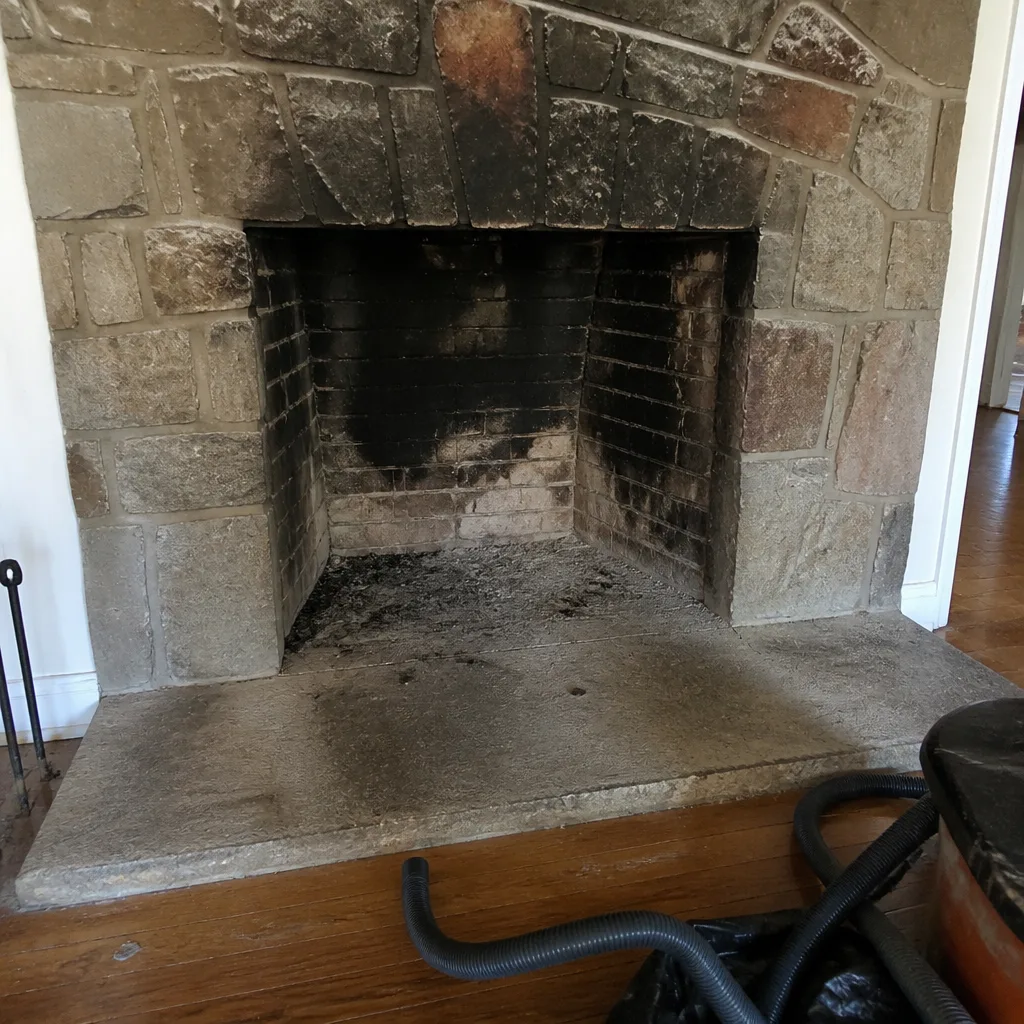 Before
 After
 Before
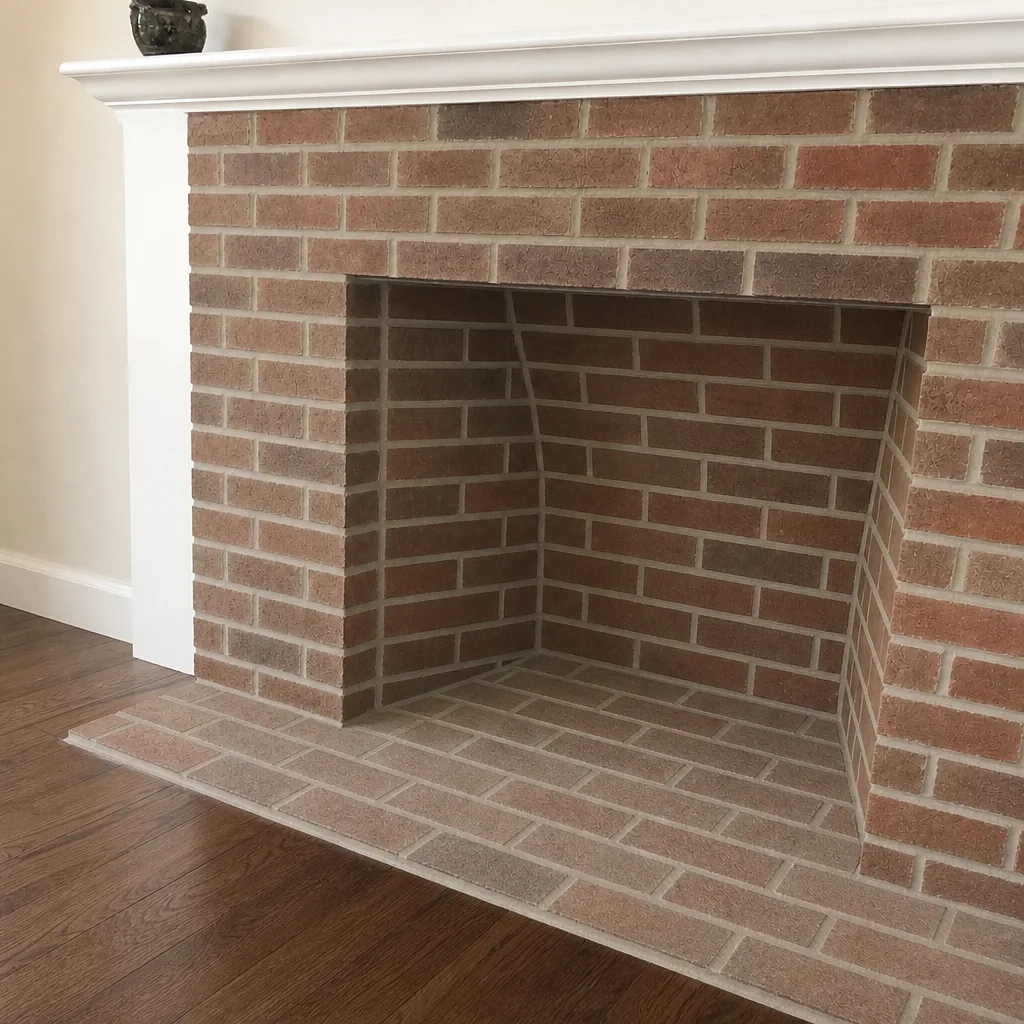 After
When to Call a Professional
A chimney fire, a carbon monoxide alarm, or smoke backing into the room is a call-a-professional-now situation: shut the appliance down, get everyone out of the room, and get the flue looked at before you light another fire. A major creosote buildup, a persistent draft problem, or a visible crack in the chimney exterior should also be assessed before the next burn. When you’re buying or selling a Forest Hills home and the inspection report flags the chimney, a standalone Level 2 inspection with a written photo report protects you on both sides of the transaction. And if your last sweep only swept and left without an inspection, that’s a good reason to have someone look at the whole system. Chimney Sweep Forest Hills offers free estimates in Forest Hills, and our technicians have up to 8 years of experience. Call (855) 410-4917. We answer 24/7. Fast dispatch from 7am to 7pm, Sunday through Friday.
Frequently Asked Questions
A basic chimney sweep in Forest Hills typically costs $150 to $290, and a sweep bundled with a Level 1 inspection usually runs $300 to $600. Liner resurfacing or partial repair moves into the $900 to $2,500 range, and a full relining typically falls between $2,500 and $6,000. The written estimate after an on-site assessment sets the final price. Call (855) 410-4917 for an exact quote. Estimates are free.
Only if a camera inspection shows it’s genuinely failed: cracked tiles, separated joints, or a flue that’s no longer safe for the appliance on it. Many older Forest Hills chimneys can be saved with HeatShield resurfacing, which is a repair rather than a full reline. We never recommend a liner without showing you the footage. Call (855) 410-4917 and ask to see the evidence before you commit.
Most wood-burning chimneys should be swept once a year, and more often if you burn heavily or use unseasoned wood. Gas appliances need less frequent cleaning but still need a yearly visual check. In Forest Hills, the freeze-thaw cycle is a good argument for an annual inspection alongside the sweep. Call (855) 410-4917 to book yours.
Creosote builds up, the risk of a chimney fire climbs, and small problems like a cracked crown or a degraded liner get worse quietly over a winter. A skipped inspection also means a hidden issue went undetected one more year. The cost of a sweep is small next to a structural chimney repair. Call (855) 410-4917 for a free estimate.
You can, but it means a second visit, a second quote, and often a second opinion about what’s actually wrong. A full-system contractor covers sweeping, inspection, cap and crown, structural repair, and fireplace repair in one place. One company, one call, one written estimate. Call (855) 410-4917.
Not always, but it’s often the quote that skipped the inspection, the camera, or the professional-grade materials. A quote built on HeatShield, DuraFlex, Olympia Chimney, Gelco, or Famco products looks higher than a generic match, but the lifespan of the work is different. Ask what’s included before you compare on price. Call (855) 410-4917 for a free estimate.
The Bottom Line
Chimney cleaning costs in Forest Hills in 2026 run from $150 for a basic sweep into the thousands when a failing liner or crown turns up. The number that matters most is the one on a written, itemized estimate after a real inspection, not the one on a promotional flyer. Get the camera footage, get the photo report, ask what’s deferred and what’s urgent, and compare scope before you compare price. A contractor who can sweep, inspect, repair, and reline under one company, with professional-grade materials behind the work, will save you a second call and, usually, a surprise. Your inspection report tells you exactly what your chimney needs and what it doesn’t. If you want a plain, honest assessment of your chimney this season, that’s what we do. Call (855) 410-4917 for a free estimate. We answer 24/7. Fast dispatch from 7am to 7pm, Sunday through Friday. Or start at Chimney Sweep Forest Hills to see how we work the whole system, from cap to firebox.
Written by the team at Chimney Sweep Forest Hills.