
Last updated November 22, 2026
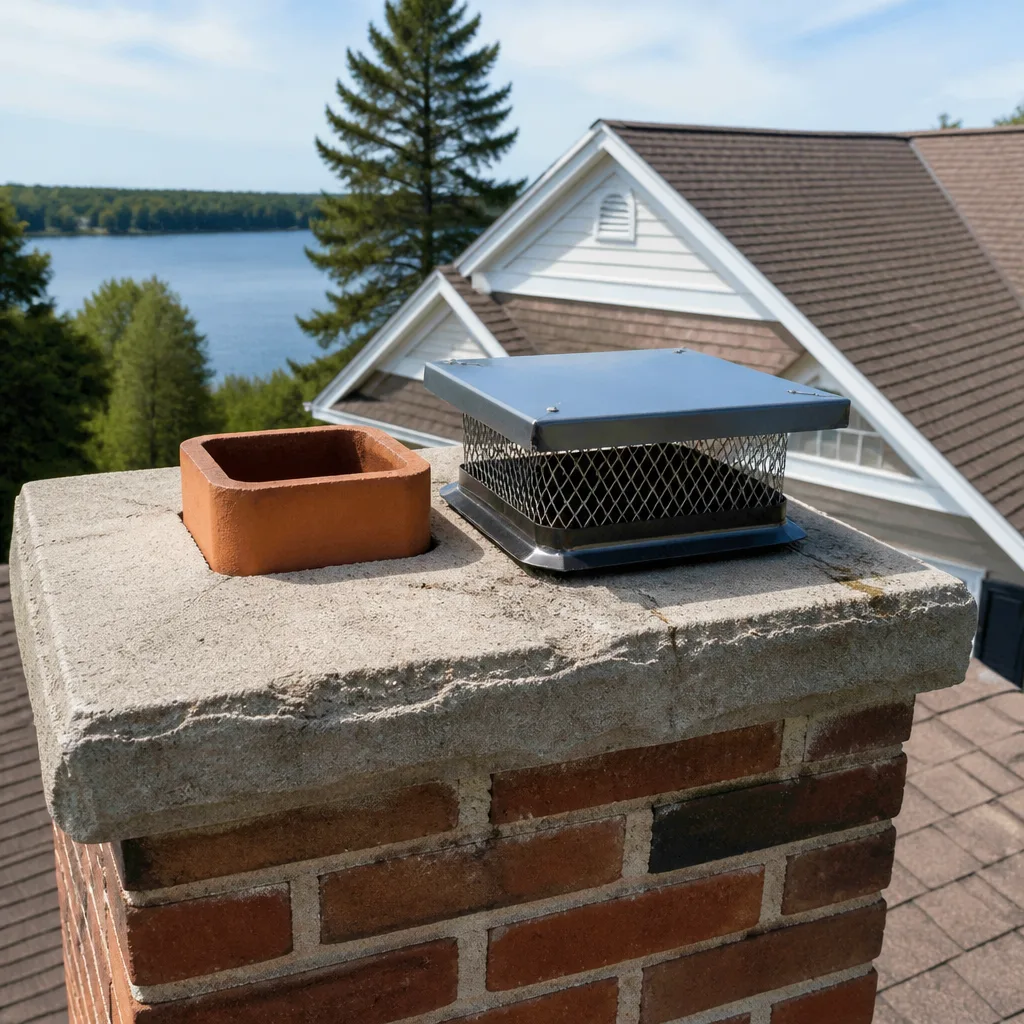 Sweep & inspection
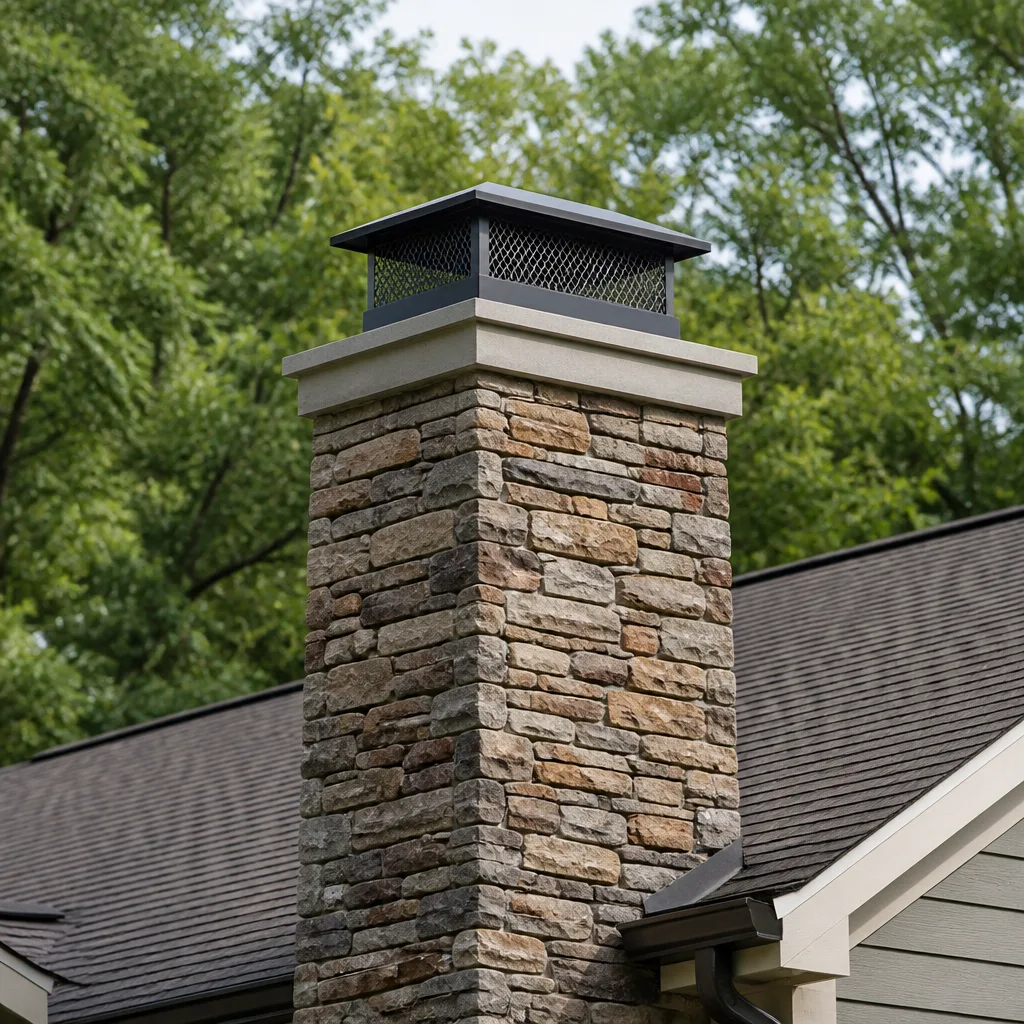 Caps & crowns
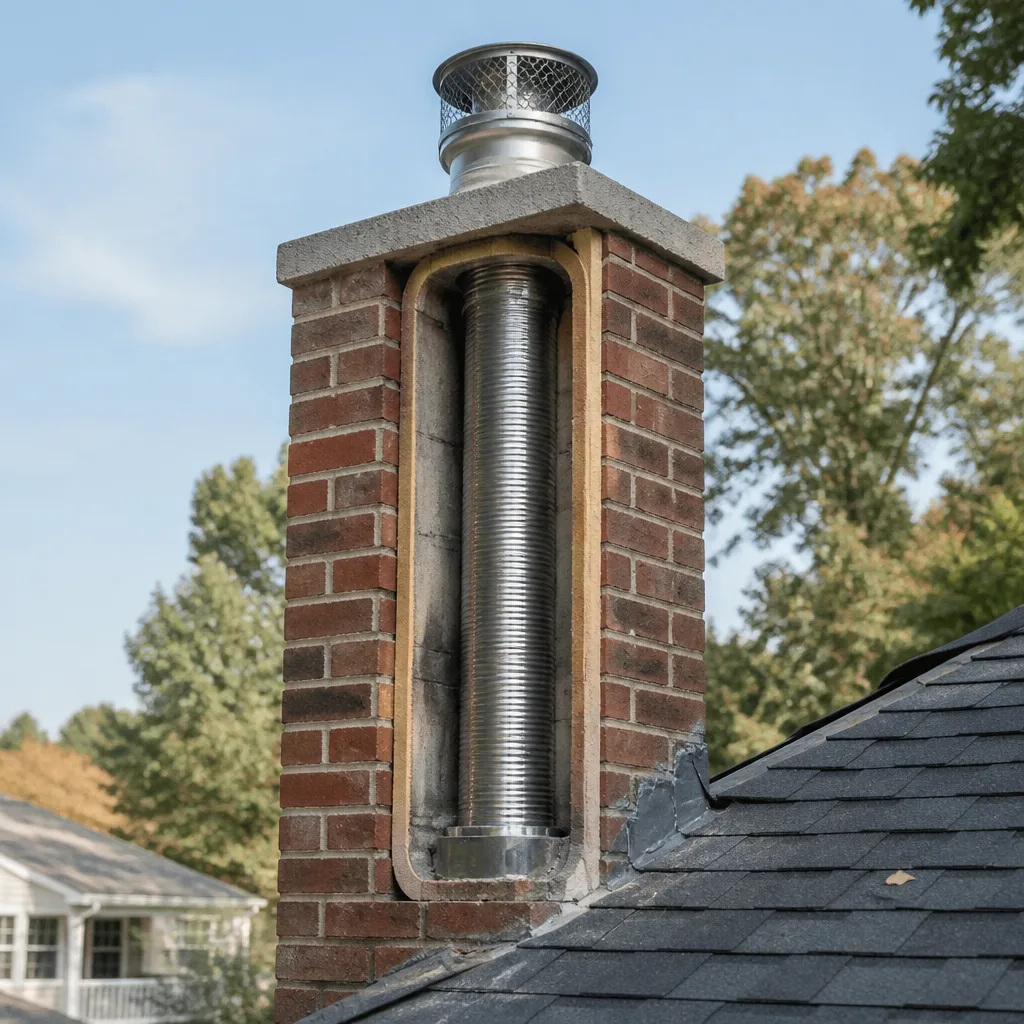 Flue relining
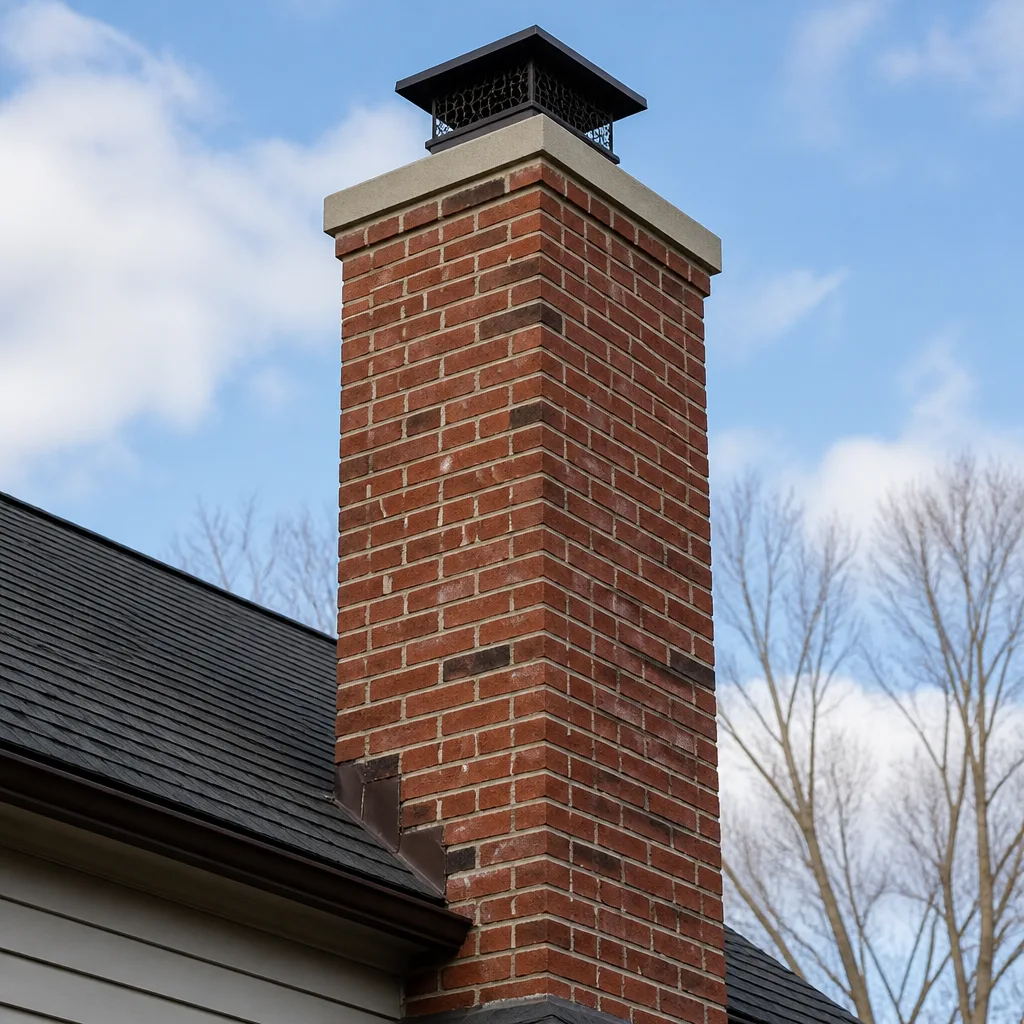 Masonry repair
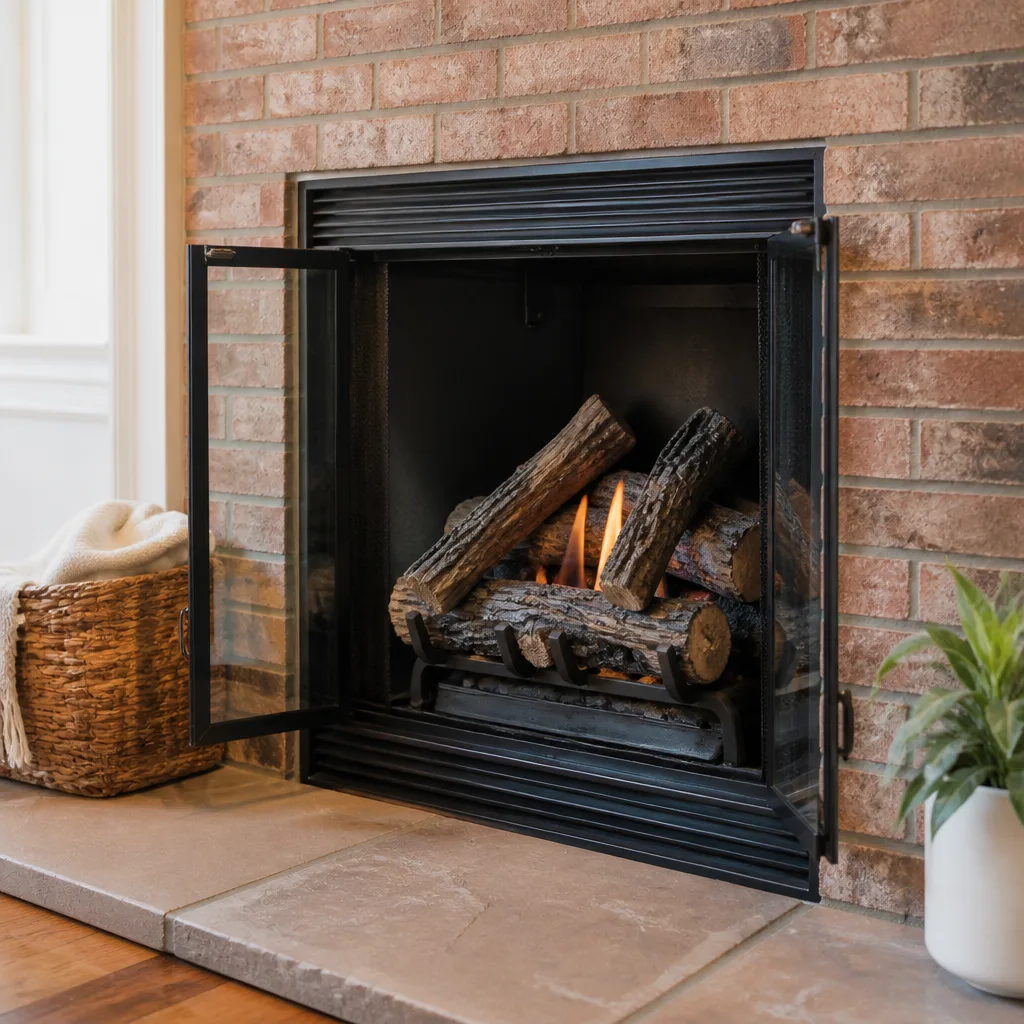 Gas fireplace service
Level 1 sweep and inspection to the NFPA 211 annual standard - flue, crown, cap, and flashing checked and photographed
Chimney sweep logs do not sweep chimneys. They loosen some creosote - which then falls where a brush and vacuum still have to collect it.
Chimney Cleaning Permits, Codes & Inspections in Forest Hills, NY: What You Need to Know
Replacing a chimney liner in New York City without a permit isn’t only a code violation. It leaves a gap in your home’s official record that can stall a sale, complicate an insurance claim, or surface at the worst possible moment during a co-op board review. Here in Forest Hills, where a large share of the housing stock dates to the mid-twentieth century and many flues have been modified at least once, the paper trail matters as much as the masonry. This guide explains how the NYC Department of Buildings separates routine maintenance from structural alteration, where liner work actually falls, how FDNY requirements sit alongside DOB filings, and what a Certificate of Compliance really documents. You’ll finish knowing which chimney jobs need a permit and which don’t.
Quick Answer
In Forest Hills and across New York City, routine chimney cleaning and most ordinary maintenance do not require a DOB permit. Replacing a liner, rebuilding a chimney above the roofline, or making structural changes to the flue or firebox generally does, and the finished work should be supported by documentation such as a Certificate of Compliance. Co-op and condo buildings add their own approval layer on top of city requirements.
Styles & brands we work with
- Sweep & inspection
- Caps & crowns
- Flue relining
- Masonry repair
- Gas fireplace service
Table of Contents
- Maintenance vs. Alteration: How NYC Draws the Line
- Does a Liner Replacement Need a Permit in Forest Hills?
- How FDNY Requirements Interact With DOB Filings
- What a Certificate of Compliance Actually Documents
- Co-op and Condo Board Rules in Forest Hills Buildings
- NFPA 211: The Standard Inspectors Reference
- Inspection Levels and What Each One Covers
- Keeping Records That Protect You at Resale
Maintenance vs. Alteration: How NYC Draws the Line
New York City’s building code separates work that keeps a chimney in its existing condition from work that changes it. That distinction decides whether a permit is required, and it’s the single most misunderstood part of chimney regulation among Forest Hills homeowners.
Ordinary maintenance means cleaning, removing creosote and soot, replacing a cap or a crown, repointing a small area of mortar, and similar upkeep that returns the system to how it already was. This work is done without a DOB permit. It’s the everyday chimney sweep territory: brush, vacuum, camera, report.
An alteration means the chimney’s structure, function or dimensions change. That covers a new liner, a flue resized for a different appliance, a chimney rebuilt past a certain scope, or a firebox reconstructed. Alterations generally require a permit and inspection, and the work has to meet the technical standard the code references.
A useful way to think about it: if the job changes what the chimney is, it’s an alteration. If it restores what the chimney already was, it’s maintenance. A crown repair that patches a crack back to its original profile is maintenance. Cutting into the flue to install a new stainless liner changes the system and falls on the alteration side.
We’ve seen the permit question matter most at two moments: when a Forest Hills home goes on the market and the buyer’s attorney asks for documentation, and when an insurer reviews a claim tied to a chimney fire or water intrusion. Unpermitted liner work doesn’t always get caught at the time. It gets caught later, when the paper trail is thin and the buyer’s inspector flags it.
One practical note for older houses in Forest Hills, particularly the Tudors and colonials near the Gardens: a flue that was relined decades ago may have no paperwork on file at all. That doesn’t automatically mean it was done wrong. It does mean the current owner should have it inspected and documented before any sale or major repair, so the condition is recorded from that point forward.
Does a Liner Replacement Need a Permit in Forest Hills?
In most cases, yes. A full liner replacement changes the flue itself, which puts it on the alteration side of the DOB line, and alteration work generally requires a permit along with inspection of the finished job. A HeatShield resurfacing of existing flue tile is a different animal from cutting in a new stainless liner, but both change the flue’s condition, so the safest approach is to ask your contractor to confirm the filing requirement before work begins.
Here’s how a liner job typically unfolds when a permit is involved:
- Inspection and diagnosis. A camera inspection establishes what’s wrong with the existing flue and what the code-compliant fix is. This is where a standalone inspection report earns its keep.
- Scope and filing. The contractor defines the work and, where required, files with the DOB before starting.
- Installation. The liner goes in using a professional-grade system such as a DuraFlex or Olympia Chimney flexible liner, sized to the appliance.
- Inspection of the completed work. The finished installation is checked against the approved scope.
- Documentation. You receive the paperwork that records what was done, which becomes part of your home’s file.
The reason this matters in Forest Hills specifically is the age of the housing. Many flues here were built for coal or oil and later converted to wood or gas. A converted appliance often needs a liner sized to the new fuel, and that sizing is exactly the kind of change that requires a permit and a documented installation. Skipping the step doesn’t make the liner work worse, but it does mean the work exists only in the contractor’s memory and your checkbook.
If you’re weighing whether a full replacement or a resurfacing makes more sense, our chimney repair team can talk you through both paths. HeatShield resurfacing can restore deteriorated flue tile without demolition in the right conditions. A flexible liner is the better answer when the flue geometry or appliance needs a new pathway. The right choice depends on what the camera shows, and the report should tell you plainly when one option is off the table.
How FDNY Requirements Interact With DOB Filings
Two city agencies touch wood-burning appliances, and they don’t do the same job. The DOB regulates construction and alteration, including permits and inspections for chimney and flue work. The FDNY regulates fire safety and enforces requirements around solid-fuel appliances and their venting. In practice, a Forest Hills homeowner may end up dealing with both, and the two sets of requirements should line up.
Where this gets confusing is the overlap. A wood stove or a wood-burning insert installation can raise questions under both the building code and fire-safety rules. The appliance, the venting and the clearances all have to be correct, and the FDNY’s concern is that the setup won’t create a fire hazard. The DOB’s concern is that the work was built to code and inspected.
What this means for you:
- A wood-burning appliance that was installed without documentation may be fine physically but flagged during a fire-safety review or a resale inspection.
- If you’re converting a fireplace to a wood insert, ask your contractor to explain both the DOB filing requirement and any fire-safety documentation the installation needs.
- Keep the manufacturer’s installation instructions, the liner paperwork, and the inspection report together in one file. When an agency asks, you want one envelope, not a scavenger hunt.
We’ve seen the FDNY side come up most often with older wood-burning setups in Forest Hills where a previous owner added an insert or a stove and left no record. The fix isn’t necessarily expensive. It’s documentation: an inspection that records the current condition and a report that states clearly what, if anything, needs to change to bring the setup into compliance.
What a Certificate of Compliance Actually Documents
A Certificate of Compliance is the city’s record that specific work was performed and found to meet the applicable code. It documents the scope of the job, the address, and that the finished work passed inspection. It is not a warranty on the chimney’s future performance, and it is not a substitute for a chimney inspection report. It’s the paper that proves the work was done, filed and inspected.
When a certificate is required depends on the work itself. Alteration work that required a permit and inspection generally produces one. Routine maintenance and cleaning do not. This is why a homeowner who just had a sweep and a homeowner who just had a liner replaced end up with very different paperwork in hand.
For a Forest Hills seller, the certificate is often the document that answers the buyer’s question before it becomes a negotiation. For a buyer, it’s the evidence that the liner you’re inheriting was installed to code. For an insurer, it’s the record that a chimney fire claim involves a properly maintained system, not an undocumented modification.
A short list of what to collect on any structural chimney job:
- The permit number and the approved scope, if a permit was required.
- The Certificate of Compliance or inspection sign-off.
- The liner or cap product documentation, including brand and specification.
- The contractor’s own inspection report with photos of the finished work.
Our standalone inspection service exists partly for this reason. An inspection that produces a documented report gives you a record of condition at a point in time, whether or not any work follows. In our experience, the report is what homeowners actually reach for when a question comes up two years later.
Co-op and Condo Board Rules in Forest Hills Buildings
If your Forest Hills home is a co-op or condo, city code is only half the approval story. Your building’s board or managing agent has its own rules about alterations, contractor access, insurance certificates and work hours, and those rules can add weeks before any chimney work begins.
Forest Hills has a substantial stock of co-op apartments and multi-unit buildings, and boards tend to be protective of the building’s systems. A chimney or venting alteration that affects a shared flue or the roofline will likely need board approval, an alteration agreement, and proof that the contractor is insured as the building requires. Some buildings restrict which contractors can work on the roof, and some require a deposit against damage to common areas.
Here’s the sequence that avoids the most common delay:
- Ask the managing agent first. Before you hire anyone, find out what the building requires for chimney or venting work.
- Get the alteration or access form. Most boards have a specific form for work that touches building systems or the roof.
- Confirm contractor access rules. Roof access, elevator use, and allowed work hours are often tightly defined.
- Submit documentation with the application. Insurance certificates and the contractor’s license information, where the building asks for them, usually have to be on file before work starts.
The mistake we see is a homeowner hiring first and asking the board second. When the approval comes back with conditions, the schedule resets. Ask first, and the work proceeds without a second round of paperwork.
NFPA 211: The Standard Inspectors Reference
NFPA 211 is the national standard for chimneys, fireplaces, vents and solid-fuel-burning appliances. Inspectors and contractors reference it because it sets the technical baseline: clearances, construction requirements, inspection levels, and conditions that make a chimney unsafe to use. City code and NFPA 211 aren’t in conflict. The code points to standards like this one for the technical detail.
Homeowners don’t need to read the standard cover to cover. It helps to understand what it does for you. When an inspector says a flue has “level 2 conditions” or that the crown has failed, those judgments trace back to criteria in NFPA 211. The standard is what separates an opinion from an assessment.
The parts that come up most in Forest Hills:
- Clearances to combustibles. An appliance installed too close to framing is a hazard regardless of how well the flue drafts.
- Liner requirements. A flue serving a given appliance must be sized and lined appropriately, which is why converted appliances so often need a new liner.
- Inspection levels. Level 1, 2 and 3 correspond to different scopes, and the level chosen should match the situation.
- Unsafe conditions. The standard defines what makes a chimney unfit for use, which is the language an inspector uses when recommending you stop burning.
When we quote a repair, the recommendation is grounded in this standard, not in a sales script. Your inspection report should cite the condition, the relevant requirement, and the fix. If a report only says “needs work” with no reference to what’s wrong and why, ask for specifics.
Inspection Levels and What Each One Covers
Inspection scope isn’t one-size-fits-all. NFPA 211 defines three levels, and the right one depends on what changed or what you’re trying to learn. Getting this right saves you from paying for a level 3 teardown you didn’t need, or accepting a level 1 look that misses the problem.
Level 1 covers the readily accessible portions of the chimney and appliance, with the chimney in its normal service condition. It’s the standard check that accompanies a routine sweep, and it’s appropriate when the appliance hasn’t changed and there’s no known problem.
Level 2 goes further, including accessible areas of the chimney and venting and, where needed, a camera scan of the flue. It’s the right level after an appliance change, a flue conversion, a chimney fire, a building sale, or any event that could have affected the flue’s condition. For most Forest Hills home sales, this is the inspection a buyer’s attorney will want to see.
Level 3 is the most involved and is used when a specific hazard is suspected and the areas in question aren’t otherwise accessible. It can involve opening walls or removing parts of the chimney to reach the problem area, so it’s reserved for cases where the evidence points to a concealed defect.
How to choose:
- Routine annual service, no changes? Level 1 alongside your sweep.
- Buying or selling a Forest Hills home? Level 2, with a written report and photos.
- Added an insert or changed fuel? Level 2 at minimum.
- Suspect a hidden defect the camera can’t reach? Level 3, after a level 2 has flagged the area.
We treat inspection as its own service, not a line item tacked onto a sweep invoice. The report tells you exactly what your chimney needs and what it doesn’t, which is the document you keep. If you need cap or crown work identified during that inspection, our chimney cap & crown service covers both at the same visit.
Keeping Records That Protect You at Resale
Chimney paperwork is quiet most of the time and then suddenly important. The best practice is simple: keep one file for the chimney the way you keep one for the roof or the boiler, and add to it every time work is done.
What belongs in the file:
- Every inspection report, with the date and the level of inspection noted.
- Every permit and Certificate of Compliance for alteration work.
- Product documentation for any liner, cap or component installed, including the brand and model.
- Photos of the work before and after, which the contractor should provide with the report.
- Sweep records, even though cleaning doesn’t produce a certificate.
The resale value here is practical, not theoretical. A Forest Hills buyer’s inspector will flag a chimney that has no documented history, and the buyer’s attorney will ask for paperwork. A file that answers those questions in one pass keeps the deal moving. A missing file turns a routine question into a contingency.
The same file helps with insurance. If a claim ever arises from a chimney fire or water damage, the insurer will want to know the chimney was maintained and the work was documented. The report and the certificate are proof of both.
Common Mistakes to Avoid
- Assuming cleaning and repair need the same paperwork. A sweep needs no permit; a liner replacement generally does. Confusing the two leads homeowners to skip a filing they actually needed.
- Hiring a liner contractor without asking about permits. Ask directly whether the job requires a DOB filing, and get the answer in writing before work starts. If the contractor dodges the question, that’s information.
- Ignoring the co-op or condo board. City approval doesn’t cover building approval. In a Forest Hills co-op, the board’s alteration agreement can stop work that the DOB would have allowed. Ask the managing agent before you hire.
- Throwing away the inspection report. The report is the most useful document you’ll have at resale. Keep it with the permit and certificate, not in a drawer that gets cleared out.
- Treating a sweep as a full inspection. A sweep cleans; an inspection assesses. If you’re buying or selling, you want a documented inspection, not just a cleaning receipt.
- Letting a contractor skip the standard. Recommendations should trace to NFPA 211 conditions, not to what’s convenient to sell. Ask what condition the report cites and why the fix follows.
- Waiting until the sale to look for records. Chasing paperwork mid-transaction is stressful and slows the deal. Build the file as work happens.
See the difference
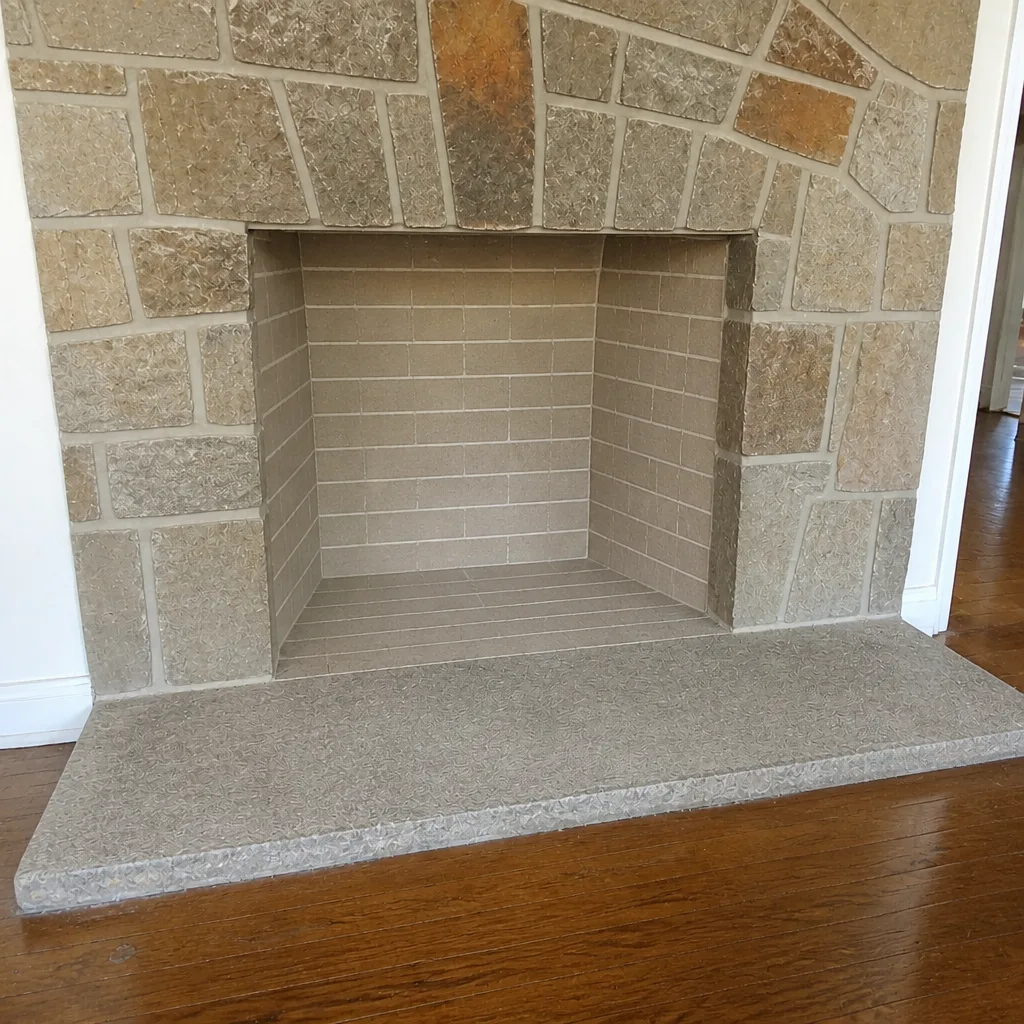
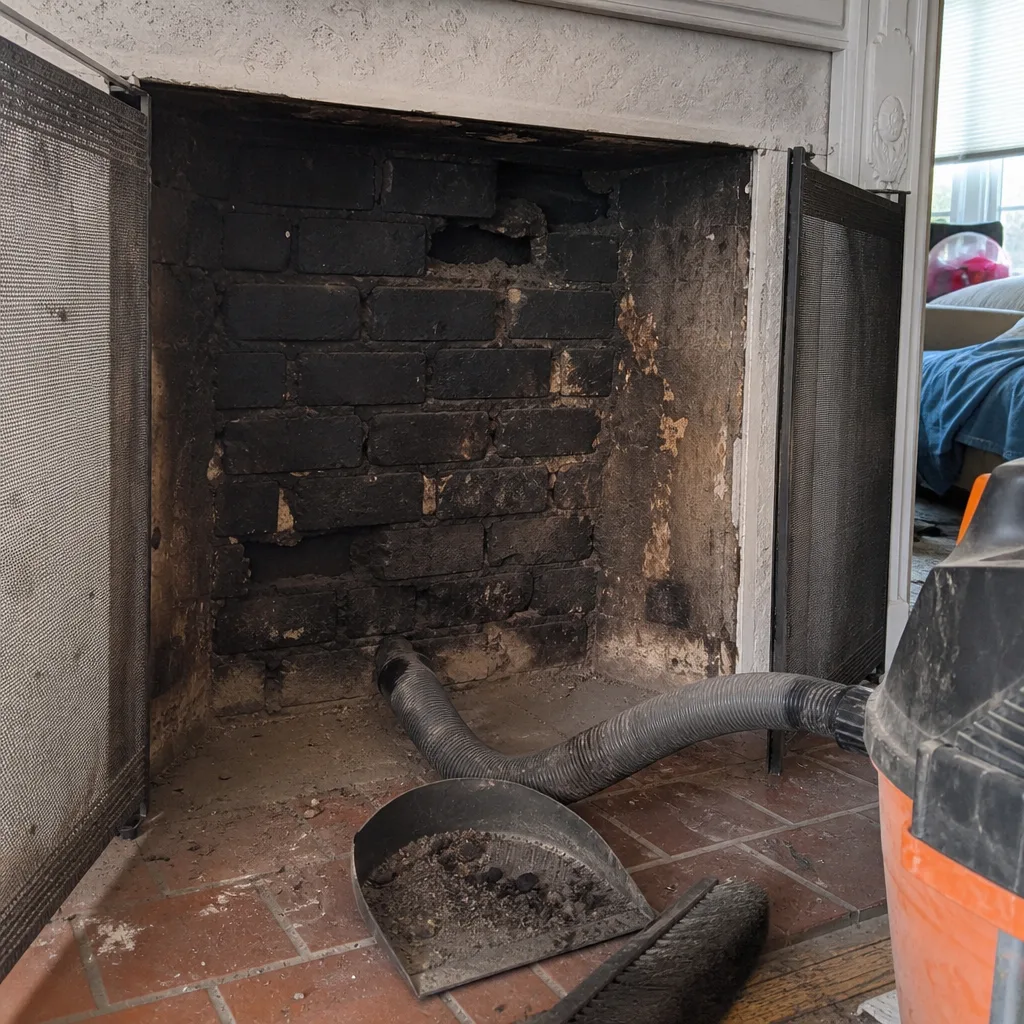 Before
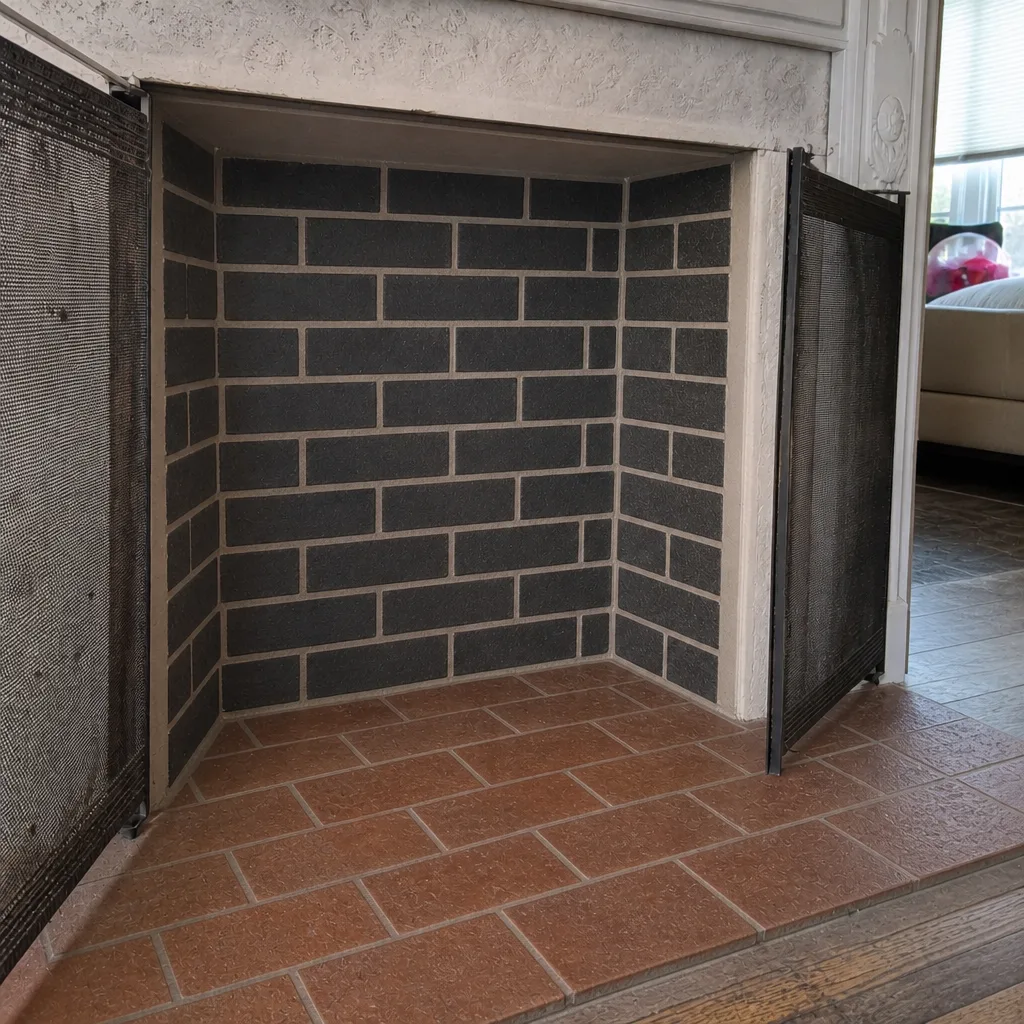 After
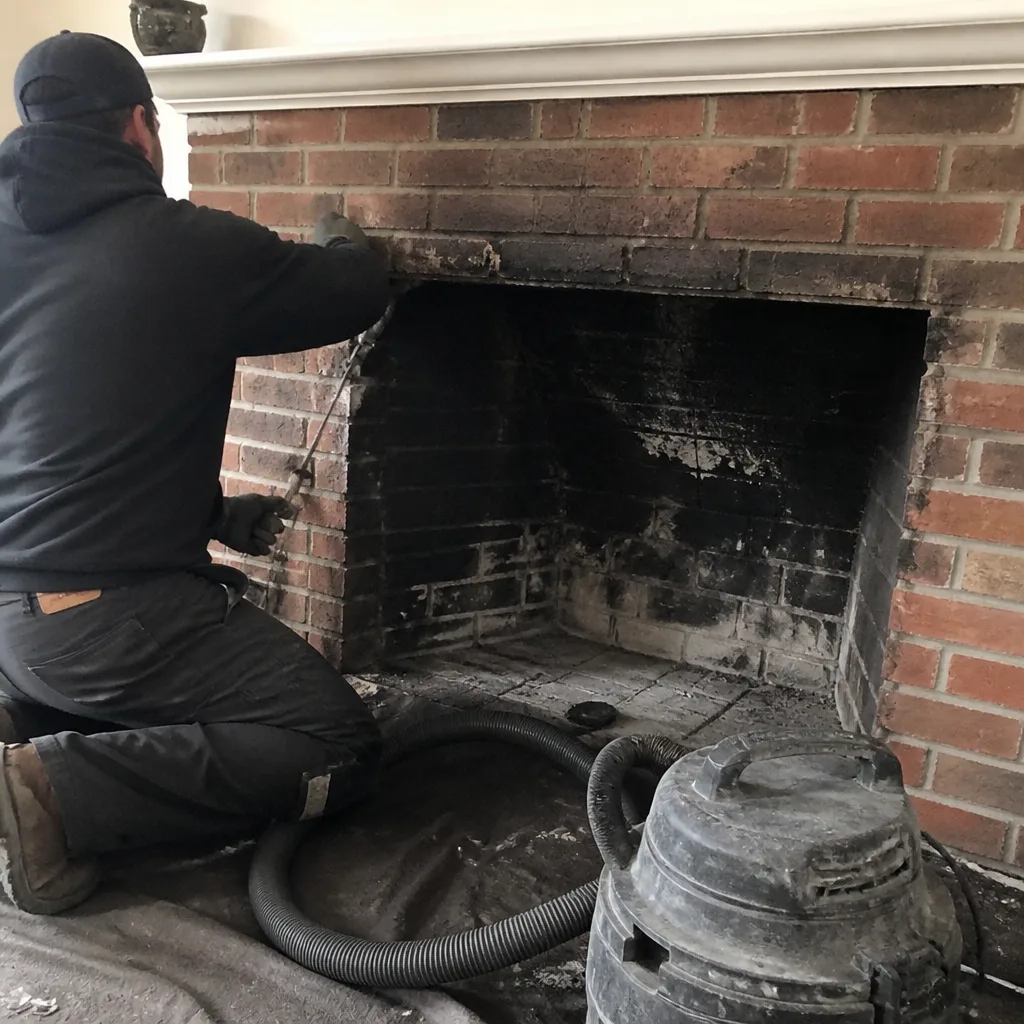
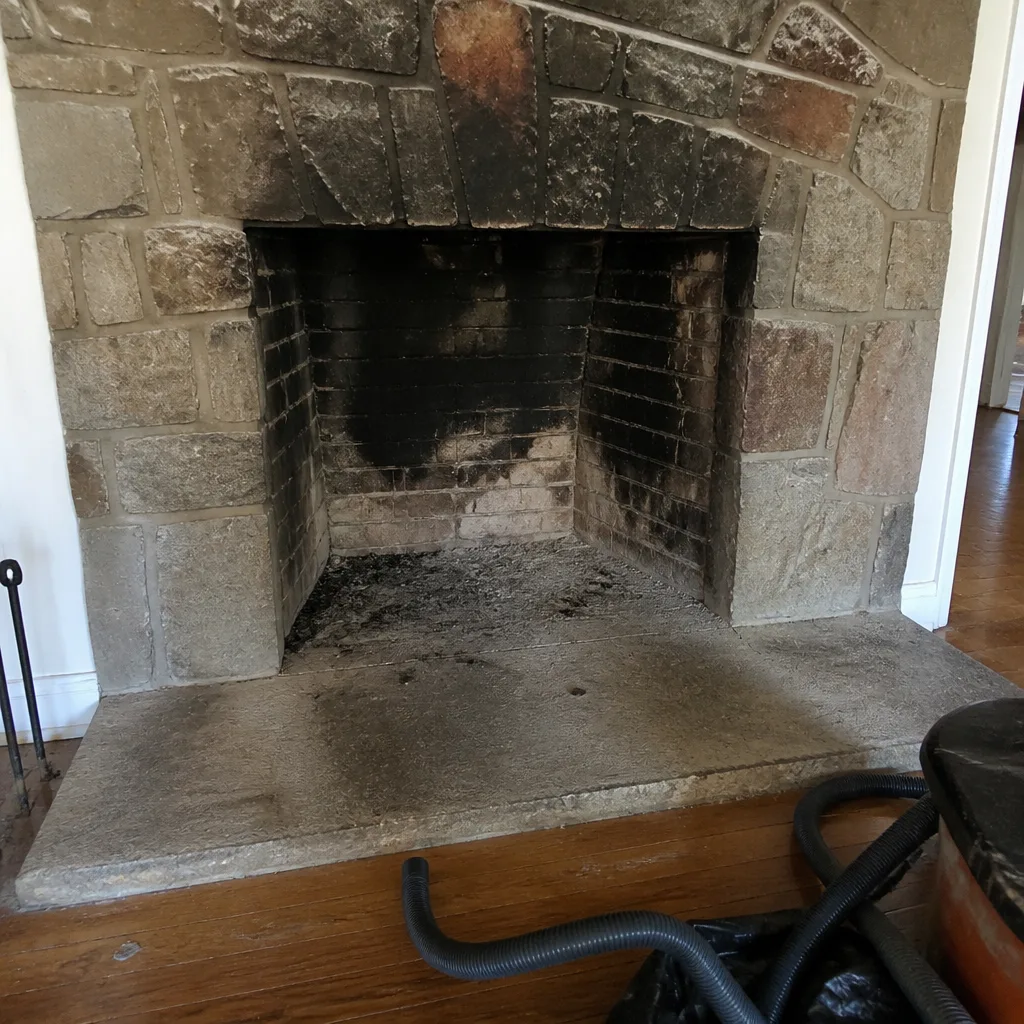 Before
 After
 Before
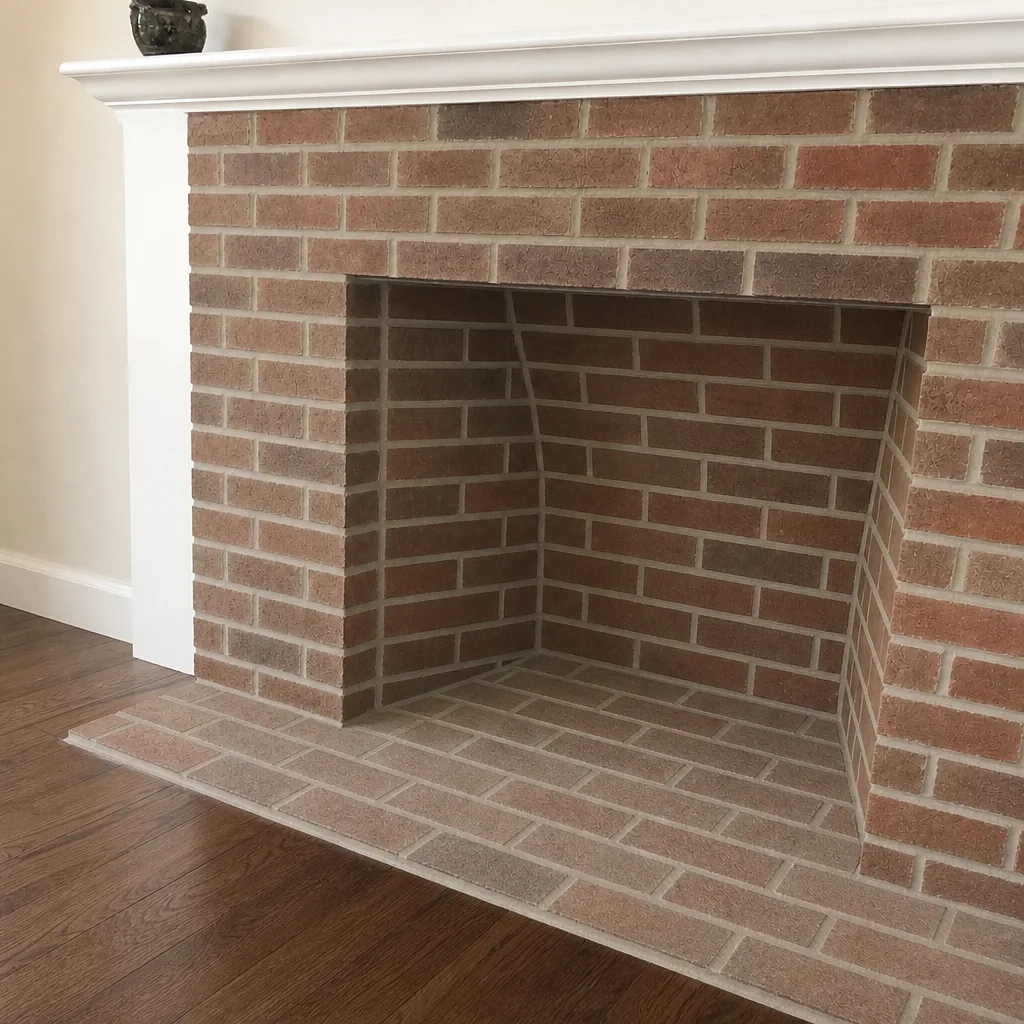 After
When to Call a Professional
Some chimney questions are answerable from the couch. Others need a trained eye and a camera. Call a professional when you’re buying or selling a Forest Hills home and need a documented inspection, when you’ve changed appliances or fuel and aren’t sure the flue is sized correctly, when you’ve had a chimney fire or a creosote buildup you can’t fully clean, or when you see water stains, crumbling mortar, or a crown that’s cracked or missing. Call before you book a liner job so the permit question gets answered up front, and call before a co-op board review if the work touches shared venting or the roof. If the chimney hasn’t been inspected in years, that’s reason enough on its own. Chimney Sweep Forest Hills offers free estimates in Forest Hills. Call (855) 410-4917. We answer 24/7. Fast dispatch from 7am to 7pm, Sunday through Friday.
Frequently Asked Questions
No. Routine chimney cleaning and ordinary maintenance in Forest Hills and across New York City do not require a DOB permit. Cleaning returns the chimney to its existing condition, which is maintenance. The permit question comes up when the work changes the flue, such as a liner replacement or a structural repair. If you’re unsure which side of the line your job falls on, ask your contractor and get the answer in writing. Call (855) 410-4917 for an exact quote; estimates are free.
In most cases, yes. A liner replacement changes the flue, which generally makes it an alteration requiring a DOB permit and inspection of the completed work. The safest approach is to confirm the filing requirement before work starts, and to keep the permit and Certificate of Compliance with your home’s records. Our technicians have up to 8 years of experience navigating this process with Forest Hills homeowners. Call (855) 410-4917 for an exact quote; estimates are free.
A Certificate of Compliance is the city’s record that specific permitted work was performed and passed inspection. It documents the scope and address, and it proves the work was filed and checked. It is not a warranty and not a substitute for an inspection report, but it is the document a buyer’s attorney or an insurer will want to see. Keep it with your inspection reports and product documentation.
They can. The FDNY regulates fire safety around solid-fuel appliances, while the DOB regulates construction and alteration. A wood stove or insert installation may raise questions under both. The practical answer is to keep the installation instructions, liner paperwork and inspection report together, so you can answer either agency’s questions from one file. Call (855) 410-4917 for an exact quote; estimates are free.
Usually, yes, if the work touches shared venting or the roofline. City code doesn’t cover building rules, and a co-op or condo board’s alteration agreement can add requirements for insurance certificates, contractor access, work hours, and deposits. Ask the managing agent what the building requires before you hire a contractor, not after. It’s the single step that prevents the most delay.
Inspectors reference NFPA 211, the national standard for chimneys, fireplaces, vents and solid-fuel appliances. It sets the technical baseline for clearances, liner requirements and inspection levels, and city code points to standards like it for the technical detail. When a report cites a condition, that citation usually traces back to NFPA 211. If a recommendation doesn’t cite anything, ask for specifics.
The Bottom Line
In Forest Hills, the paperwork around chimney work matters as much as the work itself. Routine cleaning needs no permit. Liner replacements and structural alterations generally do, and the finished job should leave you with a Certificate of Compliance and a documented inspection report. FDNY fire-safety requirements sit alongside DOB filings for wood-burning appliances, and co-op or condo boards add their own approval layer before any contractor starts. NFPA 211 is the standard the whole system is measured against. Keep one file for the chimney, add to it every time work is done, and the next sale or insurance question won’t catch you empty-handed. If you’re not sure what your chimney needs, start with an inspection. Call (855) 410-4917. We answer 24/7. Fast dispatch from 7am to 7pm, Sunday through Friday.
Written by the team at Chimney Sweep Forest Hills.