
Last updated November 22, 2026
 Sweep & inspection
 Caps & crowns
 Flue relining
 Masonry repair
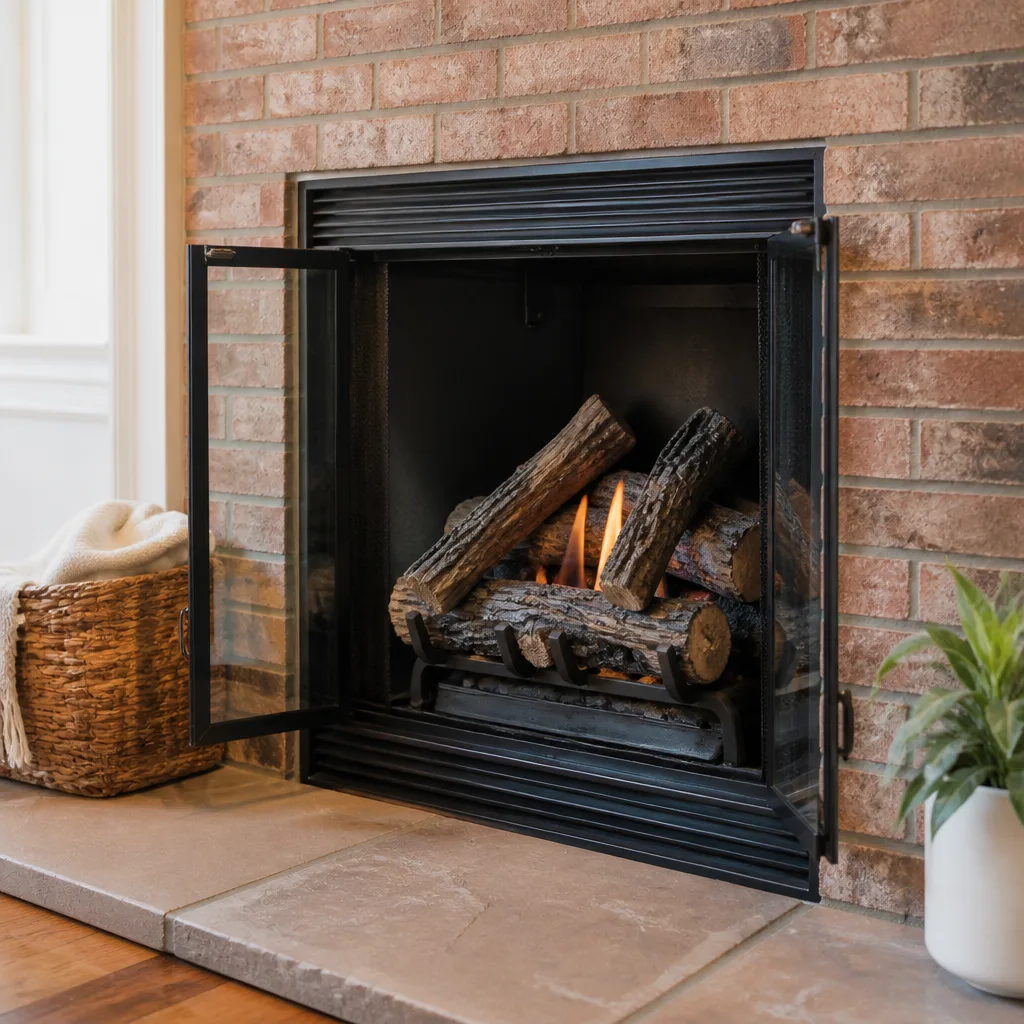 Gas fireplace service
Level 1 sweep and inspection to the NFPA 211 annual standard - flue, crown, cap, and flashing checked and photographed
Chimney sweep logs do not sweep chimneys. They loosen some creosote - which then falls where a brush and vacuum still have to collect it.
Seasonal Chimney Cleaning Care for Forest Hills: Year-Round Homeowner’s Guide
Spring is when Forest Hills chimneys show the most damage, and it’s the season most homeowners skip their chimney entirely. The logic seems to make sense – heating season is over, the fireplace sits cold, so why look at the chimney? But that’s exactly when the evidence of a hard winter is freshest on the masonry, and exactly when a small crack or a spalled brick is still cheap to fix. Wait until October and you’ll be standing in a fall backlog with a problem that’s had six more months to grow. This guide breaks the year into four distinct chimney stress periods, each with its own tasks, and explains what to do in a Forest Hills climate specifically. By the end you’ll have a season-by-season checklist and a simple way to track your chimney’s condition year over year.
Quick Answer
Chimney care in Forest Hills works best on a four-season rhythm, not a single pre-winter sweep. Spring is for inspecting freeze-thaw and water damage, summer is for cap, crown and animal-exclusion work before the fall backlog, fall is for the sweep and inspection before your first fire, and winter is for mid-season creosote checks if you burn heavily. Each season addresses damage the others can’t catch.
Styles & brands we work with
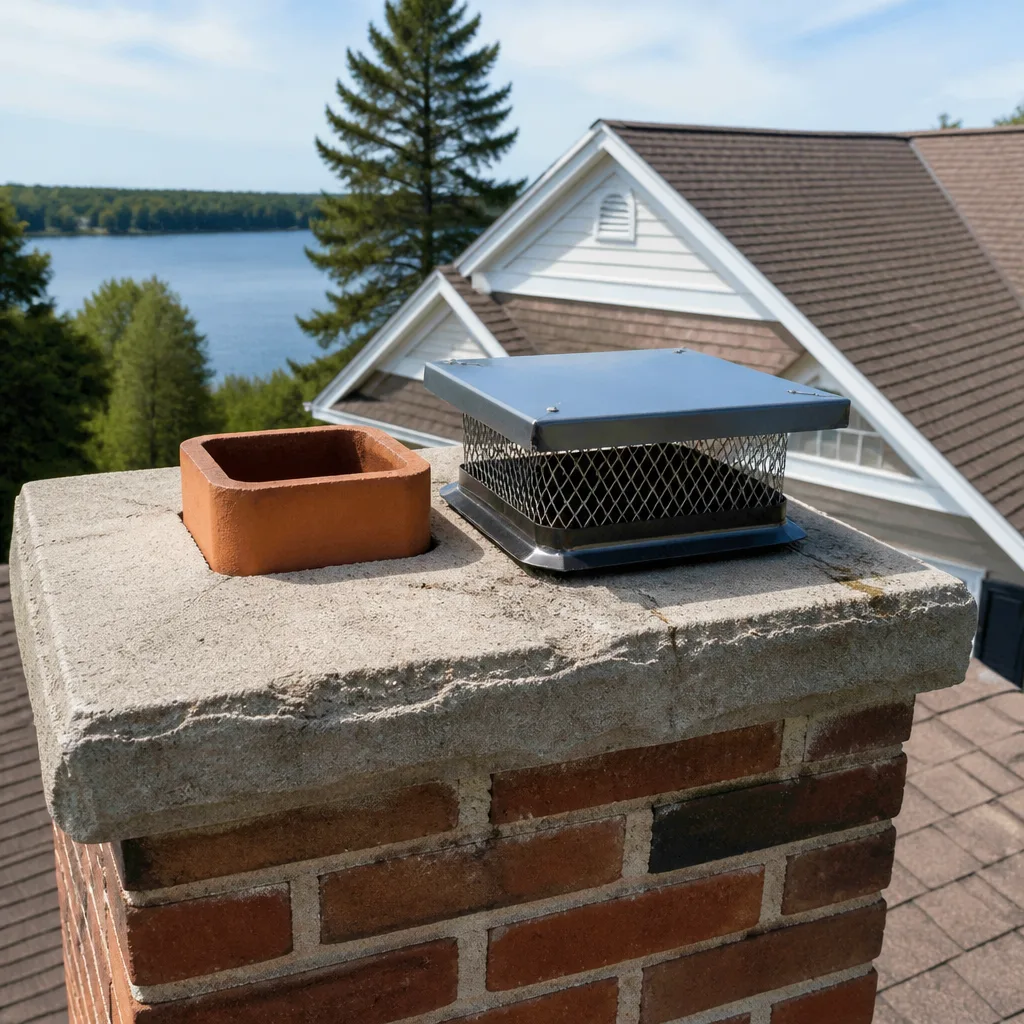
- Sweep & inspection
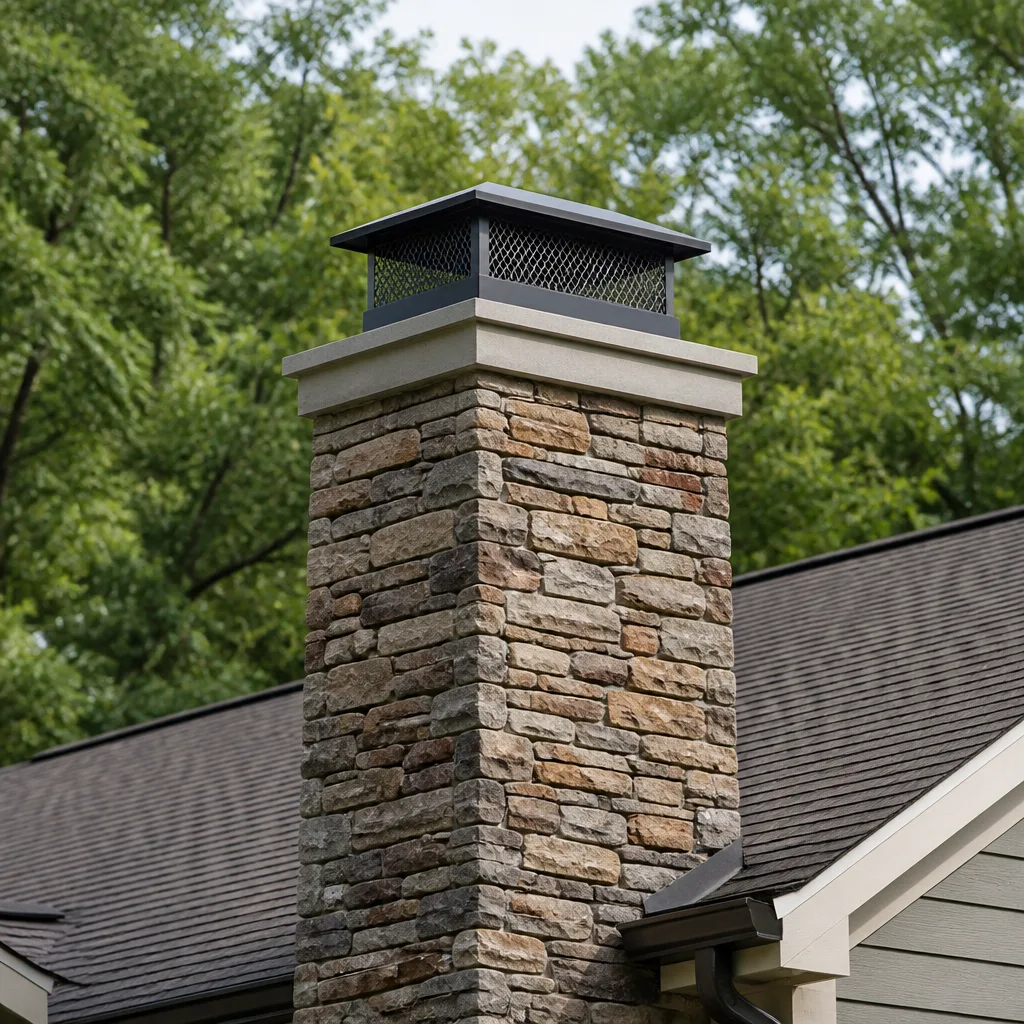
- Caps & crowns
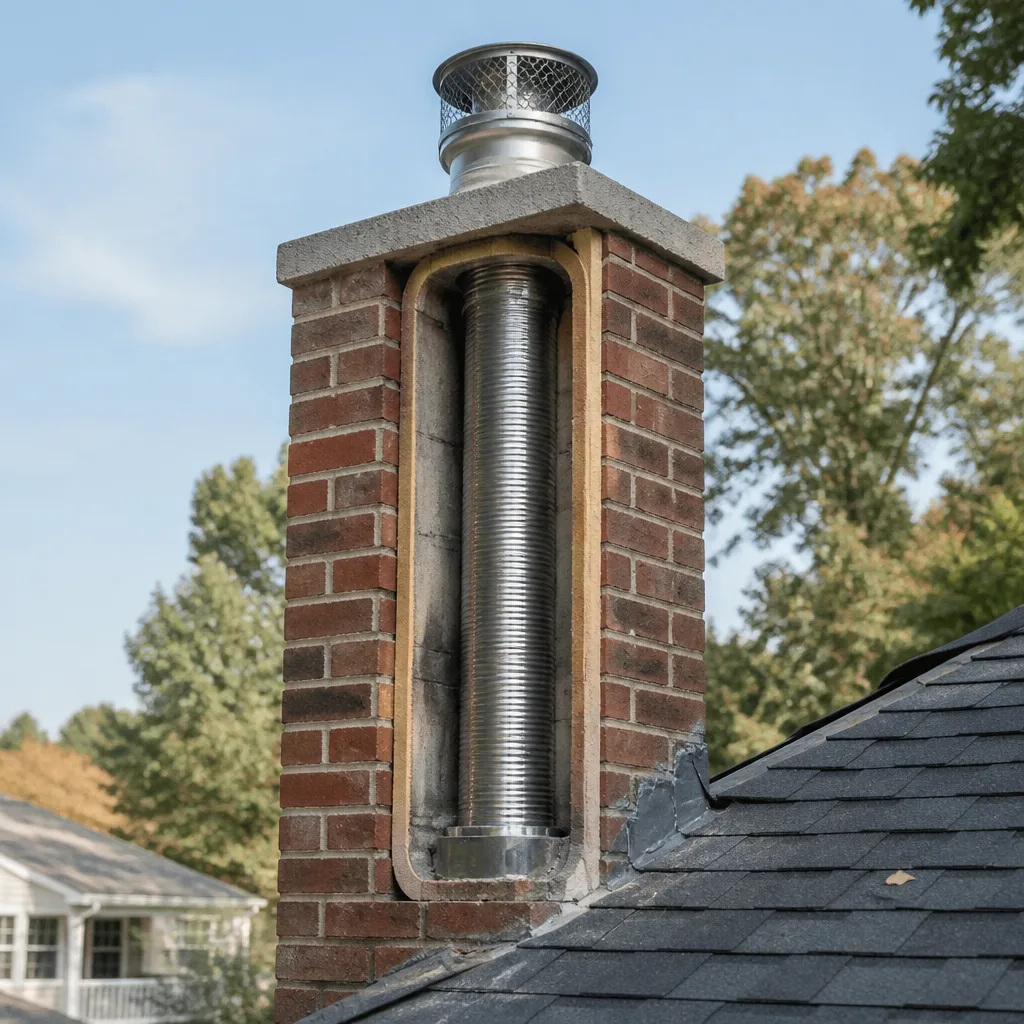
- Flue relining
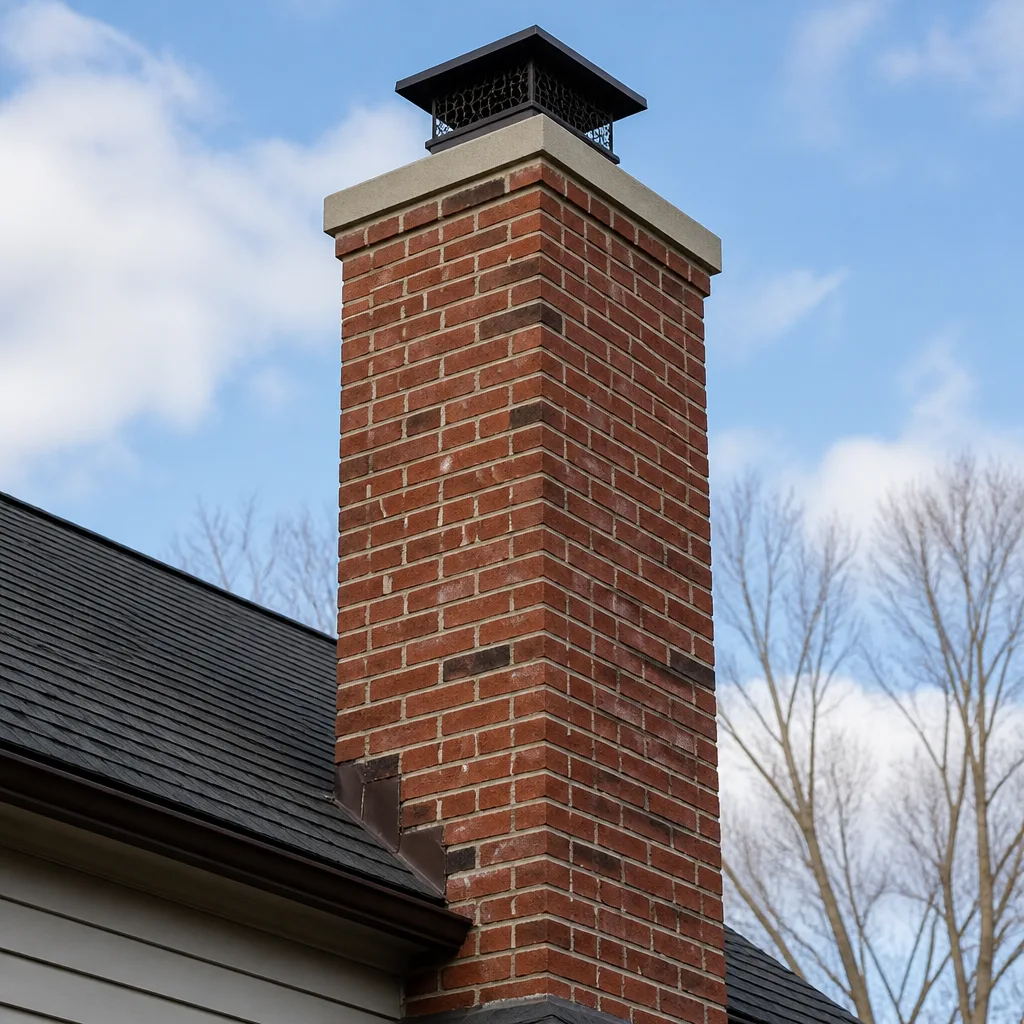
- Masonry repair
- Gas fireplace service
Table of Contents
- Why Forest Hills Chimneys Need Four Seasons of Care, Not One
- Spring: The Post-Heating Inspection Forest Hills Homeowners Skip
- Summer: Cap, Crown and Animal Exclusion Before the Fall Rush
- Fall: The Sweep and Inspection Sequence Before Your First Fire
- Winter: Mid-Season Checks for Heavy Wood-Burners
- How to Track Your Chimney’s Condition Year Over Year
- Common Mistakes to Avoid
- When to Call a Professional
Why Forest Hills Chimneys Need Four Seasons of Care, Not One
Most chimney advice you’ll read online assumes a single cold season. Sweep in autumn, forget it until next autumn. That model works in places where the only thing a chimney faces is a few months of freezing temperatures. Forest Hills doesn’t work that way. The climate here moves through four very different sets of conditions, and each one does something different to masonry, liners and caps.
Think about what a chimney actually endures over a year in Forest Hills. Spring brings repeated freeze-thaw cycles as overnight temperatures swing above and below freezing while daytime air warms. Summer delivers heat and humidity that drive moisture into any crack it can find, plus animals looking for a place to nest. Autumn is when the first fires meet a flue that’s had months to collect debris and moisture. Winter is the working season, when creosote builds inside and freeze-thaw returns outside. A single sweep in October catches the creosote but tells you nothing about the spalling brick that started in March or the crown crack that widened in July.
The result is that damage compounds silently between uses. A hairline crack in the crown lets water in through summer, freezes and widens in the first cold snap, and by the following spring it’s a real repair. Water is the most common cause of chimney deterioration, and in a four-season climate water has four seasons to work. That’s the case for treating chimney care as a calendar, not an event.
There’s a second reason the four-season model matters here: Forest Hills has a lot of older housing stock with masonry chimneys that have been through decades of these cycles. Those chimneys benefit from someone looking at them more than once a year. If you’ve recently bought a home in the neighborhood, a standalone inspection is worth scheduling regardless of season – see how we handle that through our Chimney Sweep Forest Hills service.
Spring: The Post-Heating Inspection Forest Hills Homeowners Skip
Spring is the most valuable chimney inspection window of the year, and it’s the one most homeowners ignore. As the heating season ends and you stop burning, your chimney is carrying the full record of what winter did to it: any spalling begun during freeze-thaw, any efflorescence pushed to the surface by moisture, any cracks that opened in the crown or flashing. Look in spring and you catch these while they’re small and while you have months to schedule a fix before fall.
What the inspection is looking for in a Forest Hills spring:
- Spalling masonry. Bricks that have absorbed water, frozen, and flaked or popped at the face. Once spalling starts, it tends to accelerate, because the newly exposed surface absorbs water more readily.
- Efflorescence. The white, chalky staining on brick and mortar. It’s a symptom of moisture moving through the masonry and evaporating on the surface, so it points to a water path you’ll want traced.
- Water intrusion points. Cracks in the crown, failed flashing where the chimney meets the roof, and gaps around the cap. Any of these lets water into the flue, and in a masonry chimney that moisture combines with creosote and combustion byproducts to attack the liner from the inside.
- Liner condition. The flue liner takes the brunt of the heating season. A spring look at the liner catches cracks and gaps before they become a carbon monoxide concern.
Spring matters as much for what it lets you schedule as for what it finds. A repair identified in April can be planned calmly. The same repair found in October, with the first cold snap coming, is a pressure situation. If spring turns up masonry damage, the fix usually falls under chimney repair, and a slow season is when a job like that is easiest to arrange.
One more spring task worth doing yourself: walk the outside of the chimney from the ground with binoculars and note anything that looks new since last year. You don’t need to get on the roof to spot a missing cap or a visible crack. Just don’t climb up to investigate – more on that below.
Summer: Cap, Crown and Animal Exclusion Before the Fall Rush
Summer is the season to fix the things that let problems in, and it’s the easiest time to book the work. Once September arrives, everybody who ignored their chimney all year calls at the same time. Getting cap and crown work done in summer means you walk into fall with a chimney that’s already sealed, screened, and ready for its first fire.
A chimney cap does two jobs at once: it keeps water out of the flue and it keeps animals out of the chimney. Both matter more than most homeowners realize. An uncapped flue in Forest Hills is an open invitation – birds, squirrels and raccoons all look for sheltered space, and a chimney is a fine substitute for a hollow tree. Once an animal nests in the flue, you’re dealing with a blockage, possible draft problems, and often a sweep to clear it. A cap with proper screening closes that door.
The crown is the concrete or masonry slab at the very top of the chimney, and its job is to shed water away from the flue. When the crown cracks – a common outcome of freeze-thaw – water runs straight toward the flue instead of away from it. Crown repair is one of those fixes that’s modest when caught early and expensive when left. We work with Gelco and Copperfield cap and crown products because a proper cap and a sound crown together address the leading cause of chimney moisture damage and animal intrusion in a single visit.
Summer is also when you want to schedule the fall sweep and inspection, before the calendar fills. Numbered steps to a clean summer:
- Inspect the cap and crown from the ground. Look for a missing cap, damaged screening, or visible cracks in the crown.
- Book the cap and crown work if anything looks off. Summer is when this is easiest to fit in.
- Schedule your fall sweep and inspection now rather than waiting for September.
- If you’re selling or buying a home, book a standalone inspection in summer. Buying and selling happens on its own timeline, and a documented assessment from a summer inspection is ready when you need it.
Cap and crown work is one of the five services we handle, alongside sweeping, inspection, chimney repair and fireplace repair – the whole system under one call. You can read more about how we approach chimney cap & crown work in detail.
Fall: The Sweep and Inspection Sequence Before Your First Fire
Fall is the season everyone associates with chimney care, and it’s the one where sequence matters most. The right order is inspection, then sweep, then a draft test before you light the first fire – not a sweep alone and a hope for the best. Doing it in that order means the inspection sees the flue as your last burn left it, and the sweep clears what the inspection found.
Here’s how a proper fall sequence works:
- Level 1 inspection. A visual assessment of the accessible portions of the chimney, including the firebox, flue and any accessible connections. This is the baseline check that tells you what the sweep and any further work need to cover.
- The sweep. Removal of soot, creosote and any debris from the flue. If the inspection found a blockage – a bird’s nest, a fallen cap fragment – the sweep clears it.
- Draft testing. Before your first fire, confirm the flue actually draws. A blocked or under-drawing flue pushes smoke and carbon monoxide back into the room rather than up and out. Test with a small piece of lit paper or a match near the open damper and watch whether the smoke rises cleanly up the flue. If it doesn’t, call a professional before you burn anything.
- Creosote assessment. The sweep should tell you how much creosote was in the flue and what stage it reached. That number tells you how often to sweep during the season ahead.
After the sweep, the inspection report is your map. It tells you exactly what your chimney needs and what it doesn’t. That’s the point where this whole guide stops being theory and becomes practical: if the report says the liner is sound and the cap is fine, you’re done until spring. If it flags a liner problem, that’s when the conversation about relining happens – and that’s where brand knowledge matters, because HeatShield resurfacing and DuraFlex or Olympia Chimney flexible liner systems let a compromised flue be repaired rather than simply cleaned around.
Winter: Mid-Season Checks for Heavy Wood-Burners
If you burn wood steadily through the winter, your chimney has a working season that deserves a mid-season look. Creosote builds inside the flue as your fires burn, and how fast it builds depends on what you burn and how you burn it. A homeowner who burns a fire most evenings accumulates creosote faster than someone who lights a fire a few times a month. A mid-season check tells you where you stand before the buildup gets heavy.
Creosote moves through stages. It starts as a soot and light flake that a sweep clears easily. With continued burning it can become a glazed, tar-like deposit that’s harder to remove and more likely to ignite. Knowing the stage your flue reaches tells you whether you need a second sweep before the season ends or whether you can wait for spring. If your fall sweep reported heavy creosote, plan on a mid-season check.
What to do after a chimney fire event:
- Stop burning. Don’t light another fire until the chimney has been assessed by a professional. A chimney fire can damage the liner in ways you can’t see from the firebox.
- Watch for signs you may have missed. A loud roar or popping from the flue, puffs of black smoke from the top, or a sudden shower of creosote flakes are signs of a chimney fire that may have gone unnoticed.
- Book an inspection. A chimney fire can crack a liner or warp a metal one. The chimney may look fine and still be unsafe. This is the one scenario where you don’t wait for the next season.
Carbon monoxide is the quiet risk in all of this. A blocked or damaged flue can let carbon monoxide into living space without any visible sign. That’s why the mid-season check and the post-fire inspection matter – they look at the flue you can’t see. Keep a working carbon monoxide alarm on every level of the home as a basic backstop, and never ignore an alarm by opening a window and going back to bed.
Winter also brings freeze-thaw back to the outside of the chimney. If you see new spalling or a crack widening on the exterior, note it for the spring inspection. Don’t wait for it to compound through another summer.
How to Track Your Chimney’s Condition Year Over Year
A chimney’s condition tells a story over years, and a homeowner who keeps simple records can spot a trend before it becomes a repair. The trick is to document the same things each season so you can compare. You don’t need a binder or an app. A phone and a notes file will do.
Build a simple record with these elements:
- Photos of the chimney exterior each spring. The same angle, from the same spot, every year. Compare the crown, the flashing, the brick face and the cap. A crack that’s growing is obvious side by side with last year’s photo.
- Sweep notes. Note the date, who did the sweep, and how much creosote they reported. A trend of increasing creosote over seasons means your burning habits or your wood supply need attention.
- Inspection reports. Keep every inspection report in one place. Most reports note the condition of the liner, crown, cap and flue tile, so a report from this year read next to last year’s tells you what’s new.
- Repair history. When work is done, note what and when. That record matters when you sell the home, and it tells a future technician what’s already been addressed.
Over two or three years, these notes become a genuinely useful picture. You’ll know if your spring inspections keep turning up the same minor spalling or new cracks each time. You’ll know whether your creosote load is stable or climbing. When a technician tells you your chimney needs work, your own record gives you a second source of truth – which is exactly the position you want to be in when you’re weighing a recommendation.
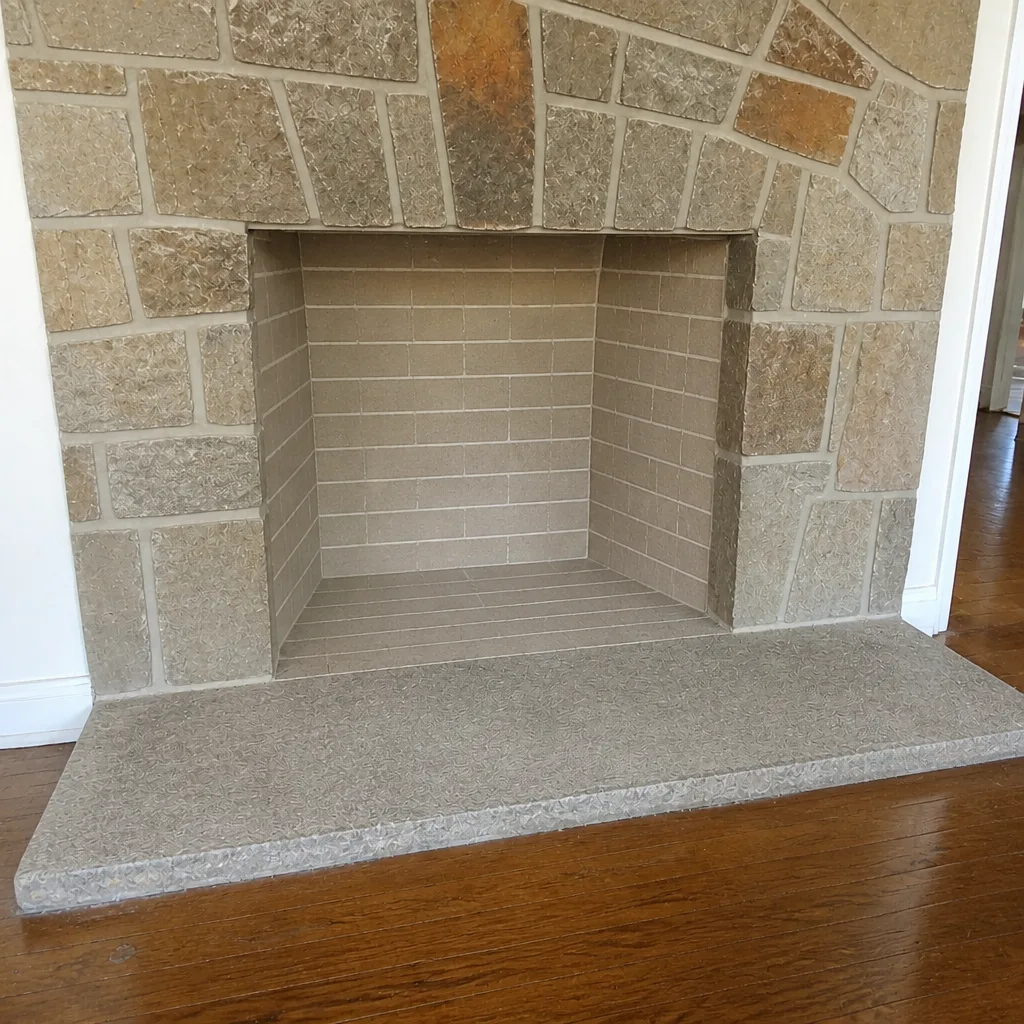
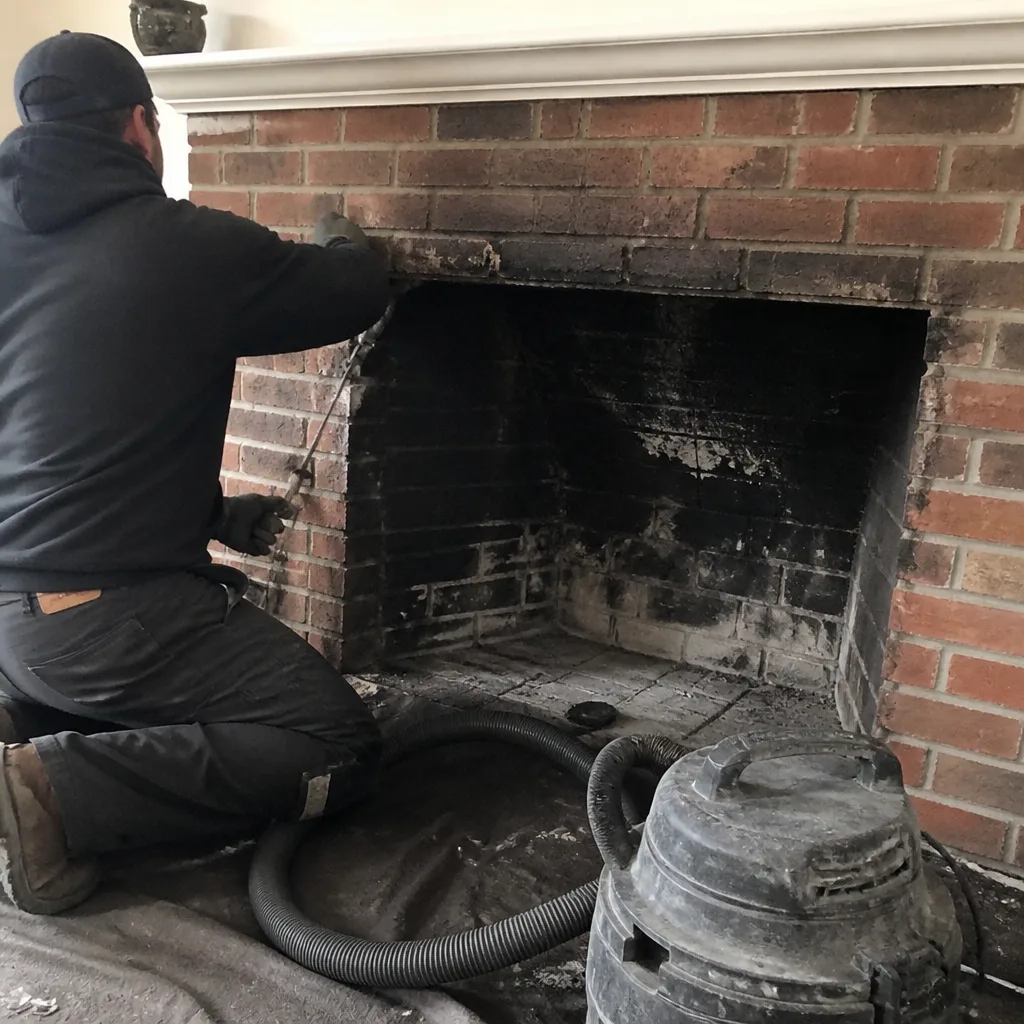
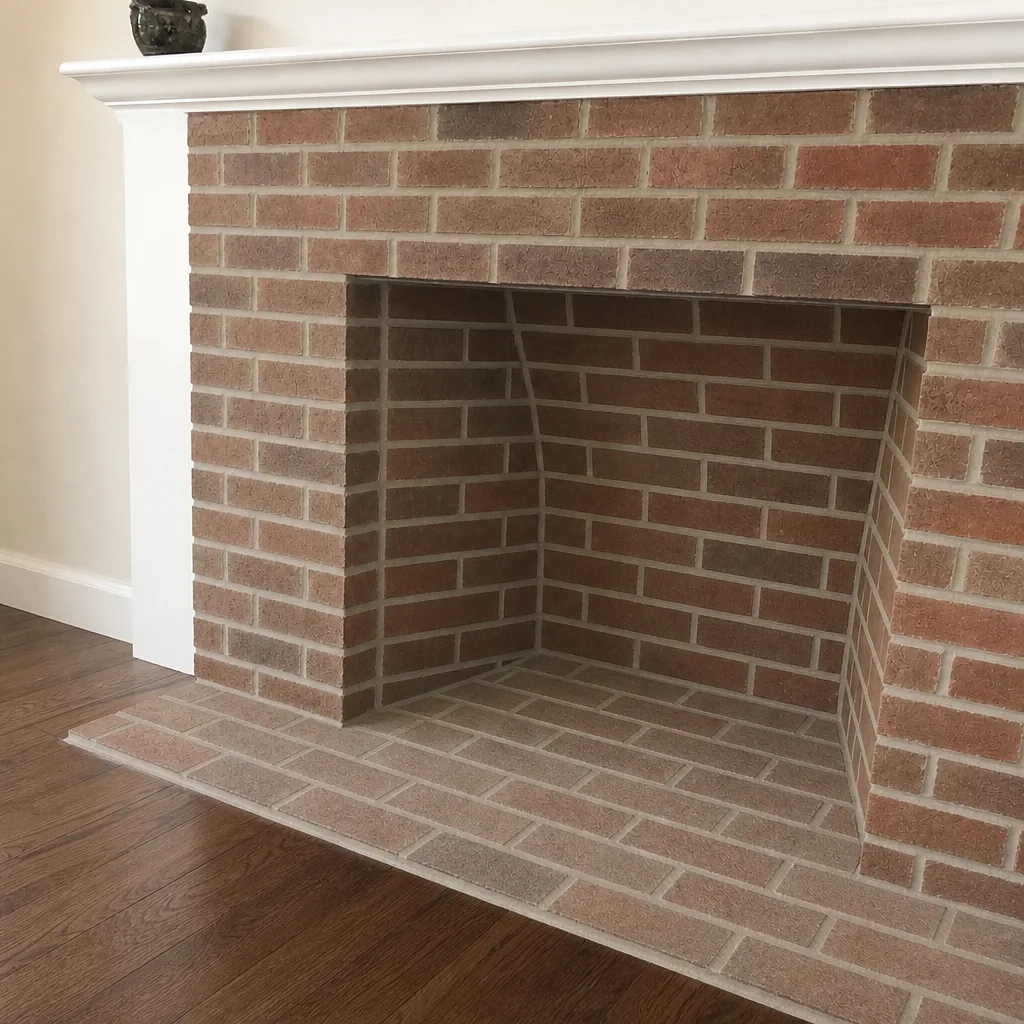
See the difference
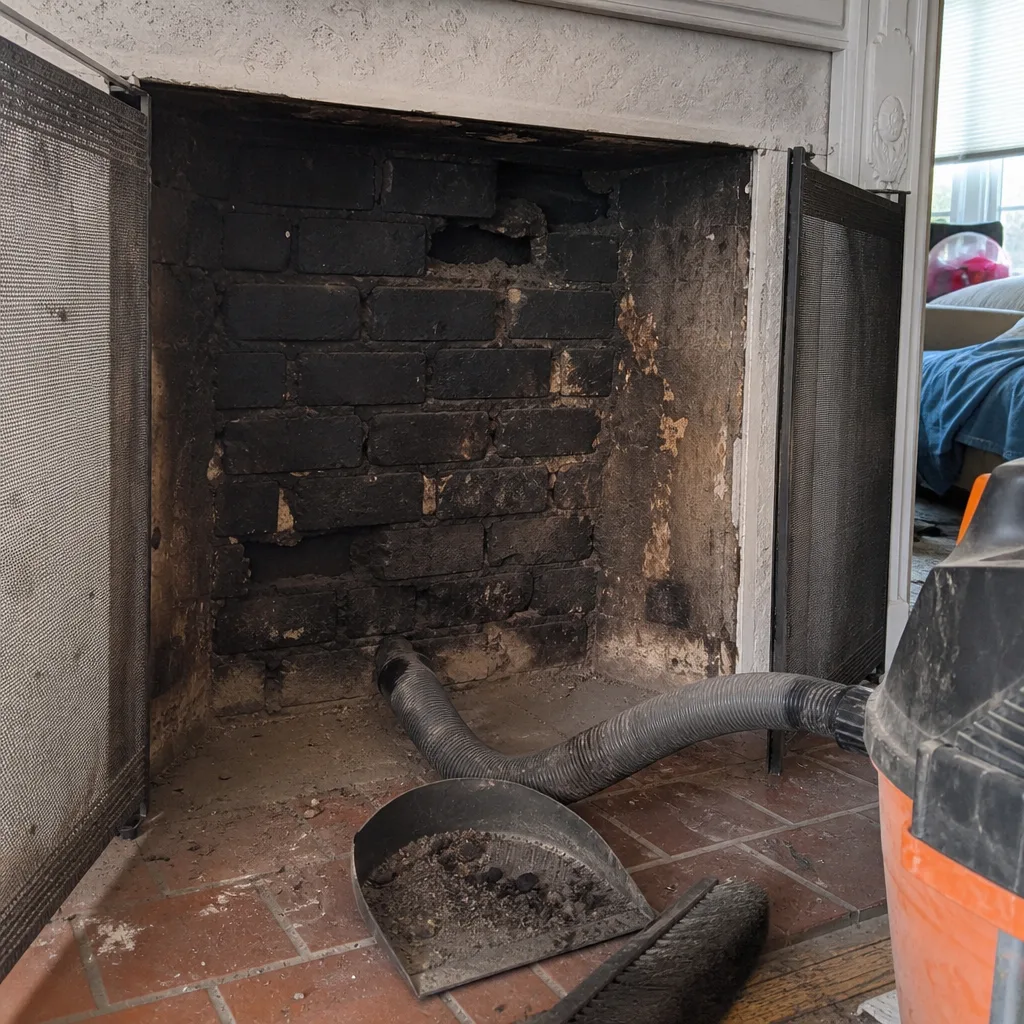 Before
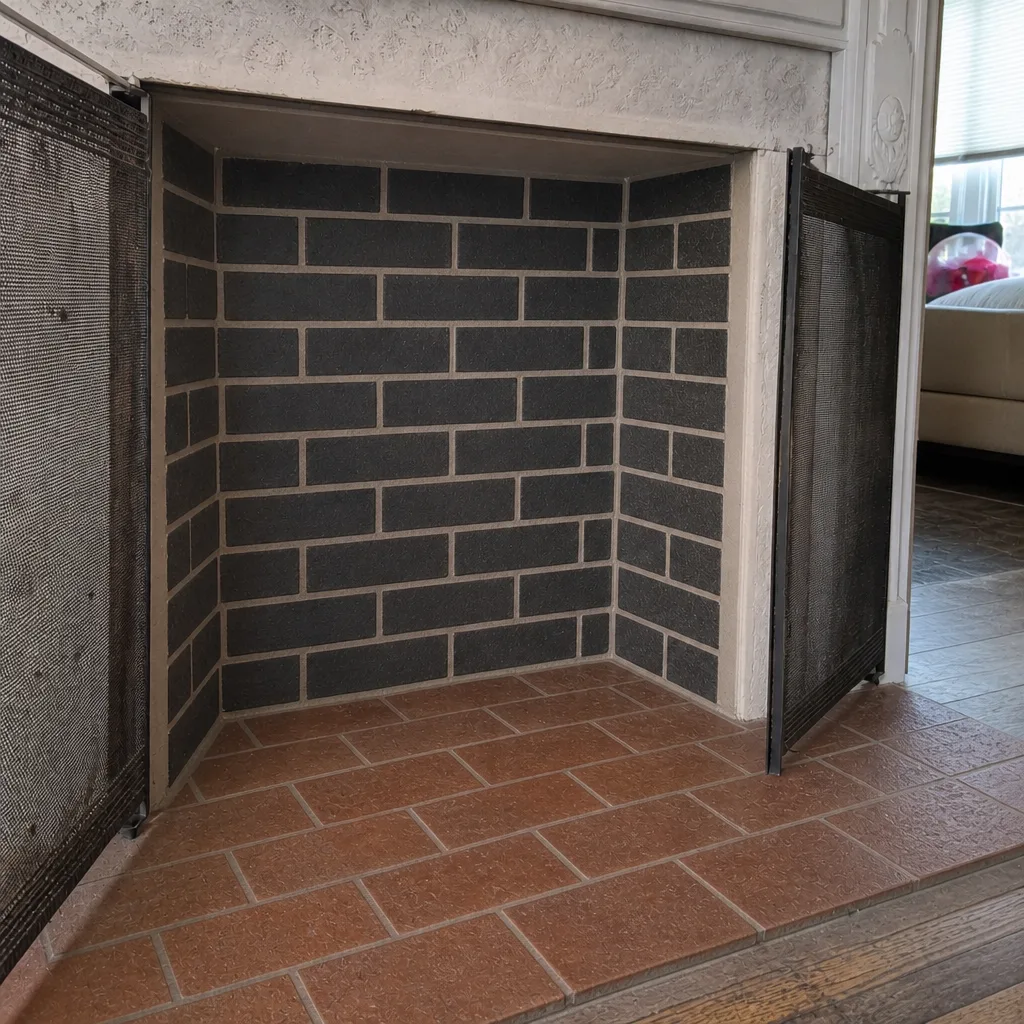 After
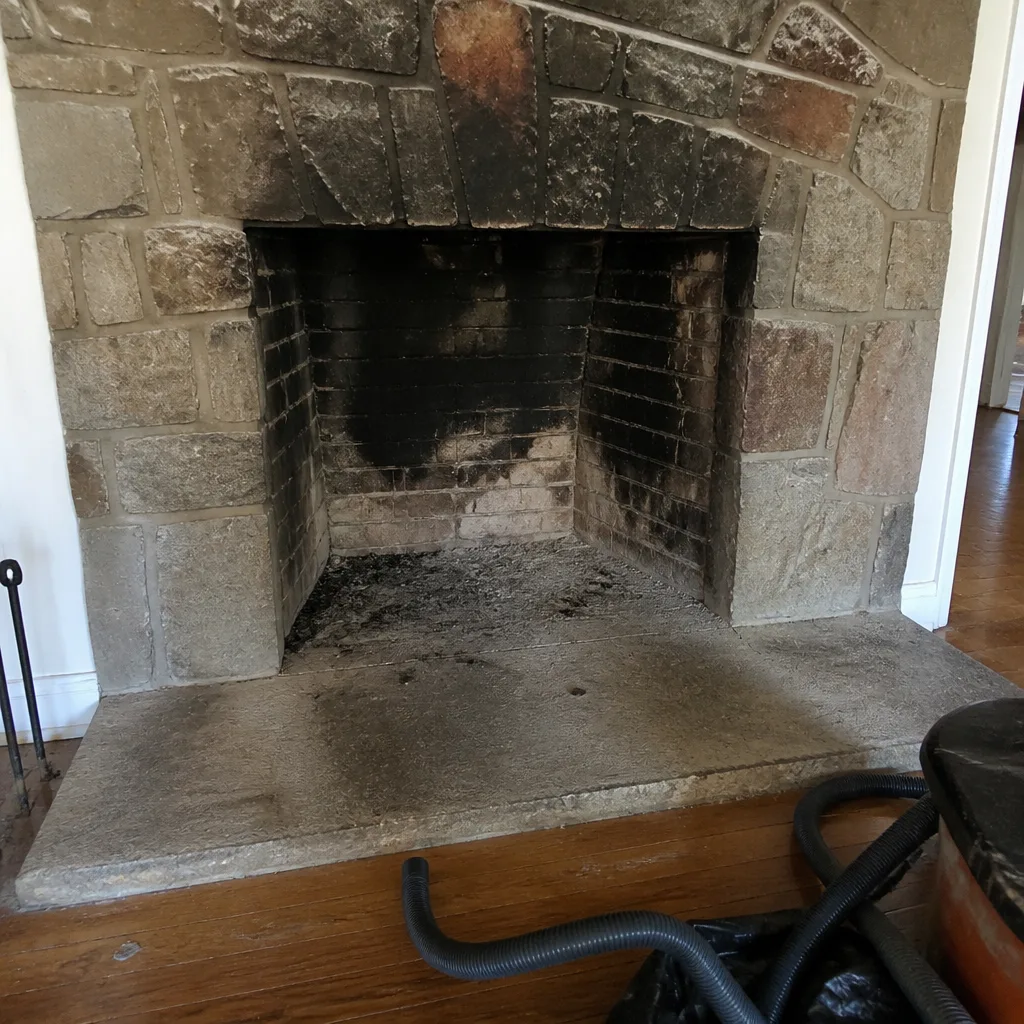 Before
 After
 Before
 After
What About DIY?
There’s a line between what a homeowner can do safely and what needs a trained professional. The line runs through the roof, the flue and the springs. Nothing on the chimney itself is a do-it-yourself job, and we’d rather say that plainly than give you a step-by-step for something that can hurt you.
What you can do safely:
- Inspect the cap and crown from the ground with binoculars.
- Run the draft test in fall with a small piece of lit paper near the open damper.
- Keep a working carbon monoxide alarm on every level.
- Keep the area around the firebox clear and burn dry, seasoned wood.
- Track your chimney’s condition in photos and notes, as above.
What a trained professional should handle:
- Any work on the roof, cap, crown or flashing.
- Anything inside the flue – sweeping, liner inspection, liner repair.
- Any look at the liner or firebox beyond what you can see through the open damper.
- Any decision about whether a liner needs replacing or resurfacing.
The flue and roof are genuinely dangerous places to work. A fall from a roof is a serious injury, and working inside a flue without the right tools and knowledge can damage the liner or miss a problem. Leave both to a professional who does this every day.
Common Mistakes to Avoid
- Sweeping only in fall. A single autumn sweep catches the creosote but misses the freeze-thaw damage that started in spring. Forest Hills chimneys need a spring look as much as a fall one.
- Ignoring the cap and crown. Water is the leading cause of chimney deterioration, and a failed cap or a cracked crown are two of the most common ways water gets in. Fix them in summer before the fall rush.
- Burning unseasoned or green wood. Wet wood burns inefficiently and produces more creosote than dry, seasoned wood. In a long Forest Hills winter that creosote load matters.
- Skipping the draft test before the first fire. A blocked flue pushes smoke and carbon monoxide back into the room. Test the draft, then burn.
- Burning again after a chimney fire. A chimney fire can damage the liner invisibly. Have it inspected before you light another fire.
- Treating an inspection as a checkbox on a sweep invoice. An inspection is a standalone service, and it’s the one that tells you what your chimney actually needs versus what it doesn’t.
- Climbing on the roof to inspect the chimney yourself. Binoculars from the ground are fine. The roof and the flue are not a homeowner job.
When to Call a Professional
Some chimney work is a clear call for a professional: anything on the roof or inside the flue, any sign of a chimney fire, any carbon monoxide alarm you can’t explain, any crack in the crown or missing cap, and any draft problem that doesn’t clear on its own. If you’ve had a bad experience with a sweep who only swept and never looked further, that’s the reason to call a full-system chimney specialist who can sweep, inspect, and fix what’s found in one place. We work on the whole system, not just the visible soot, which means a sweep that finds a liner problem can address it rather than send you looking for a second company. Chimney Sweep Forest Hills offers free estimates in Forest Hills. Call (855) 410-4917. We answer 24/7. Fast dispatch from 7am to 7pm, Sunday through Friday.
Frequently Asked Questions
The rule of thumb is once a year for most wood-burning chimneys, but how much you burn changes the answer. If you burn a fire most evenings through the winter, a mid-season check in addition to the annual sweep is worth it. If you burn only occasionally, an annual fall sweep with a spring inspection is usually enough. A sweep that reports the creosote level tells you whether your own burning pattern needs a more frequent schedule. Call (855) 410-4917 for a free estimate on a sweep and inspection – we’ll tell you what your chimney actually needs.
Spring is when winter’s damage is freshest and easiest to see. Freeze-thaw cycles leave spalling brick and cracked crowns, and efflorescence on the masonry points to moisture. Catching these in spring gives you months to schedule a fix before the first fire of fall. Call (855) 410-4917 to book a spring inspection – estimates are free.
Not necessarily. A liner needs attention when it’s cracked, damaged or otherwise compromised, but the only way to know is a proper inspection of the flue. Some flues can be resurfaced with HeatShield rather than fully relined, and some can be relined with a DuraFlex or Olympia Chimney flexible system. The inspection tells you which, if either, applies. Don’t replace a liner on a guess. Call (855) 410-4917 for an inspection that tells you what your liner actually needs.
Creosote keeps building in the flue, and heavy creosote is what feeds a chimney fire. Water keeps finding its way into any crack in the crown or cap, and freeze-thaw keeps widening the damage. The consequences are a higher risk of a chimney fire, a liner that degrades faster, and repairs that get more expensive the longer they wait. A sweep is cheaper than the repair it prevents. Call (855) 410-4917 to book one – estimates are free.
Yes. A cap keeps water out of the flue and animals out of the chimney, and it does both in a single visit. We work with Gelco and Copperfield cap and crown products, and a cap can be fitted alongside a sweep. Call (855) 410-4917 to get a cap and crown estimate – estimates are free.
You don’t, and that’s the point of an inspection. A sweep clears the flue; an inspection finds the spalling brick, the cracked crown, the damaged liner and the water intrusion the sweep alone won’t tell you about. That’s why we treat inspection as a standalone service, not a checkbox. Call (855) 410-4917 to schedule an inspection and get a report that tells you exactly what your chimney needs – and what it doesn’t. Estimates are free.
The Bottom Line
Chimney care in Forest Hills works best when it’s tied to the calendar rather than to a single pre-winter sweep. Spring catches freeze-thaw damage and water intrusion early. Summer handles cap, crown and animal work before the fall backlog. Fall delivers the sweep, inspection and draft test before the first fire. Winter adds a mid-season check if you burn heavily, and a post-fire inspection if anything happens. Keep a simple year-over-year record, stay off the roof, and let a professional look at the flue and liner. We work on the whole system, not just the visible soot, using professional-grade materials from HeatShield, DuraFlex, Gelco and Copperfield. Our technicians have up to 8 years of experience. Call (855) 410-4917 for a free estimate. We answer 24/7. Fast dispatch from 7am to 7pm, Sunday through Friday.
Written by the team at Chimney Sweep Forest Hills.