
Last updated November 22, 2026
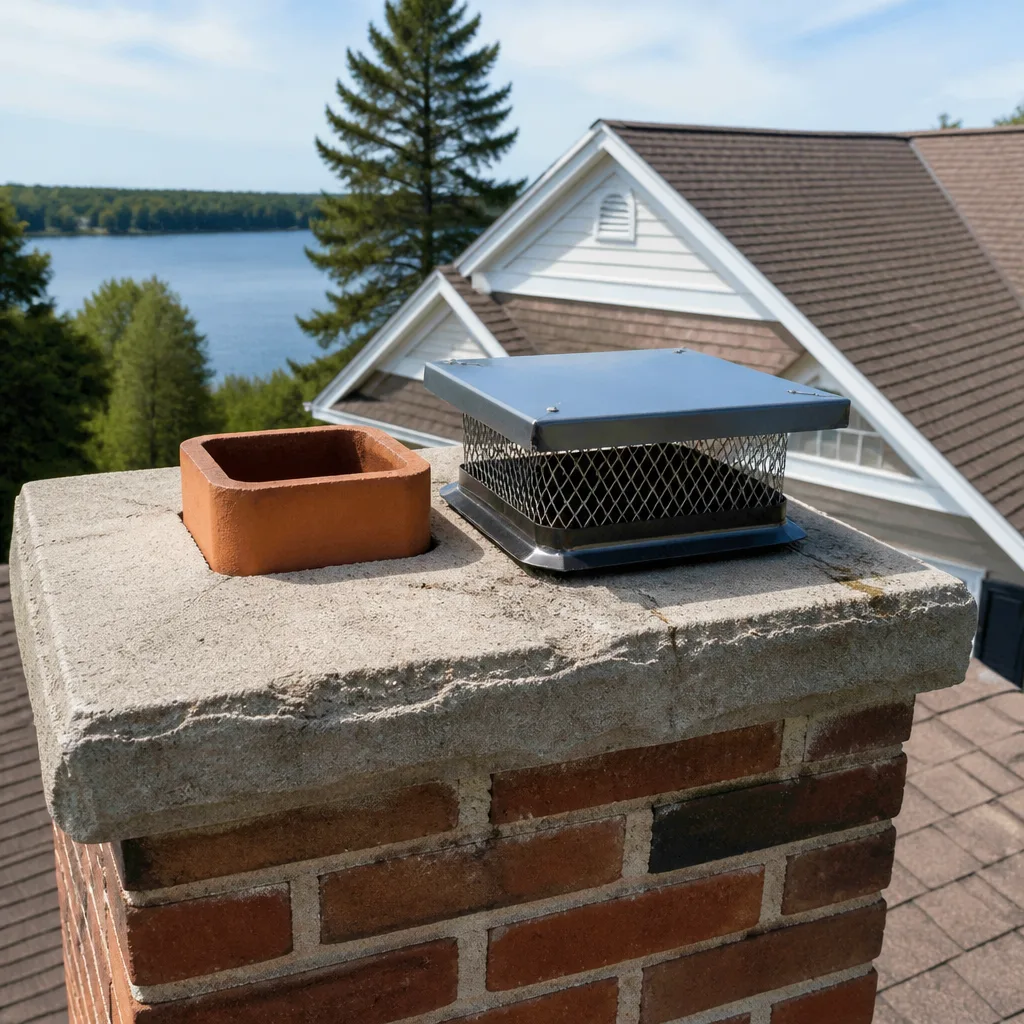 Sweep & inspection
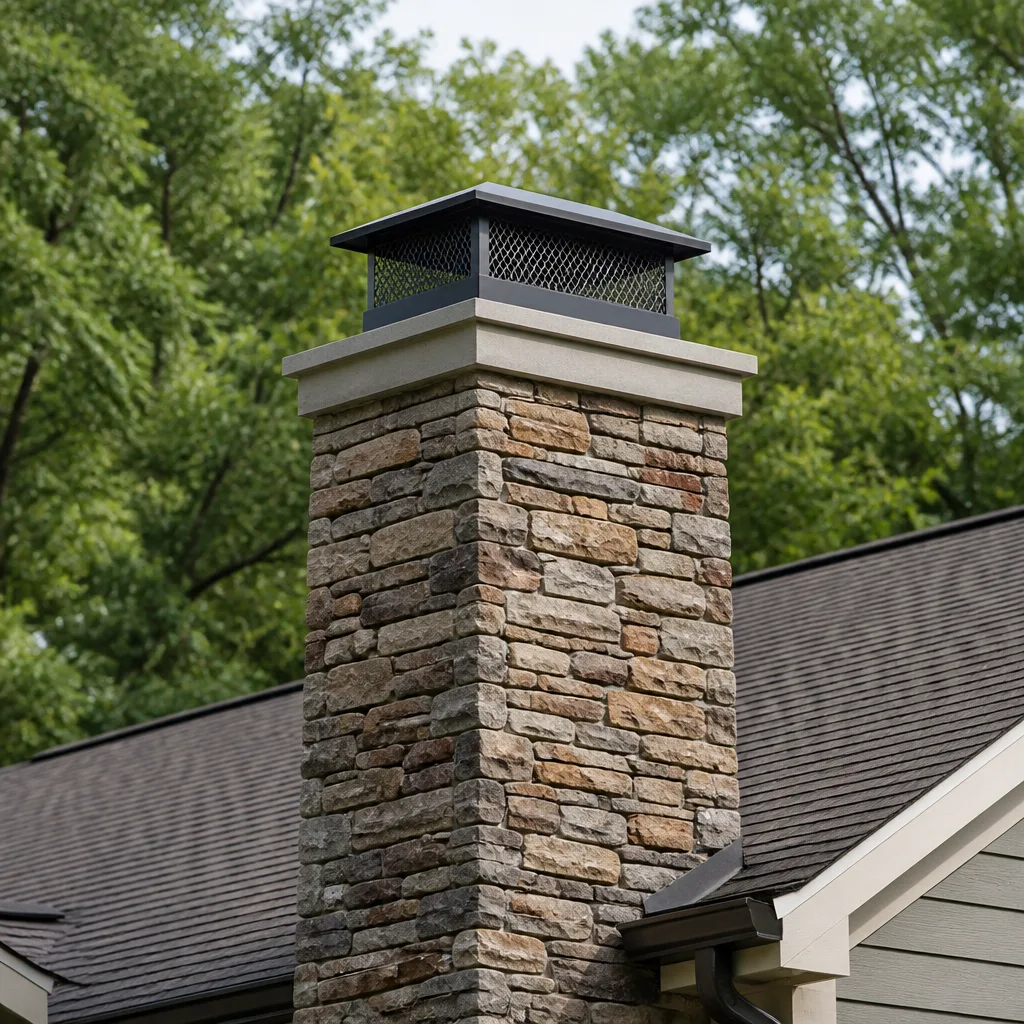 Caps & crowns
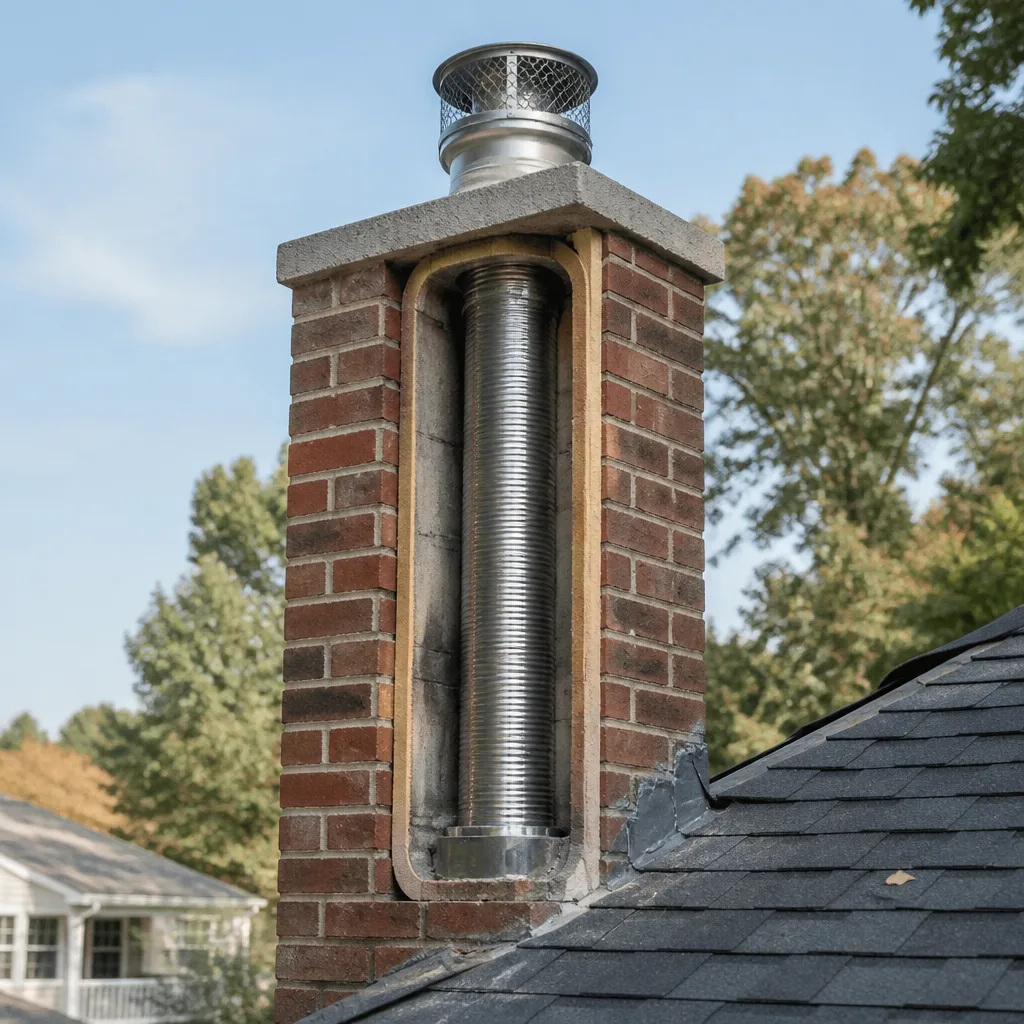 Flue relining
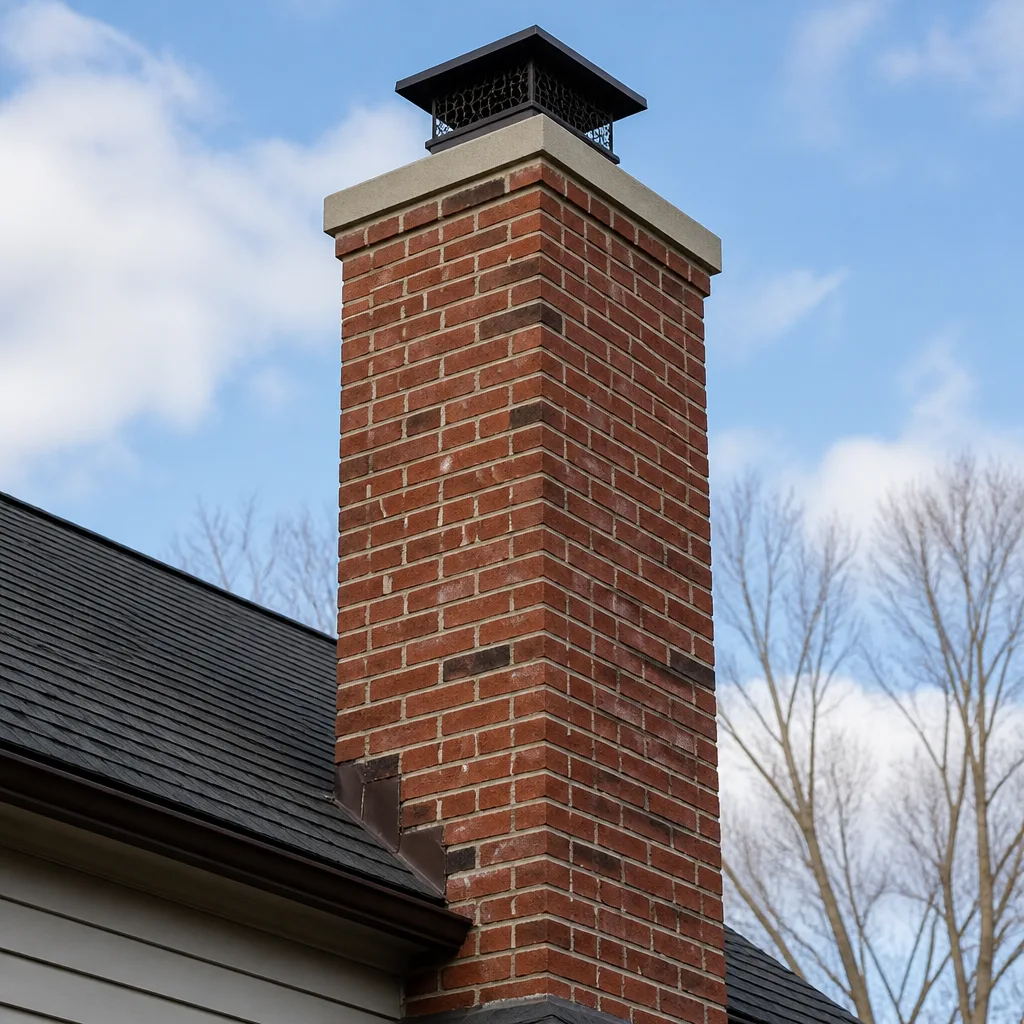 Masonry repair
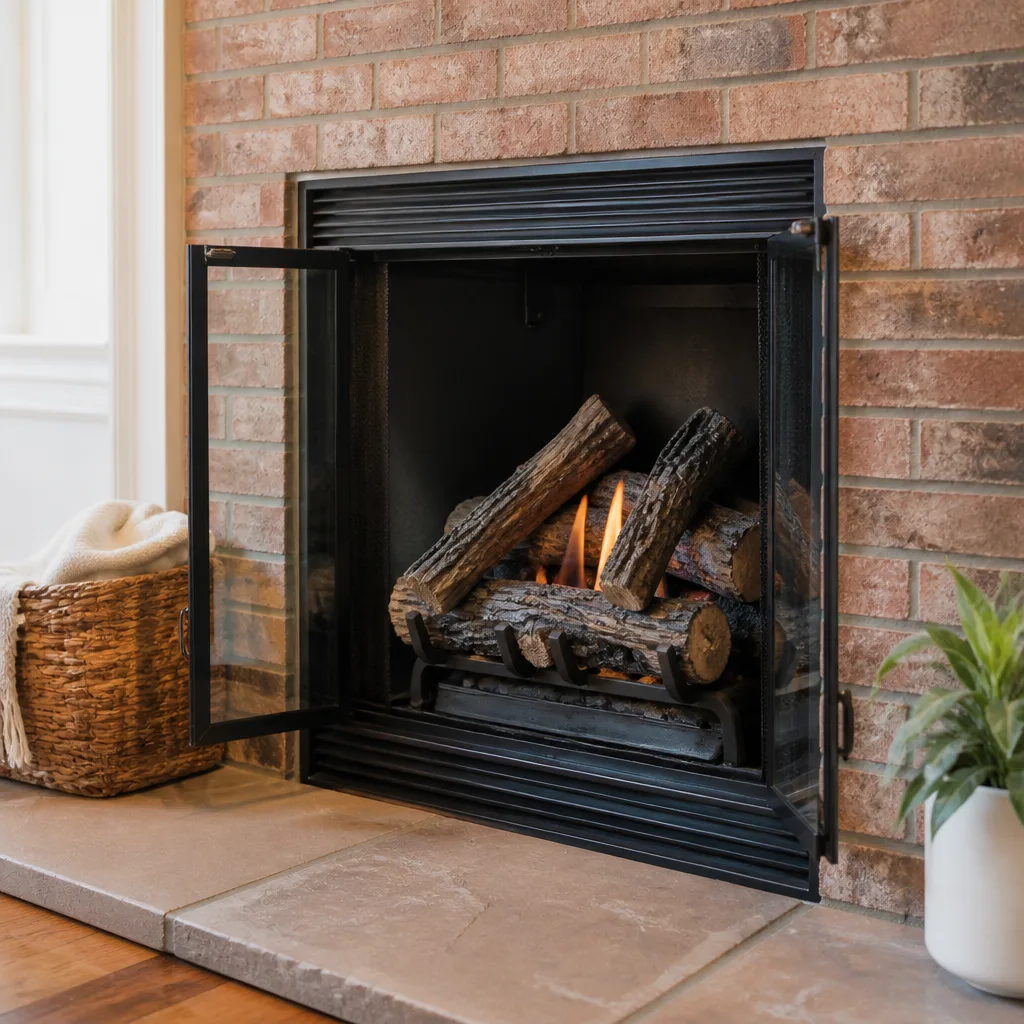 Gas fireplace service
Level 1 sweep and inspection to the NFPA 211 annual standard - flue, crown, cap, and flashing checked and photographed
Chimney sweep logs do not sweep chimneys. They loosen some creosote - which then falls where a brush and vacuum still have to collect it.
How to Hire a Chimney Cleaning Contractor in Forest Hills: A Step-by-Step Guide
Most homeowners in Forest Hills start their search with the same question: “Are you licensed?” In New York, that question doesn’t do the work you think it does. Chimney sweeping carries no state license requirement, so almost anyone with a brush, a shop vacuum and a magnetic sign can answer “yes” to a question that has no legal teeth behind it. The credential questions that actually protect your home and your wallet are different, and most people never ask them. This guide walks you through the ones that separate a contractor who diagnoses your whole chimney from someone who sweeps around a problem and hands you a one-line receipt.
Quick Answer
Hire a chimney contractor in Forest Hills by checking for CSIA certification (the technician, not the company name on the truck), NFI credentials if you have a gas or wood appliance, and whether the company can perform liner and masonry repairs rather than referring them out. A legitimate sweep includes a Level 1 inspection and a written report with photos, and any recommended work should be backed by camera evidence you can see yourself. Flat-rate sweeps with no inspection, no camera scope and no report are the clearest sign to keep looking.
Styles & brands we work with
- Sweep & inspection
- Caps & crowns
- Flue relining
- Masonry repair
- Gas fireplace service
Table of Contents
- What Credentials Should You Actually Ask About?
- Red Flags in a Chimney Quote
- How to Tell If a Contractor Can Handle the Whole System
- The Trade-Brand Questions That Reveal Real Liner Work
- What a Legitimate Post-Service Report Should Contain
- The Step-by-Step Hiring Process
- What Chimney Work Costs in Forest Hills
- Common Mistakes to Avoid
What Credentials Should You Actually Ask About?
Since New York doesn’t license chimney sweeps the way it licenses electricians or plumbers, the meaningful benchmarks come from industry certification bodies, not state paperwork. The two that matter most are CSIA certification and NFI credentials, and they certify different things.
CSIA certification is the Chimney Safety Institute of America credential. It tests a technician on sweeping, inspection standards (the three levels of inspection), venting basics and code awareness. A CSIA-certified sweep has passed a proctored exam and committed to a code of ethics. When you see “CSIA certified” on a website, ask whether the individual arriving at your door holds it, because certification belongs to the person, not the company.
NFI certification is the National Fireplace Institute credential. It covers installation and service of wood-burning, gas and pellet hearth appliances. If your Forest Hills home has a gas fireplace, a pellet stove or a wood insert, an NFI-certified technician understands how the appliance interacts with the flue, which a pure sweeping background may not cover.
Other signals worth confirming:
- General liability insurance carried by the individual or company doing the work – ask for a certificate
- Written confirmation that the inspection follows CSIA inspection levels
- A camera scope offered as part of the service, not as an upsell
- Documented experience with the professional-grade materials that liner and cap work require
None of these guarantees a good job. Together, though, they tell you whether the person on your roof knows what to look for beyond soot. Our technicians have up to 8 years of experience, and we know from that work that credential questions change the entire conversation a homeowner has with a contractor.
Red Flags in a Chimney Quote
The strongest red flag in a chimney quote is a flat price for the sweep with no inspection component attached. A sweep without an inspection is a cleaning with no assessment, and that is how a cracked flue tile or a failing crown goes unnoticed for another season. Forest Hills has a lot of older housing stock, and the homes along the numbered streets off Queens Boulevard and the Tudor-style blocks near Forest Hills Gardens were built with flues that were never designed for modern high-efficiency appliances. Those systems need to be looked at, not just brushed.
Other warning signs that should end the conversation:
- No camera scope offered. A Level 2 inspection uses a video camera to look inside the flue. If a contractor doesn’t have one, they can’t see what they’re recommending work on.
- No written report. A one-line invoice saying “swept chimney” tells you nothing. Ask what the report will contain before you book.
- Recommendations without evidence. If someone tells you that you need a liner, ask to see the video. If they can’t pull it up, don’t buy.
- Quotes with no scope detail. “Chimney repair – call for price” is not a quote. You should know what’s being fixed before you agree.
- Pressure to decide immediately. Chimney work almost never has to happen in the next hour. Any contractor who insists it does is selling urgency.
- A price that seems too low for the scope. A basic sweep has real labor behind it, and a quote well below market usually means a rushed job with no inspection.
The pattern here is simple. A contractor who cleans and diagnoses will show you what they found. A contractor who only sweeps will hand you a receipt and leave.
How to Tell If a Contractor Can Handle the Whole System
Here is where most Forest Hills homeowners get stuck. A sweep comes out, cleans the flue, and discovers a cracked crown or a liner that needs resurfacing. If the company can’t do that work, they’ll refer you out to someone else, and now you’re hiring again, waiting again, and hoping the second contractor agrees with the first. That handoff is where problems quietly get lost.
Ask these questions when you’re comparing contractors:
- Do you perform liner repair and relining in-house, or do you subcontract it? (Licensed and insured local pros perform the work; the company you hire should be able to scope the whole job.)
- Can you do masonry repair on the chimney exterior, or only the flue interior?
- Do you handle cap and crown work?
- Does your scope include the firebox and fireplace, or does it stop at the flue?
- If a sweep uncovers a structural issue, can you quote the repair the same visit?
A full-system contractor covers five distinct categories: sweeping, inspection, cap and crown installation or repair, structural chimney repair, and fireplace repair. Forest Hills has plenty of sweep-only operations and general contractors who take chimney work as an occasional add-on. The full-system specialist is the one who can move from “we found a problem” to “here’s the repair, in writing” without the homeowner chasing a second company.
If a contractor refers out liner work, that doesn’t make them dishonest. It just means you’ll be managing two relationships instead of one, and the second contractor will re-diagnose what the first one already found. One company, one call is simpler – and simpler usually means nothing falls between the cracks.
The Trade-Brand Questions That Reveal Real Liner Work
The materials a contractor works with tell you more about their capability than their website copy does. Professional-grade liner and resurfacing products – the ones certified chimney professionals specify – aren’t available through general handyman channels. Asking about them, carefully, reveals whether a company does real liner work or just talks about it.
Here’s how to use brand knowledge as an interview tool:
- Ask how they’d handle deteriorating flue tile. HeatShield is a resurfacing system that repairs a failing tile without full demolition. If a contractor only offers a full liner replacement or refers the work out, they don’t do HeatShield.
- Ask what flexible liner system they use. DuraFlex and Olympia Chimney are professional flexible liner systems for relining older flues or upgrading the flue for a converted appliance. If a contractor can name the system they’d specify and explain why, you’re talking to someone who does this work.
- Ask about cap and cover brands. Famco and Copperfield are recognized cap and cover brands. A contractor who specifies these tells you that caps aren’t an afterthought for them – they’re part of the service.
- Ask for a photo of past liner work. Any contractor who does real liner work has photos of it.
The answer to a brand question isn’t proof by itself. A contractor can name a product without installing it. But someone who works with DuraFlex, HeatShield, Olympia Chimney, Famco and Copperfield regularly will answer with specifics, “we’d use HeatShield here because the tile is spalling but still intact,” for example, instead of a general “yeah, we do liners.”
This is also why chimney repair deserves its own conversation before you hire. A sweep that finds a cracked crown during a routine visit should be able to quote the crown repair, order the materials and schedule the fix without a separate company stepping in.
What a Legitimate Post-Service Report Should Contain
A real post-service report is a document you can keep, share with a buyer or seller, and use as a baseline for the next season. It is not a handwritten receipt. Before you book a sweep in Forest Hills, ask what the report will look like. Here’s what a legitimate one contains:
- Date and scope – what was cleaned, what was inspected, and which inspection level was performed
- Technician name and credential – who did the work and what they’re certified in
- Photos of the flue – before and after, or at least a set from the camera scope
- Findings on every component – firebox, damper, smoke chamber, flue tiles, crown, cap, exterior masonry
- Recommended work with evidence – each recommendation tied to a specific photo or video clip
- Work that can safely wait – a good report names what isn’t urgent, not just what is
- A written estimate for anything recommended, with scope detail
That last pair – recommended work and work that can wait – is what separates a diagnostic inspection from an upsell. A report that tells you what your chimney needs and what it doesn’t gives you a way to make decisions on your own timeline. A report that only lists problems gives you no context for which ones matter now. If you’ve bought or sold a home in Forest Hills recently, a documented inspection is also a negotiation tool: you can show a buyer the flue condition and point to the assessment rather than a verbal promise.
The Step-by-Step Hiring Process
If you’d rather have a sequence to follow, this is the order we’ve found works best for Forest Hills homeowners comparing chimney contractors. Each step has a specific question attached so you know what you’re evaluating.
Step 1: Get three quotes with scope detail. Not just a price, but a written description of what’s included. A quote that doesn’t specify sweep versus inspection versus repair doesn’t tell you anything.
Step 2: Confirm the technician’s credential. Ask for CSIA certification and, if you have a gas or wood appliance, NFI. Verify that the certification belongs to the person arriving, not a name on the website.
Step 3: Ask about the inspection level. A routine cleaning is Level 1. A Level 2 inspection uses a camera and is the standard for a sale, a new appliance, or a recent chimney fire. Know which one you’re getting.
Step 4: Ask who does the repair work. If the sweep finds a problem you didn’t know about, can the same company quote and complete it, or does it refer out?
Step 5: Ask about materials. Which professional-grade brands does the contractor work with, and how would they decide between resurfacing and relining?
Step 6: Get the report scope in writing. Ask for a sample report, or at least a description of what it will contain.
Step 7: Book the job and agree the price before anyone arrives. The estimate is free, the price is set per job by the written estimate, and nothing should change after the fact without your approval.
If you follow those seven steps, you’ll end up with a contractor who does the whole job, not a contractor who does the easy part and leaves you holding the rest.
What Chimney Work Costs in Forest Hills
Chimney pricing in Forest Hills follows the same general bands as the rest of Queens, but the actual number depends on the system. A basic sweep on a straightforward flue costs less than a Level 2 inspection with a camera scope, and a liner job costs more than either one. The price you should expect is the one set per job by the written estimate – and the estimate is free.
Typical service categories and what pushes them up or down:
- Standard chimney sweep – single flue, accessible roof, no visible damage. Lowest tier.
- Sweep with inspection – adds a documented inspection of the flue and components. Common for a first-time cleaning or a seasonal check.
- Level 2 inspection (camera scope) – video of the interior of the flue. Often required when buying or selling a home or after a chimney fire.
- Cap and crown work – adds a cap, a crown repair or a crown rebuild depending on the condition of the top of the chimney.
- Liner work – relining or HeatShield resurfacing based on the condition of the flue tiles. Priced by the size and length of the flue and the material specified.
- Structural repair – masonry repair on the exterior of the chimney, tuckpointing, and reconstruction of damaged sections.
- Fireplace repair – work on the firebox, damper or refractory panels, priced by the components involved.
Two things to watch for when comparing prices:
- A price that includes the sweep but not the inspection. Ask what the inspection would add and whether the quote includes a report.
- A quote that jumps straight to a liner replacement without showing you the flue condition. If the recommendation isn’t backed by camera evidence, ask to see it before you agree.
You don’t need the cheapest quote. You need the one with a scope you can read and evidence you can see. The written estimate sets the final price, and that’s the number you should be able to compare against every other contractor.
Common Mistakes to Avoid
- Skipping the inspection because you “just need a sweep.” A sweep with no inspection cleans the flue and misses whatever is cracked behind the soot. Forest Hills homes with older flues especially need the diagnostic half of the visit.
- Booking on price alone. A below-market sweep usually means a rushed job with no camera scope and no report. The savings disappear the moment a problem gets missed.
- Assuming the certification named on the website belongs to the technician. Ask the person at the door. Certifications are individual, and a company name doesn’t transfer one to every employee.
- Accepting a recommendation without evidence. Any liner, crown or masonry recommendation should be backed by a photo or video clip. Ask for it before you approve the work.
- Hiring a company that refers out repair work. When the sweep finds a problem and refers you to a second contractor, the second contractor re-diagnoses and re-quotes. One full-system contractor avoids that handoff.
- Treating a one-line invoice as a report. You want a document with findings, photos and a scope, not a receipt with the words “swept chimney” on it. If you’re selling your home, that report becomes part of the file.
- Waiting until the first cold snap to book. Forest Hills gets real seasons, and the week before the first fire is when every sweep is booked out. Book the sweep before the heating season, not during it.
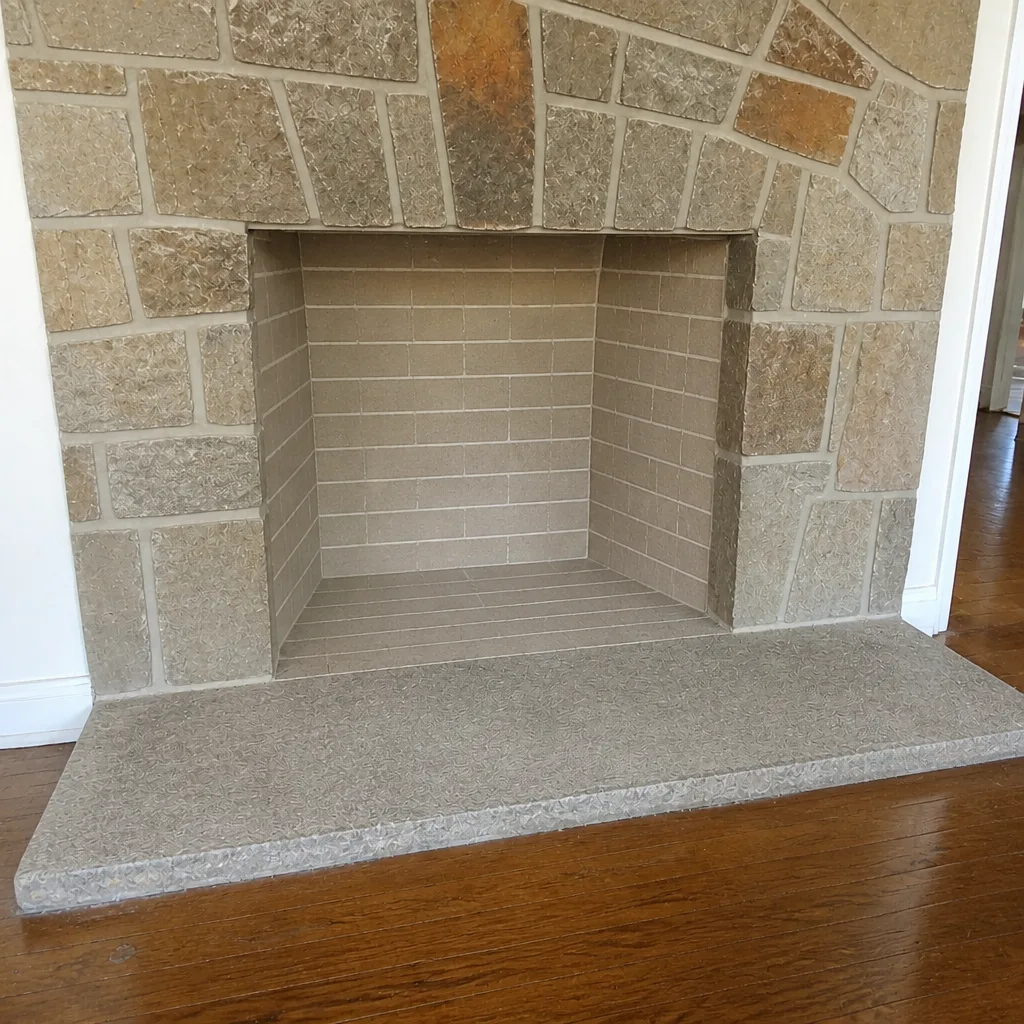
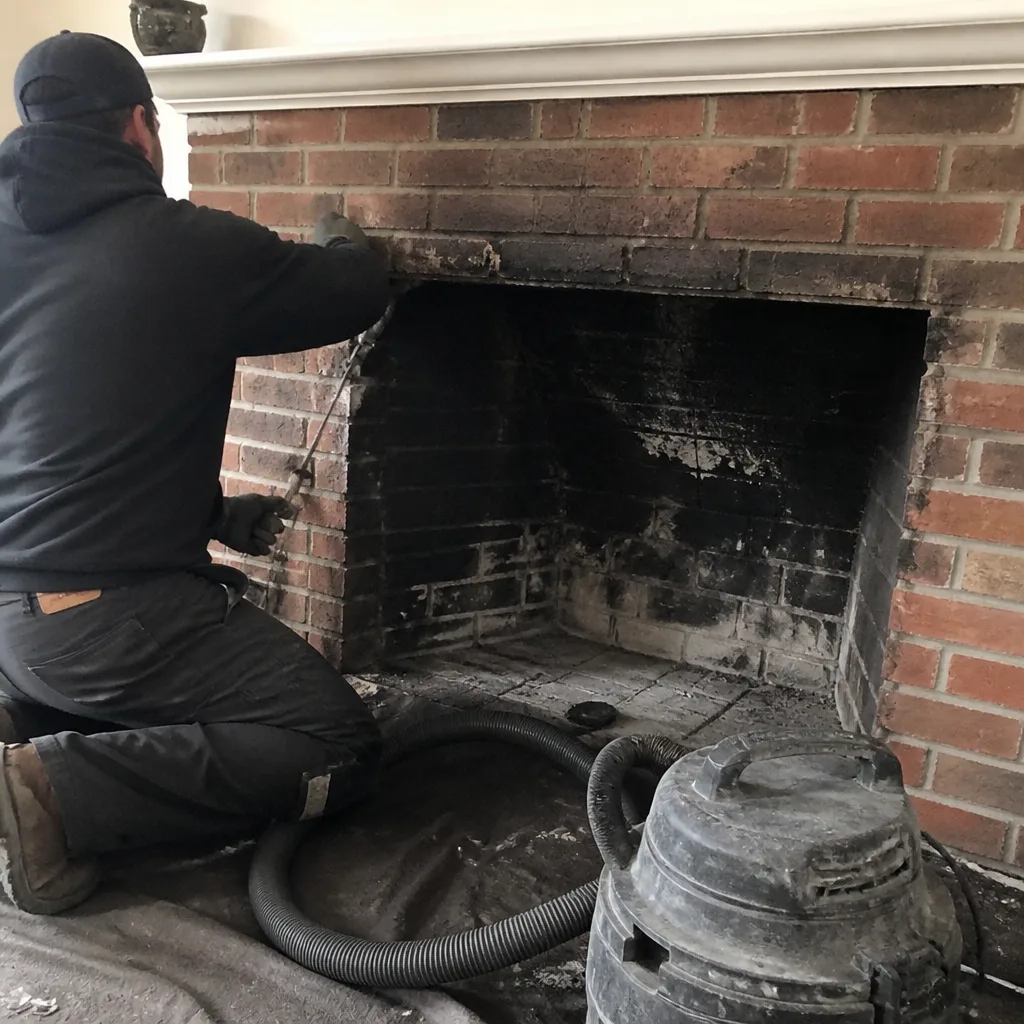
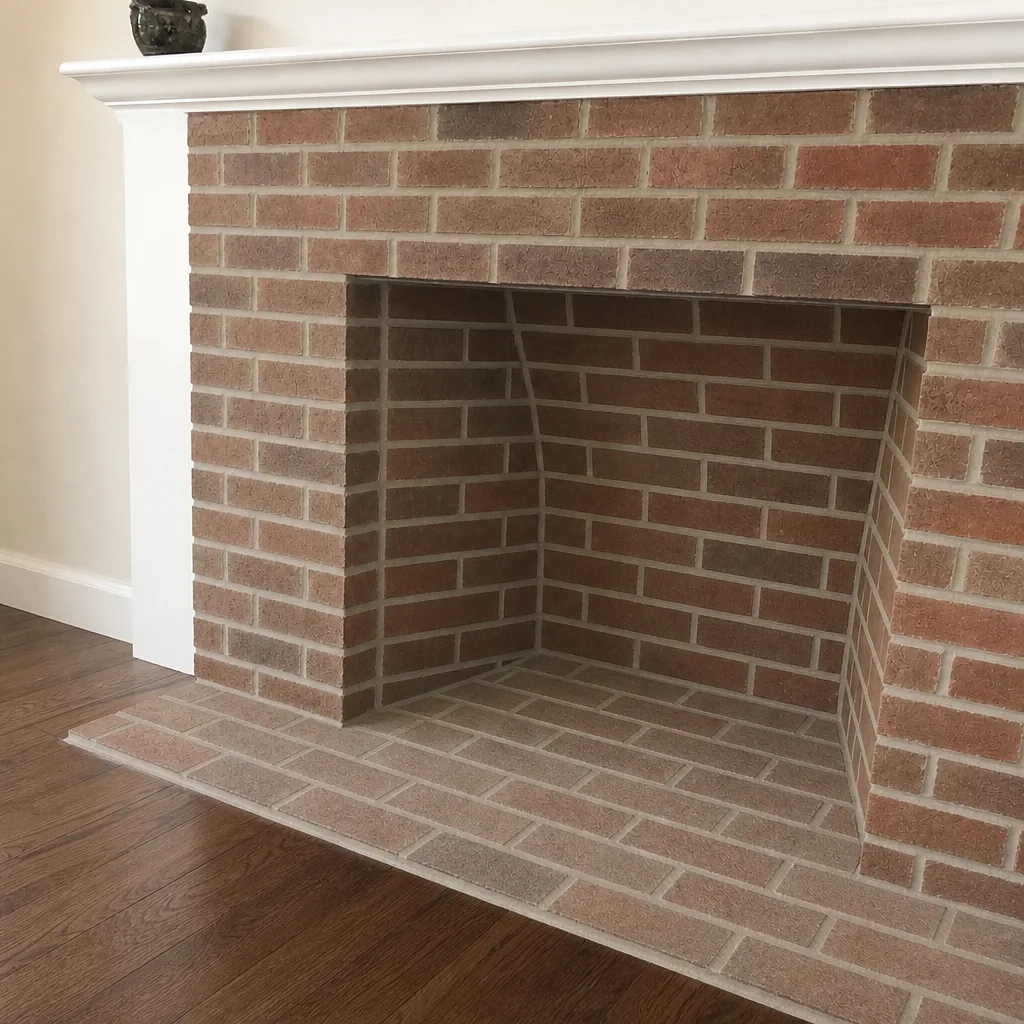
See the difference
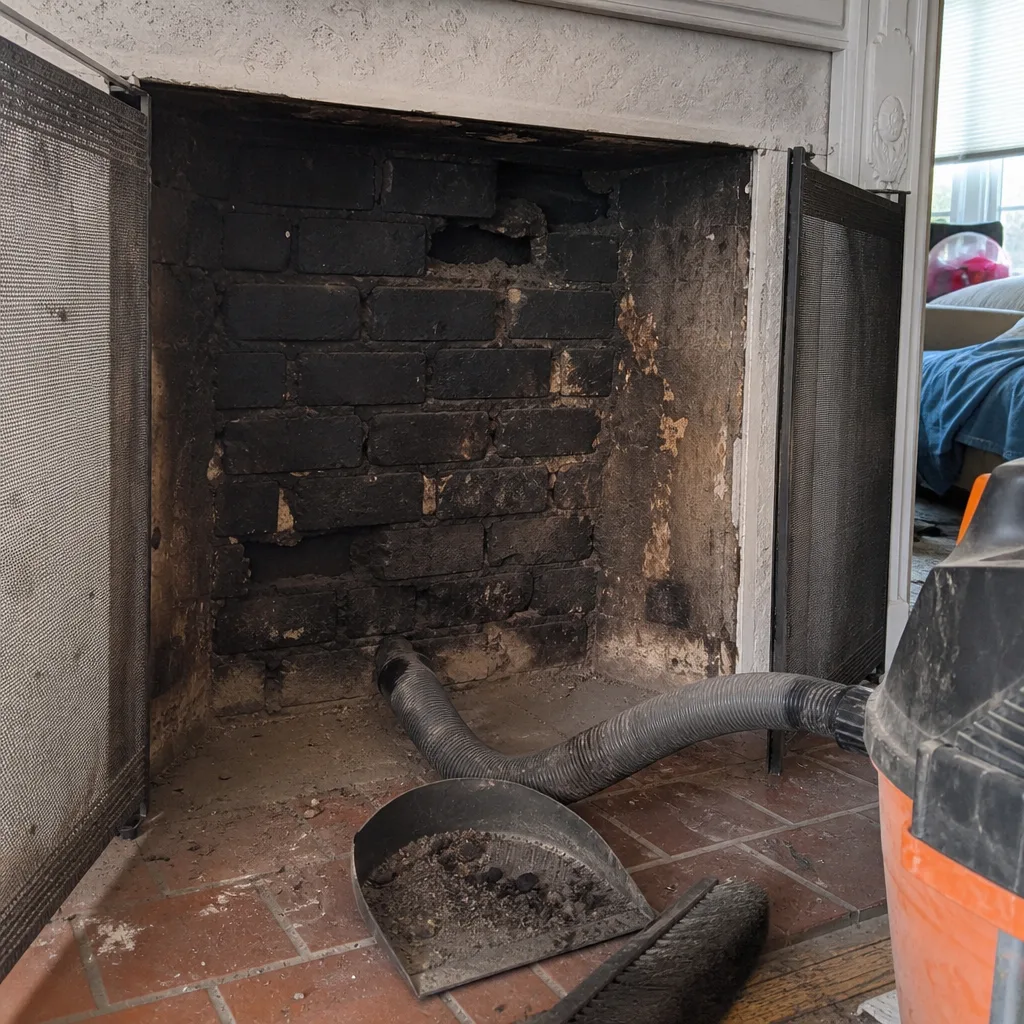 Before
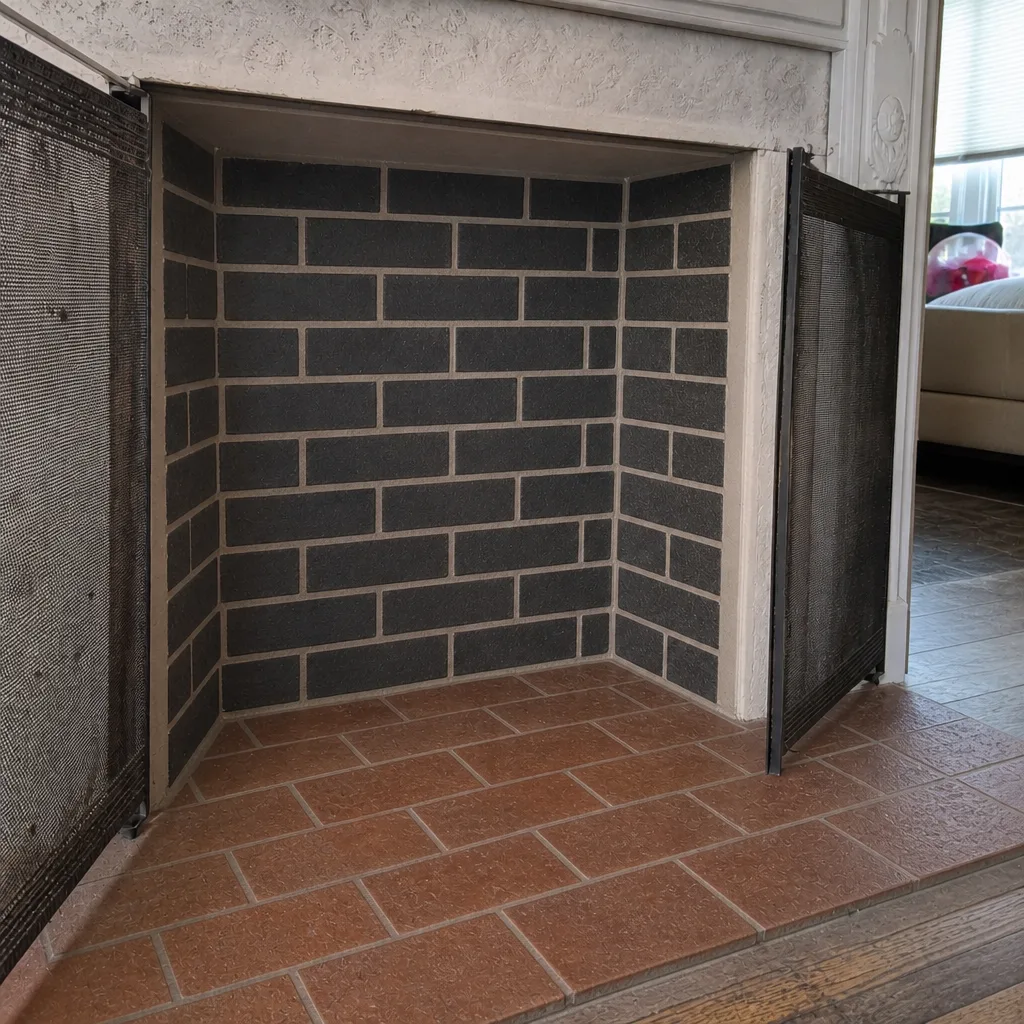 After
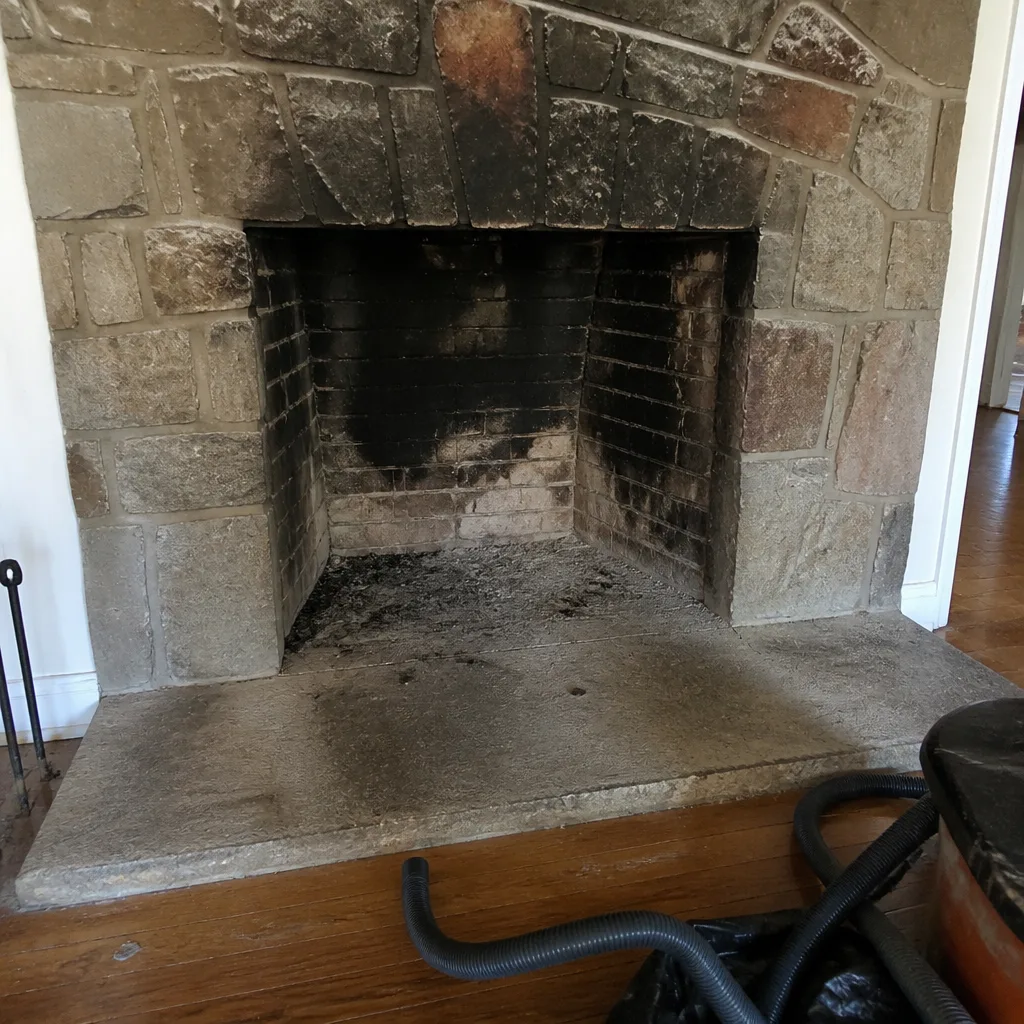 Before
 After
 Before
 After
When to Call a Professional
Some chimney work can wait. Some absolutely cannot. Call a professional if you smell smoke indoors when no fire is burning, if you see soot falling from the flue or staining the chimney exterior, if you’ve had a chimney fire (even a small one), if your damper doesn’t close properly, if you see water staining or efflorescence on the masonry, or if you’re buying or selling a home in Forest Hills and need a documented inspection. Never inspect or repair the flue interior yourself. The firebox, flue and chimney top involve carbon monoxide risk, fire risk and often height work, and a trained professional is the only safe way to look into the flue.
Chimney Sweep Forest Hills offers free estimates in Forest Hills – call (855) 410-4917. We answer 24/7. Fast dispatch from 7am to 7pm, Sunday through Friday.
Frequently Asked Questions
A standard chimney sweep in Forest Hills is a mid-range job priced by the flue size and access, and a sweep with a documented inspection costs more than a cleaning alone. The exact price is set per job by the written estimate, and the estimate is free. Call (855) 410-4917 for an exact quote.
Only if the flue itself is compromised – cracked tiles, gaps at the joints, spalling, or an appliance that’s incompatible with the existing flue. A HeatShield resurfacing can often repair a failing tile without replacing the whole liner, so the answer depends on what the camera shows. Nothing is recommended without camera evidence you can see, and we’ll tell you plainly when a repair can safely wait. Call (855) 410-4917 for an exact quote.
Once a year for a wood-burning fireplace, and at the start of heating season if you burn weekly. Gas appliances need an annual inspection even though they deposit less soot. Homes that burn often, or that use a wood insert, may need a sweep more frequently. Call (855) 410-4917 to book before the season starts.
Creosote builds up on the flue walls, and glazed creosote is the fuel for a chimney fire. Separately, an obstruction or a cracked flue can push carbon monoxide into the living space. Neither risk is visible from the firebox, which is why the annual sweep and inspection matter. Call (855) 410-4917 for a sweep and inspection.
No. New York does not license chimney sweeps, which is why CSIA certification and NFI credentials are the meaningful benchmarks to ask about. Ask whether the technician arriving at your door is certified, not just the company. The local pro is licensed and insured as their state requires for the scope of work they perform. Call (855) 410-4917 to confirm what’s included before booking.
Yes. Sweeping is one of five service categories – the others are inspection, cap and crown work, structural chimney repair, and fireplace repair. We work with professional-grade materials from brands including DuraFlex, HeatShield, Olympia Chimney, Famco and Copperfield, and we can quote repair work the same visit a sweep uncovers it. From cap to firebox, one company, one call. See our chimney cap & crown page for the weather-protection side of the system. Call (855) 410-4917 for a free estimate.
The Bottom Line
Hiring a chimney contractor in Forest Hills comes down to four questions: is the technician certified, does the visit include a documented inspection, can the company handle the whole system rather than referring work out, and will you see the evidence before you approve any repair? Those four questions separate a diagnostic specialist from someone with a brush and a truck. Forest Hills has both, and the difference in what they catch – and what they miss – is significant. Book before the heating season, ask for the report, and compare scopes rather than prices. Our technicians have up to 8 years of experience with the full system, and we’d rather tell you what your chimney doesn’t need than sell you work it doesn’t. If you’re ready to schedule a chimney sweep with a real inspection attached, Chimney Sweep Forest Hills is here to help. Call (855) 410-4917. We answer 24/7. Fast dispatch from 7am to 7pm, Sunday through Friday. Estimates are free, and the written estimate sets the final price.
Written by the team at Chimney Sweep Forest Hills.