
Last updated November 22, 2026
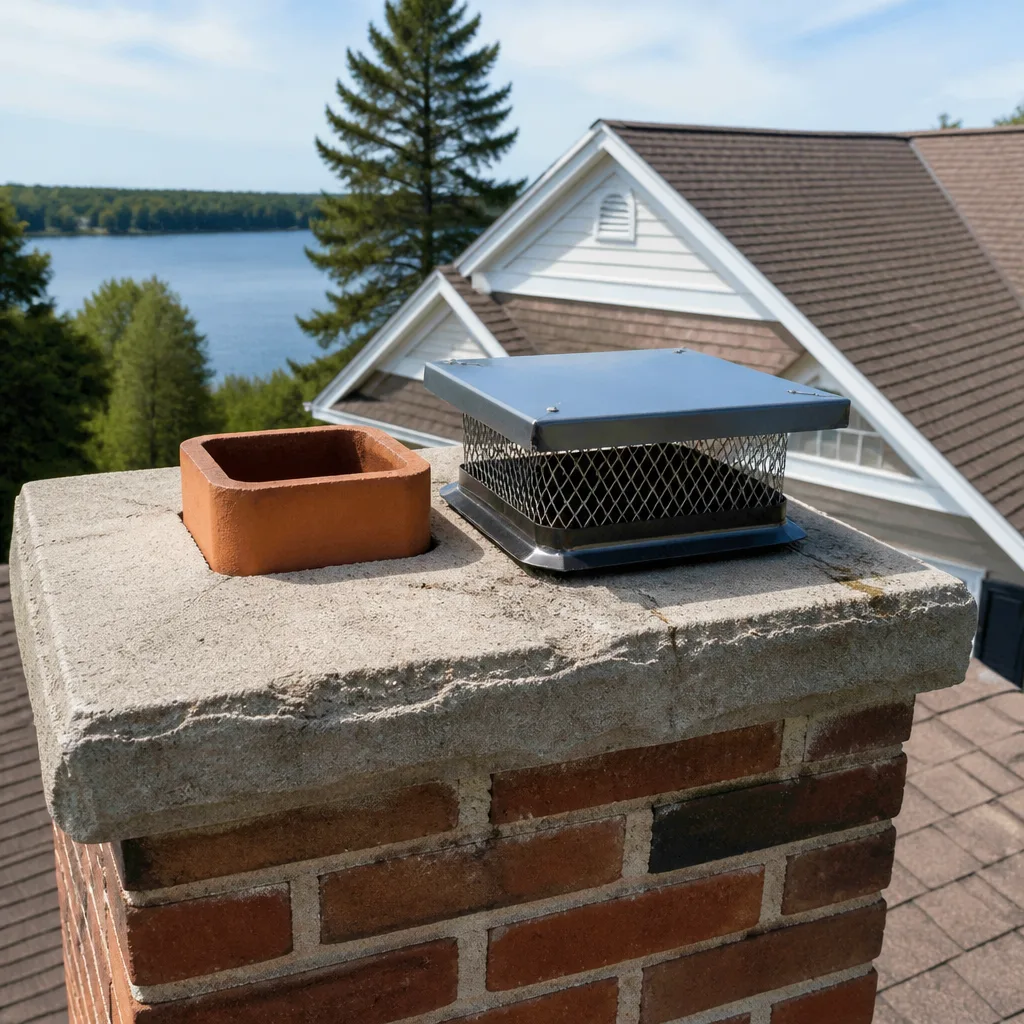 Sweep & inspection
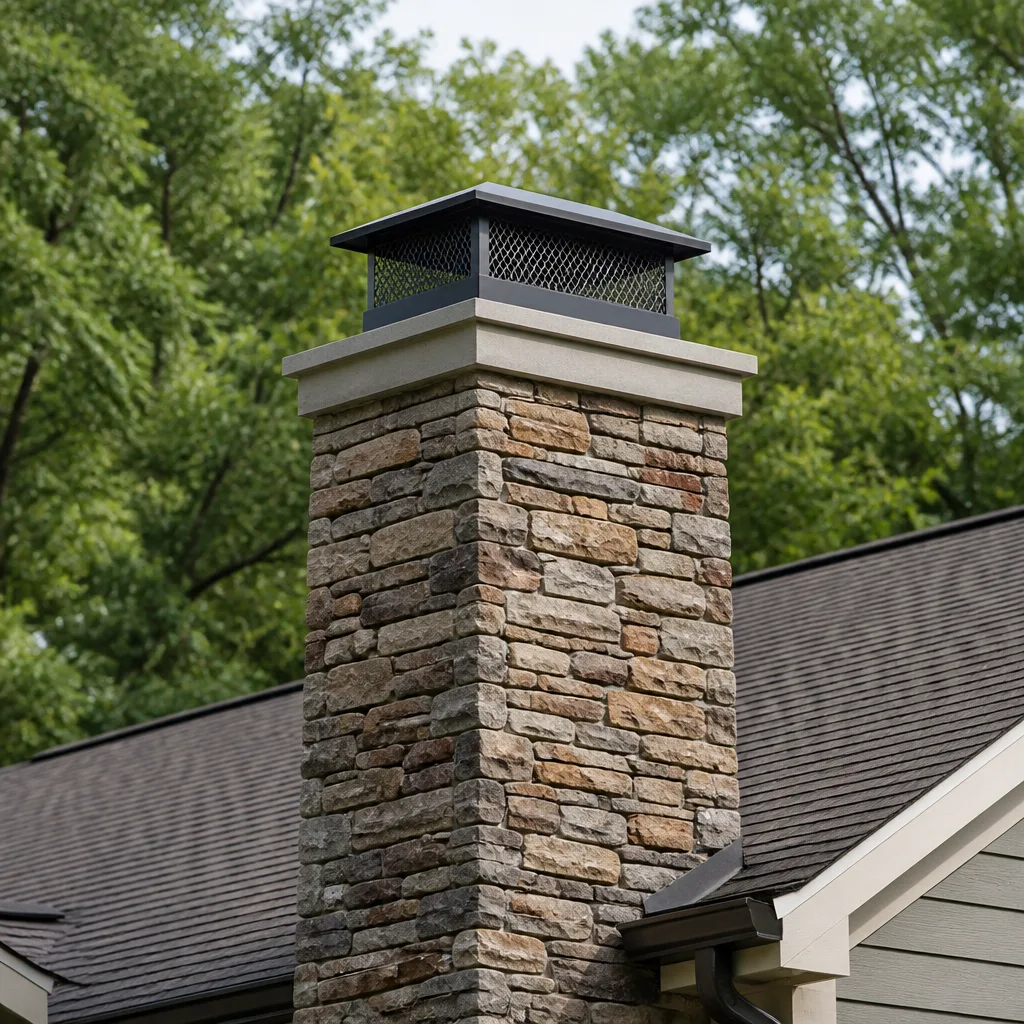 Caps & crowns
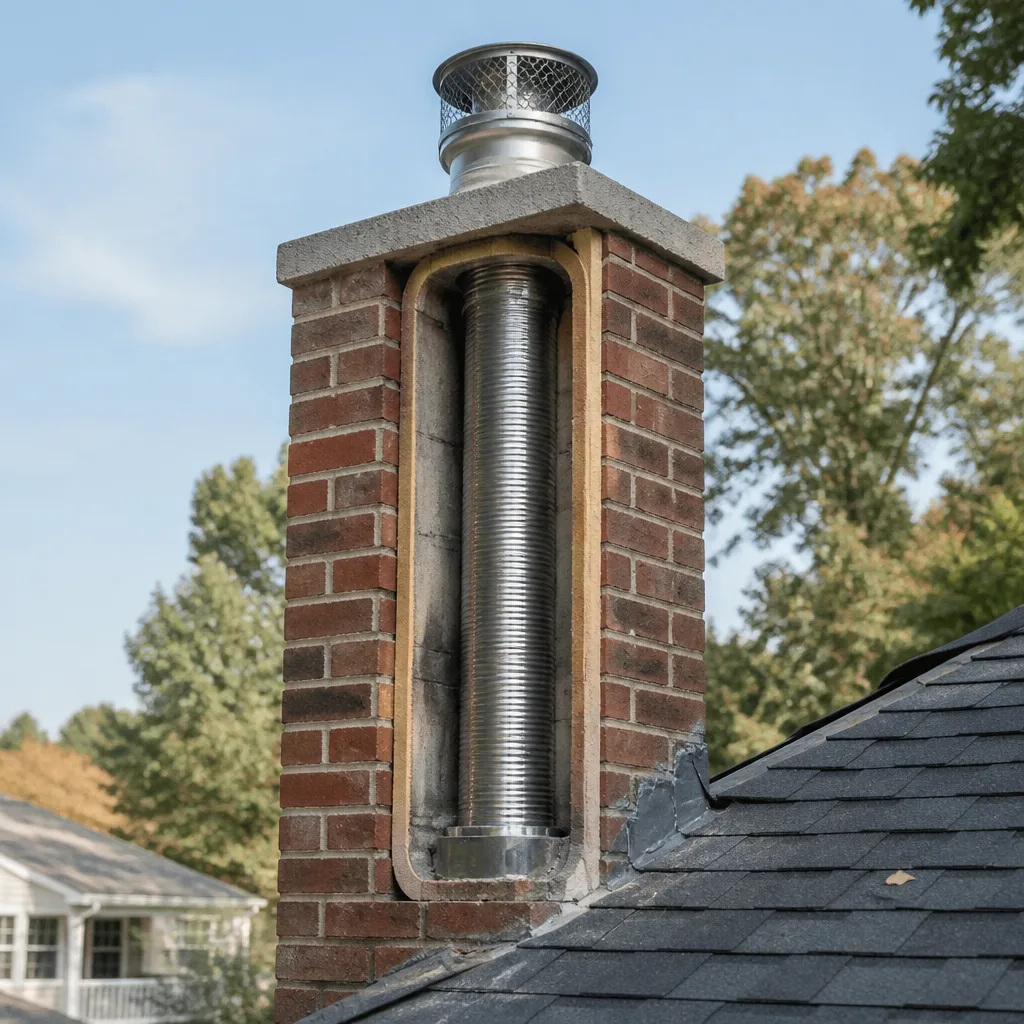 Flue relining
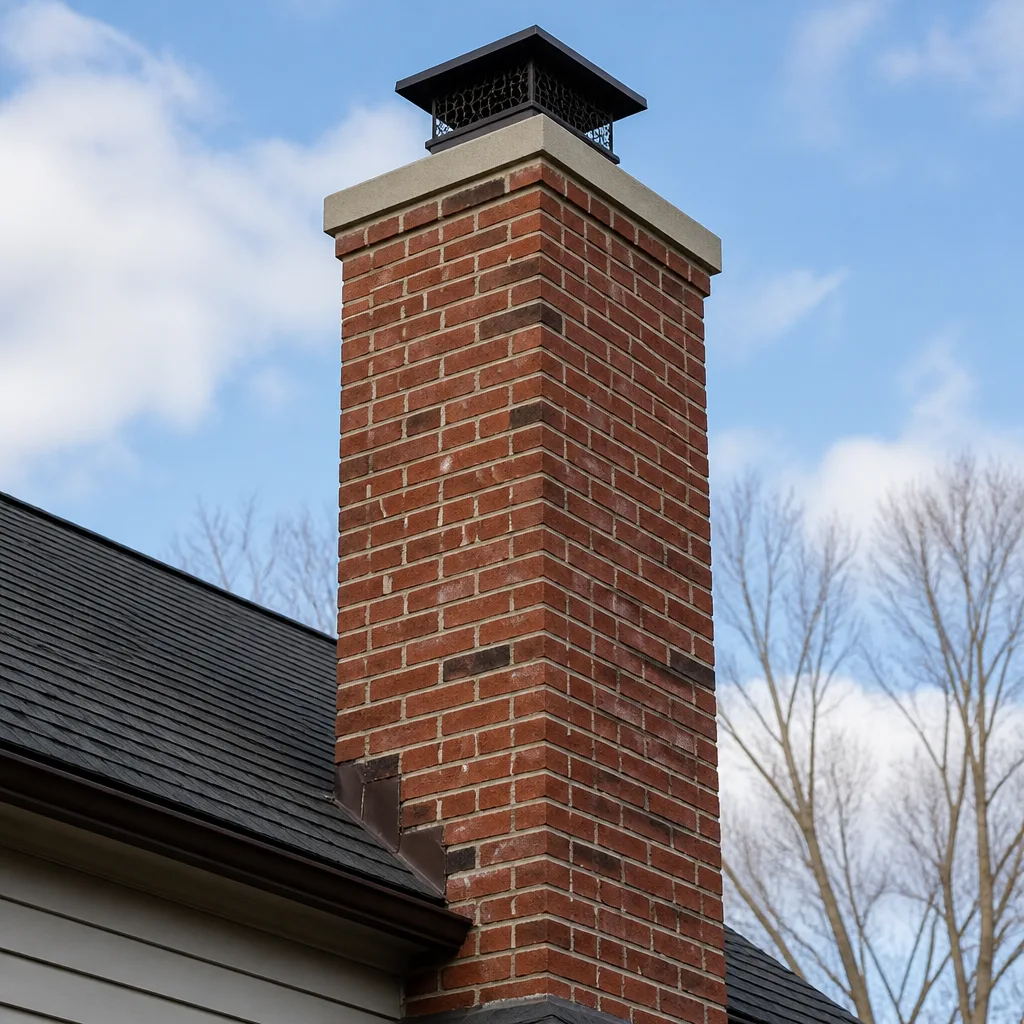 Masonry repair
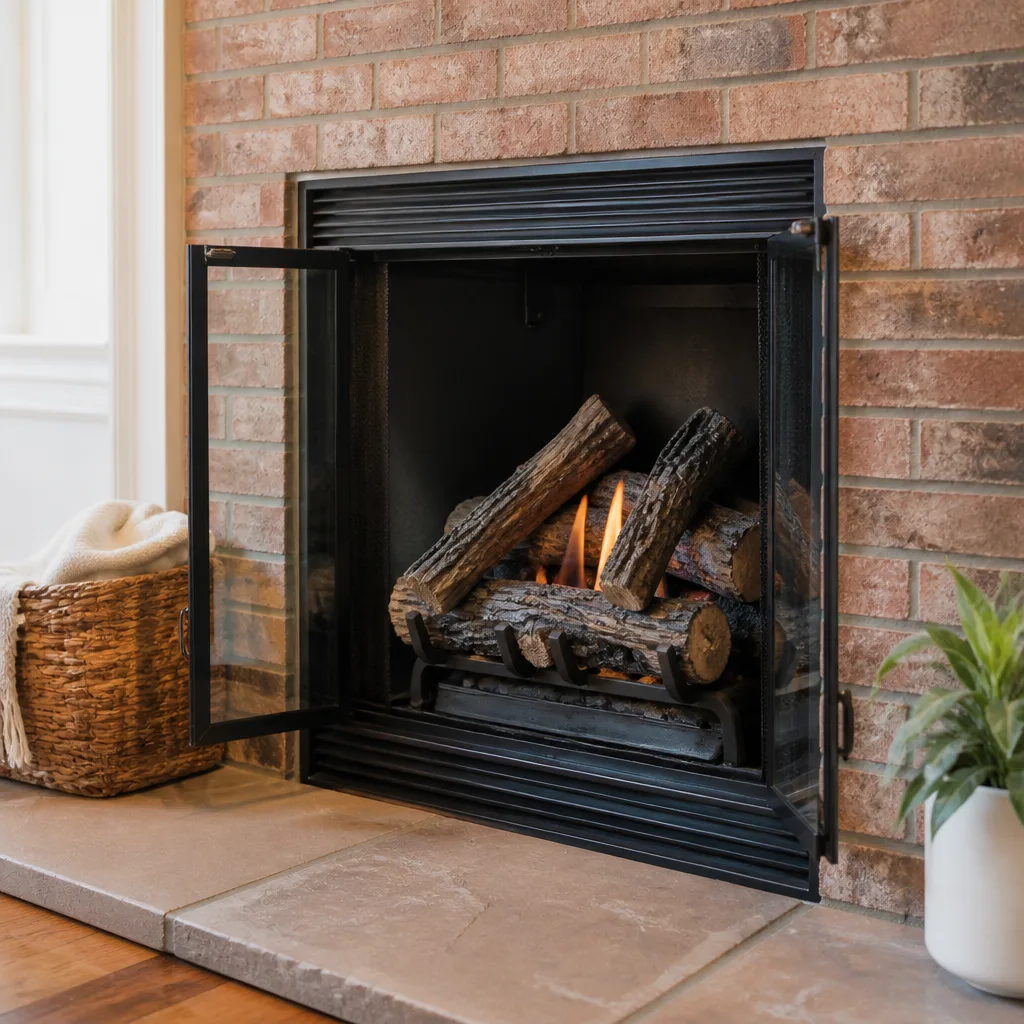 Gas fireplace service
Level 1 sweep and inspection to the NFPA 211 annual standard - flue, crown, cap, and flashing checked and photographed
Chimney sweep logs do not sweep chimneys. They loosen some creosote - which then falls where a brush and vacuum still have to collect it.
Chimney Sweep Maintenance Checklist for Forest Hills Homeowners
Most chimney checklists are written for a house that sits alone in a field. Forest Hills isn’t that place. Attached row houses and semi-detached homes share flue walls with neighbors, which means a crack in your chimney is never only your problem. A carbon monoxide problem can migrate through a shared wall before anyone in your household smells anything. Add the freeze-thaw cycles that hammer Queens masonry every winter and you have a checklist that has to be built around what actually fails here, not what looks tidy on a template. In this guide you’ll learn how to inspect the pieces most homeowners ignore, when to time the work, and what records to keep for your insurer and for NYC DOB.
Quick Answer
A Forest Hills chimney needs a professional sweep and a documented inspection once a year, a post-winter check of masonry, mortar joints, cap, and crown, and a specific look at shared flue walls and appliance connectors in attached homes. Time your sweep before the heating season and your masonry check to the spring thaw. Anything involving cracked flue tile, a failing crown, or a gas appliance connector is a job for a trained professional, not a homeowner with a flashlight.
Styles & brands we work with
- Sweep & inspection
- Caps & crowns
- Flue relining
- Masonry repair
- Gas fireplace service
Table of Contents
- Why a Forest Hills Chimney Needs Its Own Checklist
- Shared Walls and Multi-Flue Checks for Attached Homes
- Masonry Spalling and Mortar Joints After the Winter Thaw
- Crown and Cap Condition: Your First Line Against Water
- Appliance Connectors and Flue Collars After an Oil-to-Gas Switch
- The Numbered Annual Maintenance Checklist
- Documentation to Keep for Insurance and NYC DOB Records
- What You Can Check Yourself and What You Can’t
Why a Forest Hills Chimney Needs Its Own Checklist
Forest Hills runs on brick. The housing stock here spans early-1900s row houses, semi-detached homes with a party wall down the middle, and post-war apartment buildings with their own flue stacks. Each of those shapes your chimney maintenance in a different way. A detached house in the suburbs loses heat and water on its own schedule. A Forest Hills row house shares a masonry mass with the house next door, so moisture that gets into your crown can travel through the shared brick and mortar and show up as efflorescence, spalling, or a failed joint on their side.
The climate works on that brick every year. Queens gets a real freeze-thaw cycle each winter and a high-precipitation profile across the year. Water soaks into porous brick and mortar, freezes, expands, and pushes the surface off. That’s spalling. It’s slow at first and fast once it starts, because the more surface you lose, the more water the brick holds next season.
What actually fails in Forest Hills, in order of how often we see it:
- Crown and cap damage from freeze-thaw and standing water, which then lets moisture into the flue.
- Mortar joint erosion on stacks exposed to wind and rain on the roof line.
- Flue tile cracks in older chimneys that have been converted from oil or coal to gas.
- Appliance connector corrosion where a furnace or boiler was swapped and the venting wasn’t updated.
- Shared-wall leaks in attached homes where one side’s crown fails and water tracks into the party wall.
The good news: none of those failures is instant. They announce themselves over one or two seasons. A checklist that catches them at the right time turns a run of small repairs into routine upkeep instead of a rebuild. If you’re starting from a chimney you’ve never had looked at, the place to begin is chimney sweep plus a documented inspection, so you have a baseline to work from.
Shared Walls and Multi-Flue Checks for Attached Homes
If your Forest Hills home shares a wall with a neighbor, your chimney checklist has to include the party wall. In a semi-detached house the flues can run parallel and share the central masonry. In an older row house the stack may host more than one flue from more than one unit, or serve a fireplace on each side of the wall. A crack in the flue tile on your side can pass combustion gases into the shared masonry, and from there into the structure. That’s why the opening hook of this guide leads with carbon monoxide: it’s a shared-wall problem as much as a flue problem.
What a shared-wall inspection should cover:
- Each flue, individually. Camera inspection of every flue in the stack, not just the one you use. A flue serving a neighbor still affects the shared structure.
- The chimney top, viewed from above. Are the flues separated properly? Are there gaps between the flue liners and the crown?
- The party wall on the interior. Any staining, soft plaster, or musty smell at the chimney breast can indicate moisture traveling through shared masonry.
- Draft behavior. Multiple flues in one stack interact. If your neighbor adds a furnace or changes an appliance, the draft on your side can change too.
We work on the whole system, not just the visible soot, and in attached homes that means looking at the stack as one unit and the individual flues as parts of it. In our experience, shared flues in Forest Hills fail quietly because nobody has reason to look at a flue they don’t use. If you’ve never had the flue next to yours inspected, that’s a reasonable starting point before the next heating season.
Masonry Spalling and Mortar Joints After the Winter Thaw
Spring is the single most important time to inspect Forest Hills masonry. Every winter the brick absorbs moisture and freezes, and every thaw lets that moisture move and soften the surface. Post-thaw is when the damage shows up. It’s also when you have the longest runway to schedule a repair before the next heating season.
The two things to look for:
- Spalling brick. Look for brick faces that have flaked off, leaving a rough, crumbling core. Once the face is gone, the brick absorbs water much faster than before.
- Eroded mortar joints. Run a finger along a joint that’s not easily reachable from the ground – a professional looks at this from the roof. Joints that are recessed, sandy, or missing need repointing, and the repointing has to match the original mortar type. Hard mortar on soft historic brick accelerates the damage it’s supposed to fix.
Repair is not always a rebuild. Two professional options keep the work smaller when the damage is caught early:
- Repointing restores the mortar joints without replacing brick.
- Crown rebuild or repair stops water at the top of the stack, which is where most of the damage originates in the first place.
If the flue tile itself is spalling inside the chimney, a HeatShield resurfacing application can restore a cracked or deteriorating flue without full demolition. That option matters in Forest Hills because the alternative on a shared-wall chimney is disruptive to two households, not one. You can read more about structural options on our chimney repair page. Schedule the masonry review in the spring, right after the last sustained freeze, and you’ll catch most of what the winter did.
Crown and Cap Condition: Your First Line Against Water
The crown is the concrete or mortar surface at the very top of the chimney that slopes water away from the flue. The cap is the cover overhead that keeps rain, birds, and debris out of the flue. Together they are the chimney’s first line of defense, and in Forest Hills’ high-precipitation climate they take more abuse than any other part of the system. Moisture damage is the leading cause of chimney repairs in this borough, and most of it starts at the top.
What to check on the crown:
- Hairline cracks. Small cracks let water in, freeze, and widen over a season.
- Separation from the flue tile. The crown should bond tightly to the flue liner. A visible gap is a path for water directly into the chimney interior.
- Slope. The crown should shed water away from the flue. Flat or backsloped crowns hold water instead.
What to check on the cap:
- Coverage. The cap should overhang the flue on all sides. An undersized cap lets wind-driven rain in.
- Attachment. A cap that’s loose in wind is a cap that will end up on the roof, not on the chimney.
- Mesh condition. Stainless mesh stops animals and sparks. Rusted or torn mesh lets both through.
- Venting. A cap needs proper airflow for the flue to draft. A tight or wrong-sized cover can cause smoke problems inside the house.
Cap and cover work using Gelco and Famco products is something we do alongside a sweep, and combined with a Copperfield stainless cap it addresses the root cause of most debris, moisture, and animal intrusion at the same appointment. If your crown or cap has visible damage, our chimney cap & crown service is the place to start. Don’t wait for water damage to show up on the ceiling below before you look up at the crown.
Appliance Connectors and Flue Collars After an Oil-to-Gas Switch
Many Forest Hills homes have swapped an oil furnace or boiler for gas without rethinking the chimney. That’s a problem, because gas and oil vent differently. Gas appliances produce more water vapor in the flue, which is why so many converted chimneys show up with deteriorated flue tile and corroded connectors a few seasons into the new setup. An oil-to-gas conversion on an older chimney often requires a properly sized, properly lined flue to run correctly.
What the check should cover:
- The appliance connector. The metal pipe running from the furnace or boiler to the chimney. Look for rust, corrosion, or a connector that doesn’t slope up toward the flue.
- The flue collar. Where the connector enters the chimney, the collar should be sealed and the flue should be the right size for the appliance.
- The flue liner itself. A gas appliance in an oversized unlined flue won’t draft reliably. A DuraFlex or Olympia Chimney flexible liner brings the flue back into spec for the appliance that’s actually venting into it.
- The chimney top. Gas flues condense more water than oil flues did. If the crown or cap is marginal, gas will speed up failure.
We’re authorized to work with DuraFlex and Olympia Chimney liner systems, which means when a sweep finds a converted chimney venting poorly, we can reline it rather than simply cleaning around the problem. If you’ve had an oil-to-gas switch in the past few years and the chimney hasn’t been inspected since, put that on the list before the next heating season. It’s one of the most common blind spots we find in Forest Hills.
The Numbered Annual Maintenance Checklist
Here’s the checklist we’d hand a Forest Hills homeowner if we could only give them one page. Do the interior items yourself any time. The roof and flue items require a professional.
- Before heating season, book the sweep. Annual sweep and a documented inspection, with camera evidence of the flue interior. Keep the report.
- Walk the interior chimney breast. Look for staining, soft plaster, musty smells, or efflorescence at the chimney breast, base, or where the flue meets the ceiling. Any of these can indicate hidden moisture.
- Check the appliance connector. Look for rust, corrosion, or a loose connection at the furnace or boiler. If anything looks off, stop using the appliance and get it professionally assessed.
- Post-thaw, look at the exterior. From the ground, check for brick faces flaking off, missing mortar, or a visible gap at the crown. If you see any, get a roof-level assessment.
- After every significant weather event, glance up. Wind, ice, and snow dislodge caps and open small cracks. A quick look from the yard catches most of it.
- Keep the firebox clear. Remove ash regularly, never store combustible material near the firebox opening, and don’t burn green or treated wood.
- File the documentation. Save inspection reports, photos, and invoices. In shared-wall homes, share the report with your neighbor if the chimney structure is common.
That’s the annual sequence. If you do only one thing on the list, do the sweep plus inspection. Everything else on this checklist depends on knowing what condition your flue is in first.
Documentation to Keep for Insurance and NYC DOB Records
A chimney’s paperwork matters more than most homeowners expect. A documented inspection is what turns a chimney problem from a claim dispute into a straightforward repair. It’s also what you hand a buyer if you’re selling the house, and what you show a co-op board or building manager if the chimney serves more than one unit in an attached building.
Keep these records:
- The inspection report itself. Include the date, the condition of the flue, the condition of the crown and cap, and any recommended repairs with photos. A standalone inspection is a full documented assessment, not a checkbox on a sweep invoice.
- Camera photographs or video of the flue interior. These are the evidence that supports a claim, and the evidence that proves a repair was justified.
- Invoices for every repair. Sweep, cap, crown, liner, and masonry work. If an insurer asks for a chain of maintenance, you’ll have it.
- Any permits or filings related to the chimney. If chimney repair work required a permit in Forest Hills, keep the permit documents and any final inspection sign-off with your home records.
- A simple maintenance log. One page per year: date of sweep, date of inspection, what was done. Five minutes of writing saves hours later.
If you’re buying or selling a home in Forest Hills, an inspection before closing gives you leverage either way. A chimney with documentation is worth more than a chimney with a promise. And a report that says what your chimney needs, and what it doesn’t, is the most useful document you can hand a buyer.
What You Can Check Yourself and What You Can’t
We’re not going to tell you to climb onto your Forest Hills roof. Steep-roof work and heights are a genuine safety risk, and a chimney cap or crown inspection from a ladder above the roofline isn’t a homeowner task. But there’s a useful middle ground.
Ground-level checks you can and should do:
- A visual scan of the exterior brick and mortar from the yard, ideally with binoculars.
- A look inside the firebox for staining, loose brick, or debris.
- A check of the appliance connector where you can see it safely.
- A check that the damper opens and closes freely.
- A glance at the chimney breast inside the house after rain and snow, looking for moisture signs.
What you shouldn’t do yourself:
- Open the firebox or flue to inspect the interior. A camera inspection is the only way to see a flue tile crack, and a flue tile crack is the thing that matters most for safety.
- Clean the flue. A sweep done without the right brushes and drop cloth risks creosote spread inside the living space and misses the creosote that sets up as glaze on the flue walls.
- Anything involving the gas appliance connector. Gas lines are dangerous. A trained professional should be the only one disconnecting or adjusting a gas appliance connector.
- Roof-level work. Cap replacement, crown repair, and masonry repointing above the roofline are professional jobs.
If your own check turns up something that worries you, stop there and get a professional to look at it. Safety is the reason to act, and the risk in a Forest Hills chimney is a shared-wall flue crack that shows no symptom inside the house until it shows up all at once. A trained technician will tell you what’s actually wrong, and what can safely wait.
Common Mistakes to Avoid
- Skipping the inspection because the sweep looked fine. A clean flue and a healthy flue are two different things. A sweep clears soot and creosote; it doesn’t see a hairline crack in the flue tile unless there’s a camera going up and a report coming down.
- Cleaning the flue yourself when you don’t know what you’re looking at. DIY brushes leave creosote behind on the flue walls, and they miss the glaze stage that’s the real fire hazard. You’ll feel like you saved money until the inspection says otherwise.
- Ignoring the crown because the cap looks fine. The cap handles overhead water. The crown handles water running across the top of the stack. They fail on different timelines, and in Forest Hills’ freeze-thaw cycle the crown is often the first to go.
- Assuming an oil-to-gas conversion was vented correctly. A gas appliance in an oversized or unlined old flue drafts poorly and condenses more water than an oil flue did. The venting has to be checked against the appliance that’s actually there.
- Not telling your neighbor in a semi-detached home. Your crown failure can become their moisture problem through the shared masonry. A joint inspection in a Forest Hills attached home is worth the extra coordination.
- Throwing out the paperwork. Inspection reports and repair invoices are insurance evidence, buyer disclosures, and DOB-adjacent home records. A digital folder with photos costs nothing to keep.
- Scheduling a sweep in the middle of heating season and skipping the spring masonry check. The sweep in fall clears the flue. The spring check catches what the winter did to the brick. You need both, in that order.
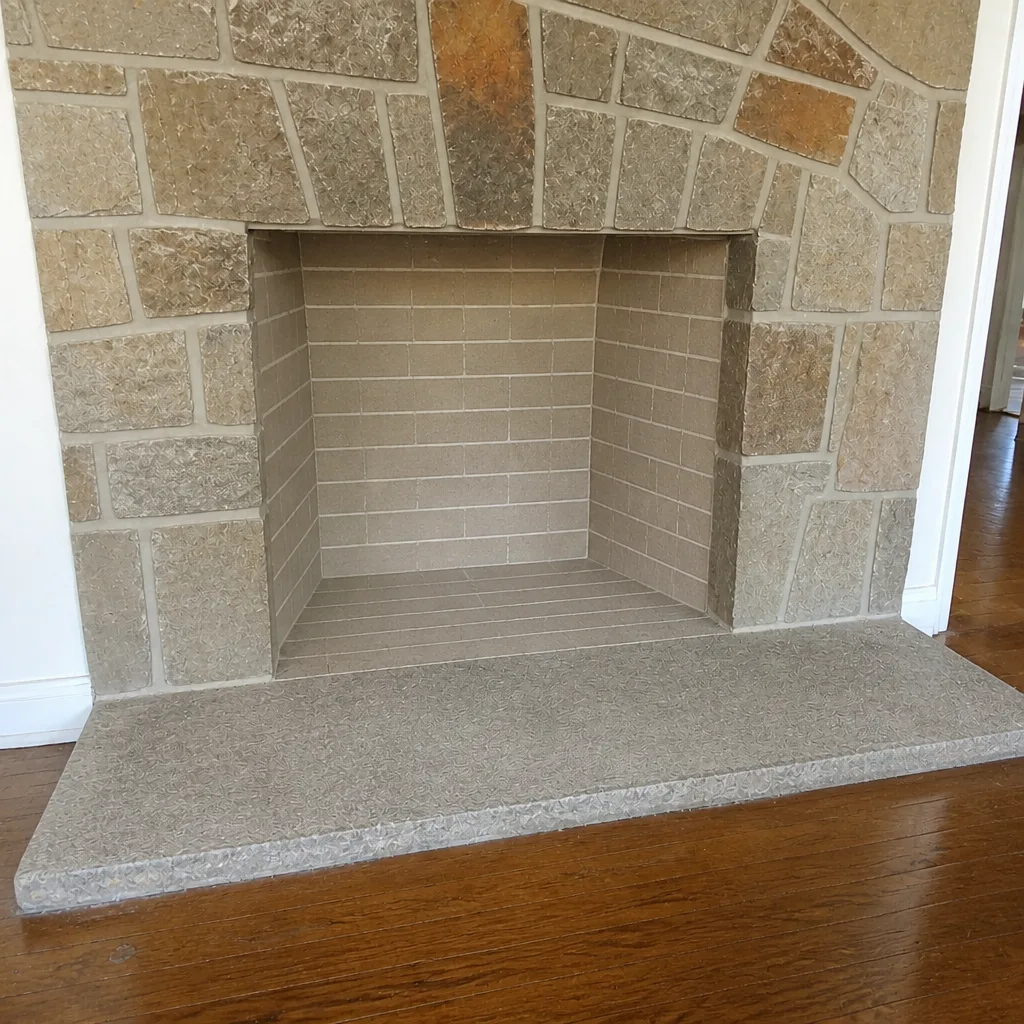
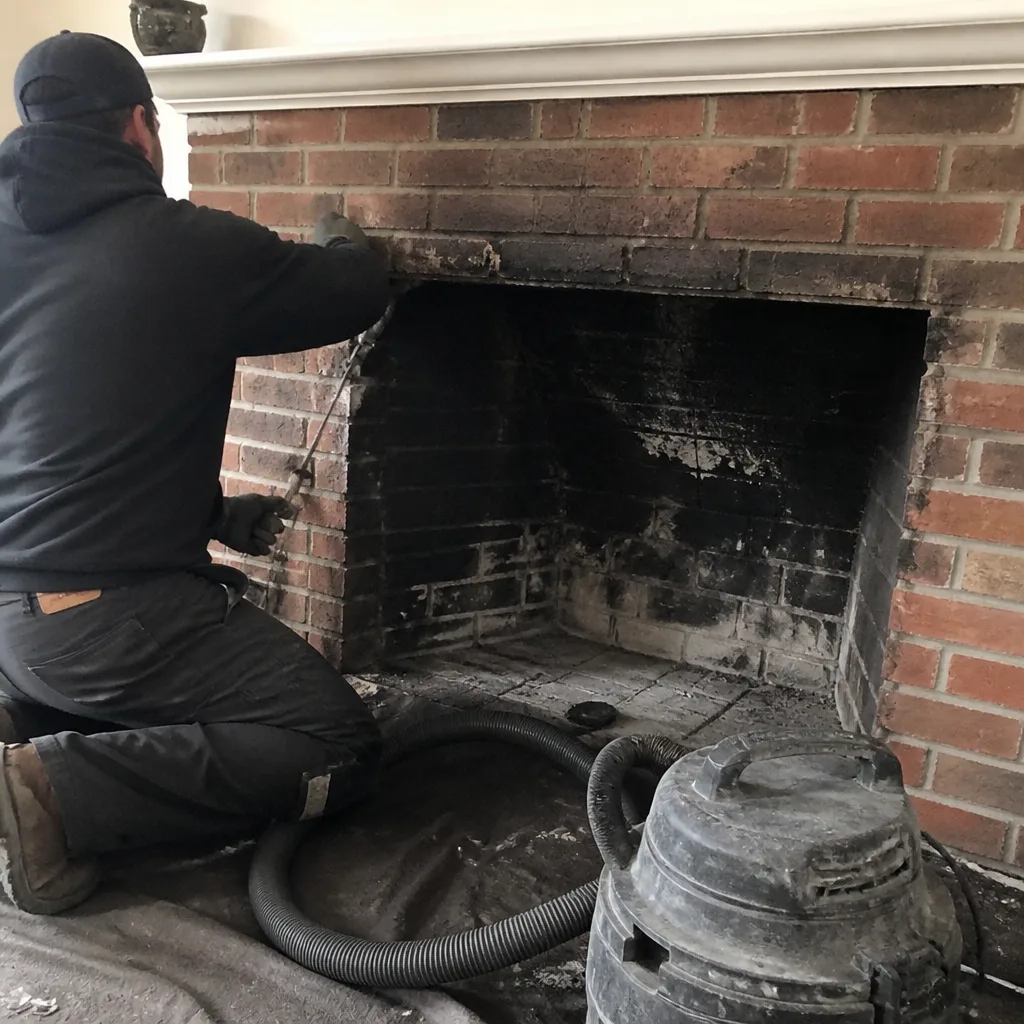
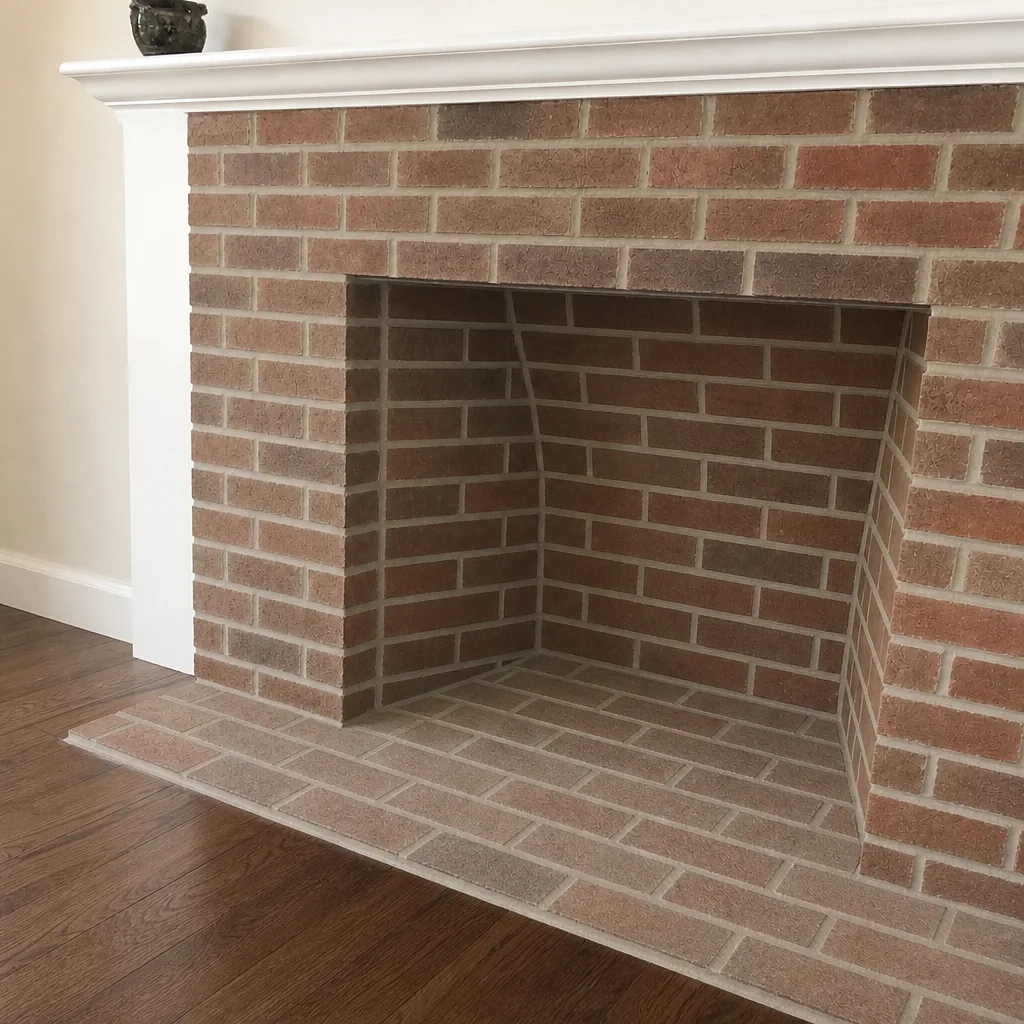
See the difference
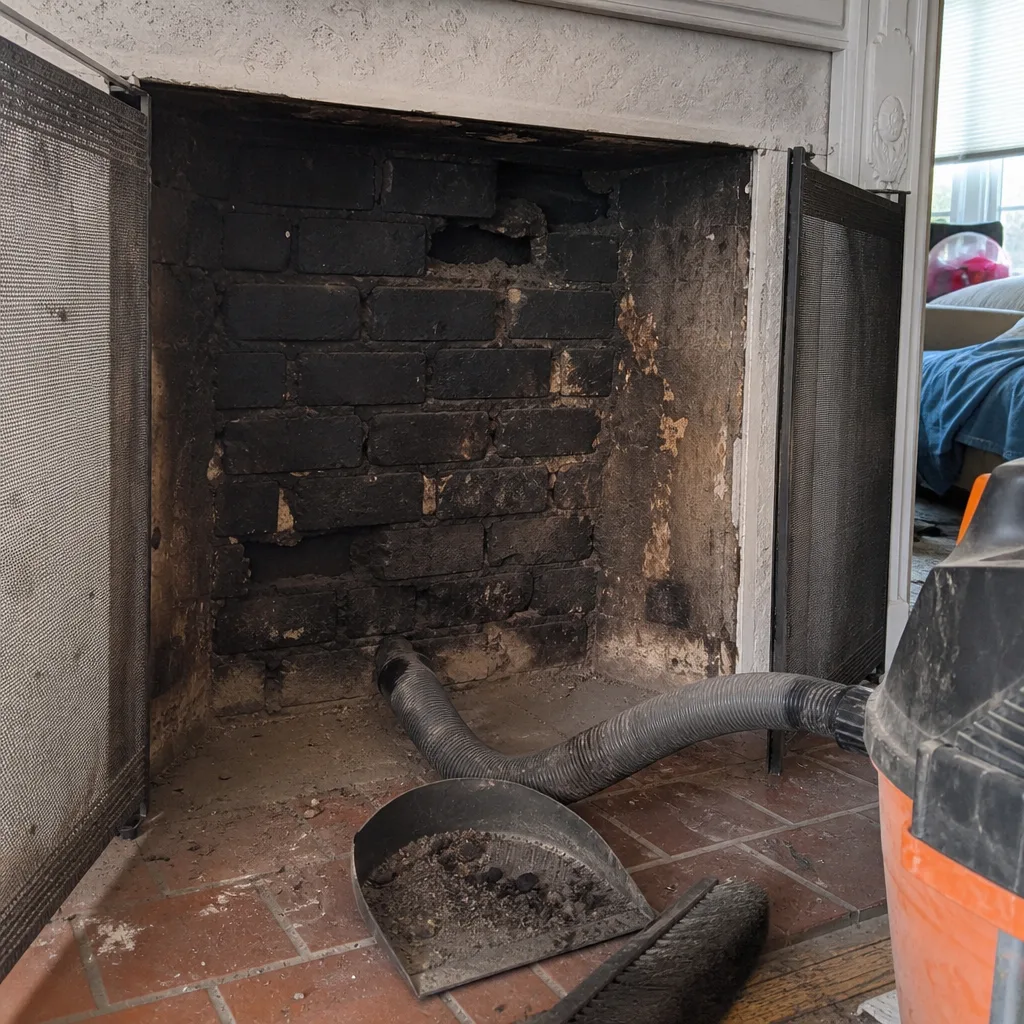 Before
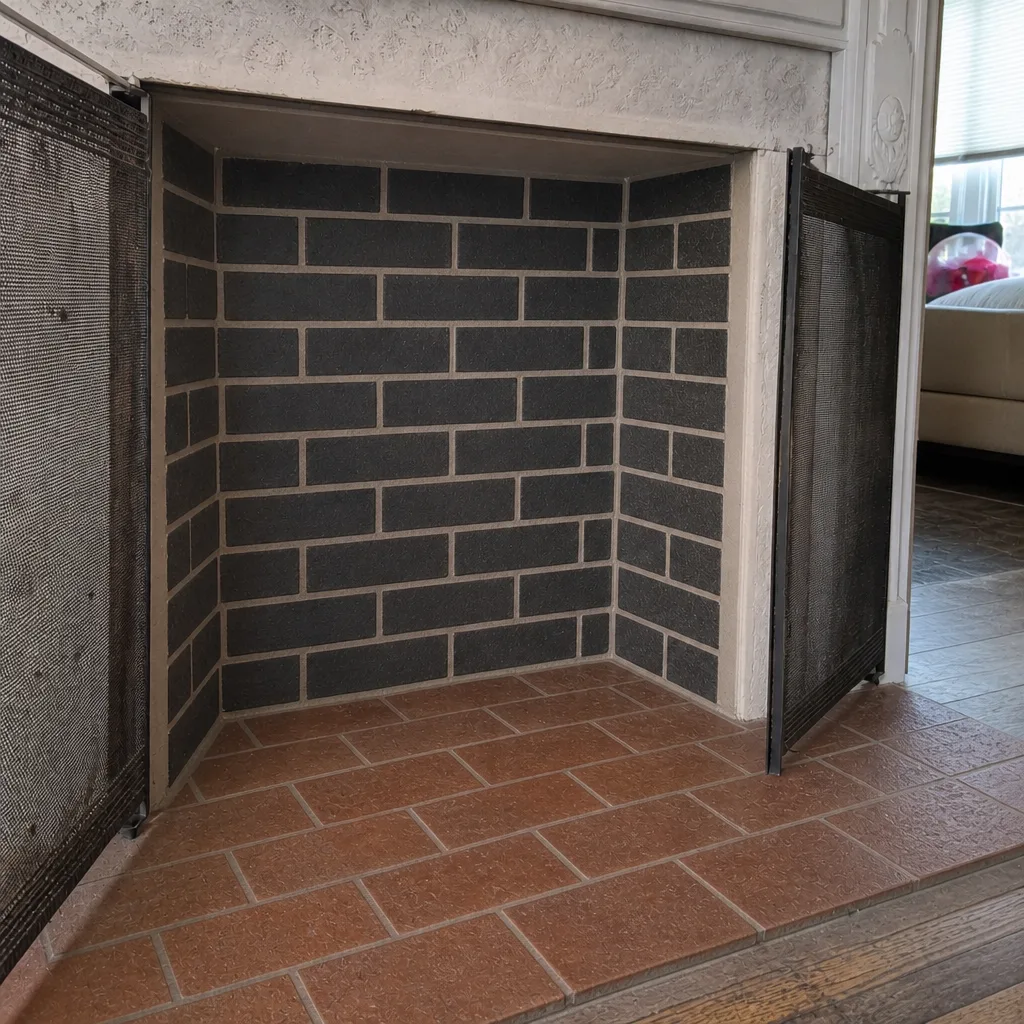 After
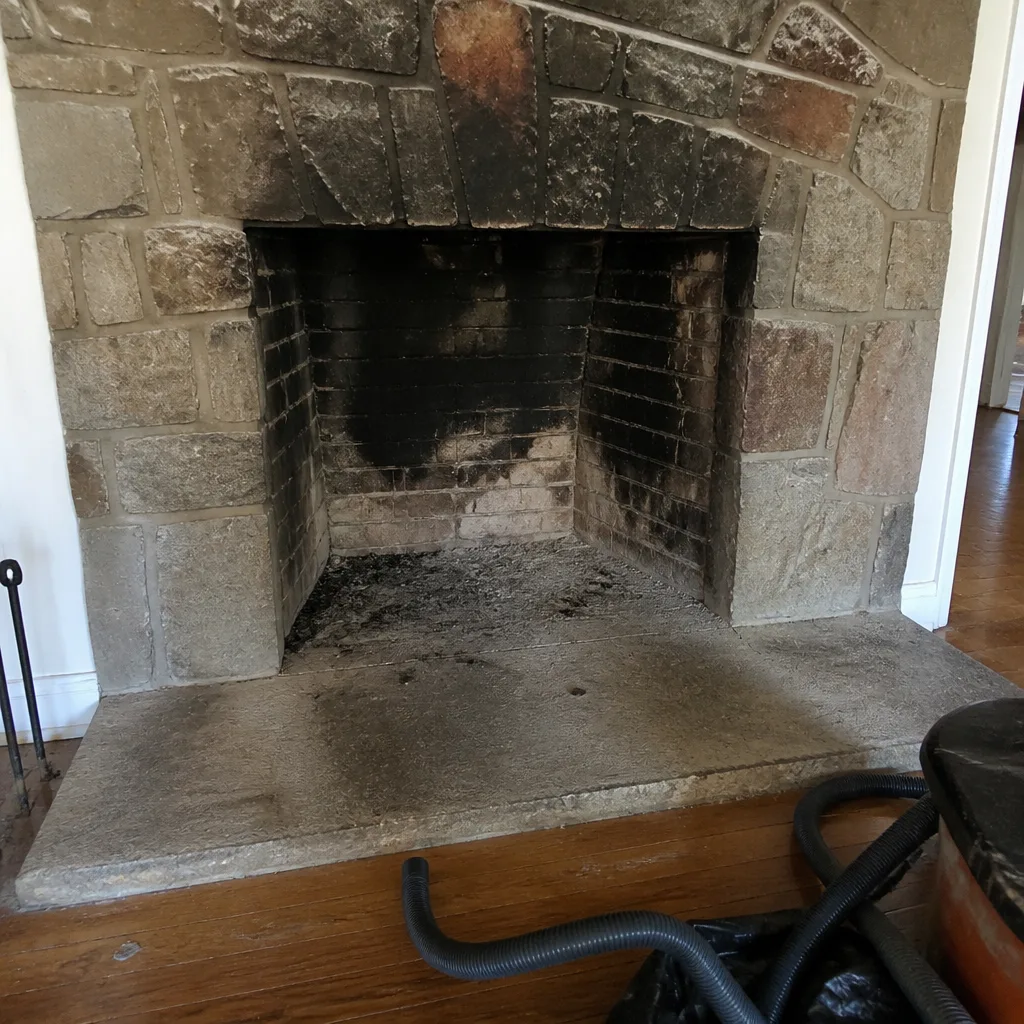 Before
 After
 Before
 After
When to Call a Professional
Call a professional for anything you can’t fully assess from the ground, and call immediately for anything that suggests a gas or carbon monoxide issue. Specifically, get a technician out if you see staining or soft plaster at the chimney breast, spalling brick or missing mortar from the yard, a crown that’s cracked or separated from the flue tile, a cap that’s loose or missing, rust at an appliance connector, or any warning sign of a shared-wall flue problem in an attached Forest Hills home. Also call if your chimney hasn’t been swept and inspected in the past year, and if you’re buying or selling a house and need a documented report. You don’t need to know what’s wrong before you call; the point of a professional inspection is to find out and show you evidence you can see. Chimney Sweep Forest Hills offers free estimates in Forest Hills by calling (855) 410-4917. Our technicians have up to 8 years of experience, and a sweep that finds a problem can be paired with a written repair recommendation the same visit.
Frequently Asked Questions
Once a year, ideally before heating season, plus a post-winter masonry check in spring. The annual sweep and inspection is the baseline for any chimney used with a wood fire or a fossil-fuel appliance, and in Forest Hills the annual schedule is what prevents the freeze-thaw damage that builds up in the Queens winter. If you burn wood heavily or have a converted oil-to-gas chimney, keep the same annual cadence and don’t skip the inspection even when the sweep finds little soot. Call (855) 410-4917 for an exact quote – estimates are free.
Not always. A small area of spalled or cracked tile can sometimes be resurfaced with a HeatShield application, which restores the flue without full demolition. A flue that’s too large for its appliance, or has structural damage across the full run, will usually need a flexible liner – DuraFlex or Olympia Chimney in most cases. The determination should be evidence-based: a camera inspection photo you can see, not a recommendation on trust alone. If the damage is limited, a repair can wait; if it compromises venting, it can’t. Call (855) 410-4917 for an exact quote – estimates are free.
Creosote builds up on the flue walls, and the glazed layer that forms in a hot chimney is the fuel for a chimney fire. In a Forest Hills attached home, a flue tile crack that isn’t caught in an inspection can also let combustion gases migrate through shared masonry. The hazard is real but not sudden: skipping one season rarely turns into a problem, and skipping several reliably does. If you’ve missed more than a year, get a sweep and inspection before the next heating season and let a trained technician tell you what needs attention. Call (855) 410-4917 for an exact quote – estimates are free.
Because the flue and the masonry are shared with your neighbor. A crack in your flue tile can allow gases into the party wall, and a failing crown on one side can send water into shared brick and mortar. That’s why a shared-wall inspection looks at every flue in the stack, not just yours, and why documentation should be shared with your neighbor when the chimney structure is common. A sweep that covers individual flues in a shared stack is the correct approach. Call (855) 410-4917 for an exact quote – estimates are free.
Often yes. A gas appliance produces more water vapor in the flue than an oil appliance did, and the flue has to be correctly sized and lined for the new appliance to vent safely. In older Forest Hills chimneys that have been converted from oil to gas, the flue is often oversized or unlined, and a flexible liner sized for the actual appliance restores draft. The chimney top and crown should also be checked, since gas flues accelerate moisture damage at the crown. Call (855) 410-4917 for an exact quote – estimates are free.
Rates in Forest Hills depend on the flue configuration, how many flues are in the stack, and whether a camera inspection is included. A sweep-only visit on a standard single flue is at the lower end; a sweep plus inspection on a shared-wall attached home with multiple flues is more, because each flue is assessed separately. The written estimate sets the final price, so ask for one before you book. The estimate itself is free. Call (855) 410-4917 to schedule and get an exact quote.
The Bottom Line
A Forest Hills chimney fails differently from a suburban one. Shared walls and semi-detached configs put your flue in contact with your neighbor’s; the Queens freeze-thaw cycle attacks masonry every winter; high precipitation finds the crown and cap first; and oil-to-gas conversions leave older chimneys venting through flues that were never sized for the new appliance. Work the checklist in the right order: sweep and inspect before heating season, check the masonry after the spring thaw, keep the paperwork. If you’re not sure what condition your chimney is in, that’s what a documented inspection is for. From cap to firebox, one company can handle the sweep, the inspection, and the repair.
Call (855) 410-4917 for a free estimate and a documented inspection. We answer 24/7. Fast dispatch from 7am to 7pm, Sunday through Friday. Start at our Chimney Sweep Forest Hills homepage for the full scope of what we cover, and let a documented report tell you what your chimney needs, and what it doesn’t.
Written by the team at Chimney Sweep Forest Hills.