
Last updated November 22, 2026
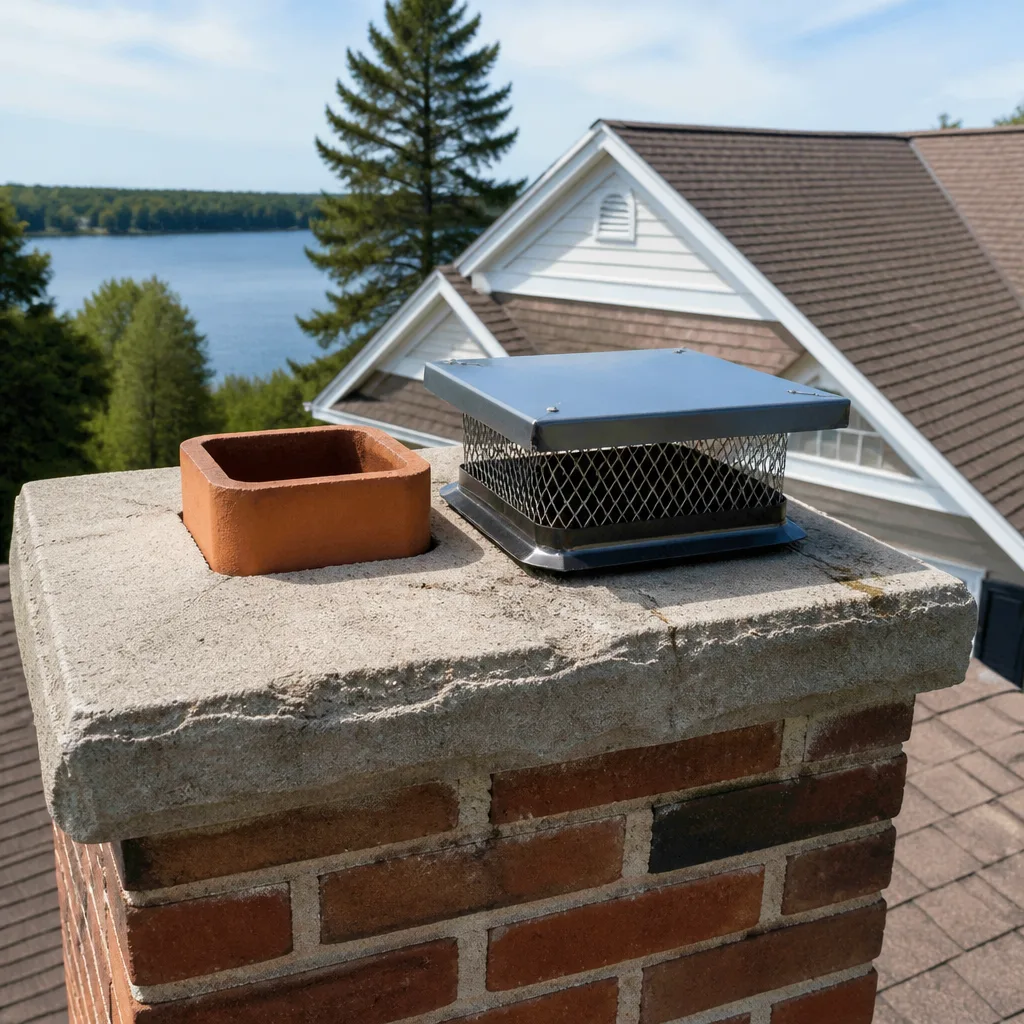 Sweep & inspection
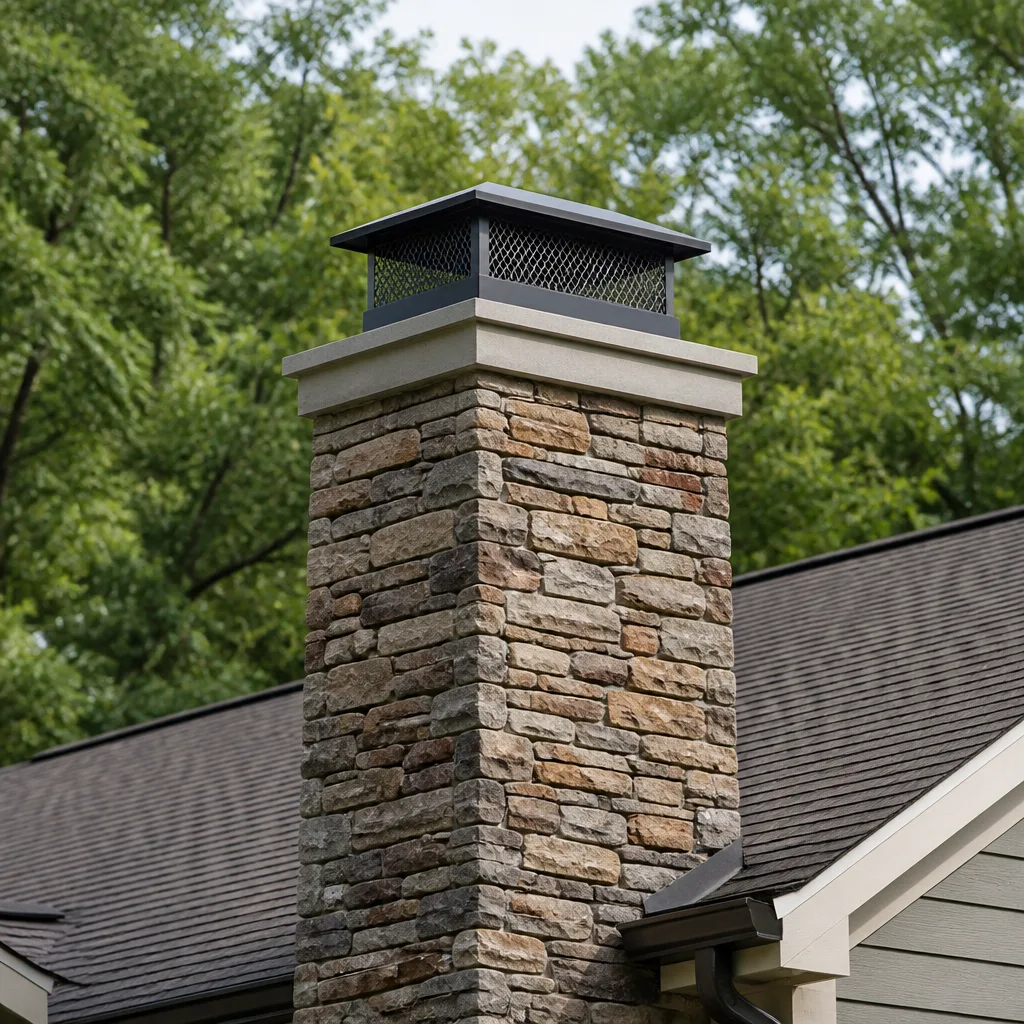 Caps & crowns
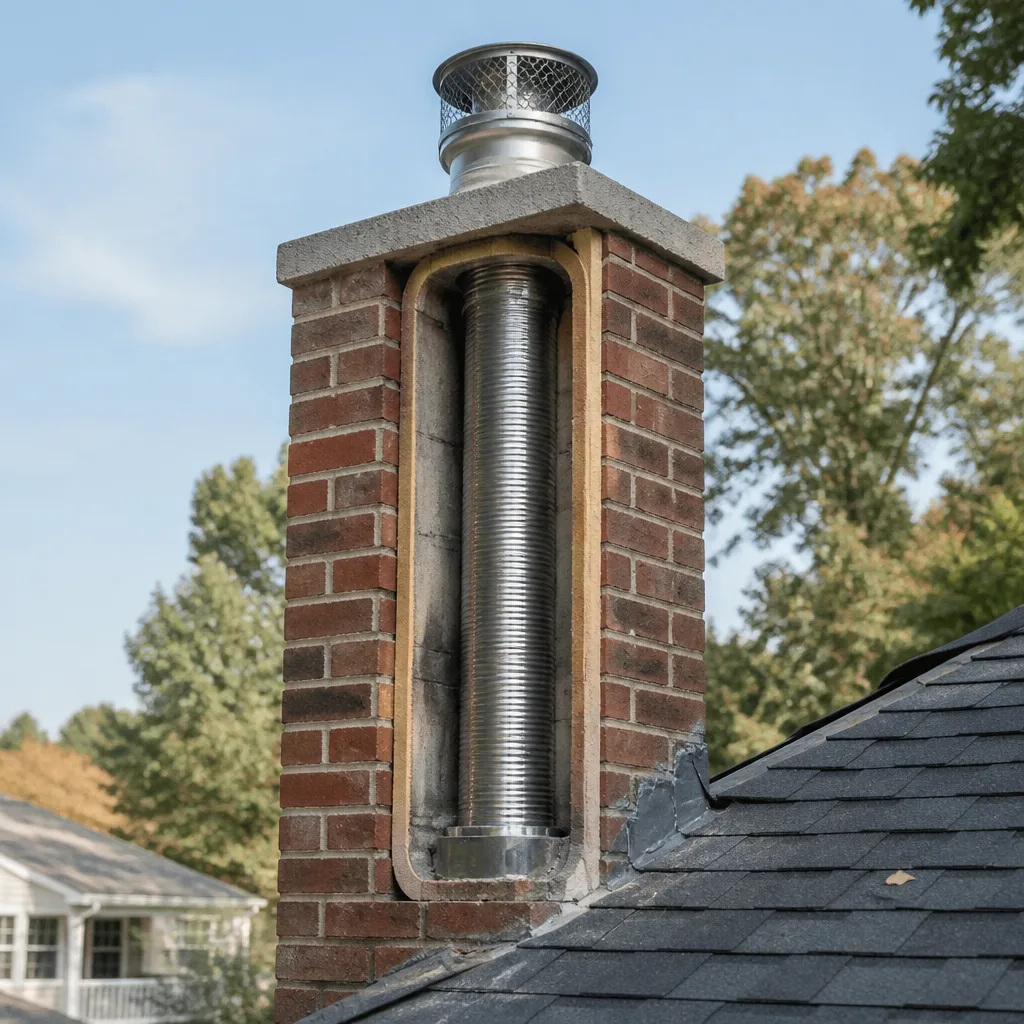 Flue relining
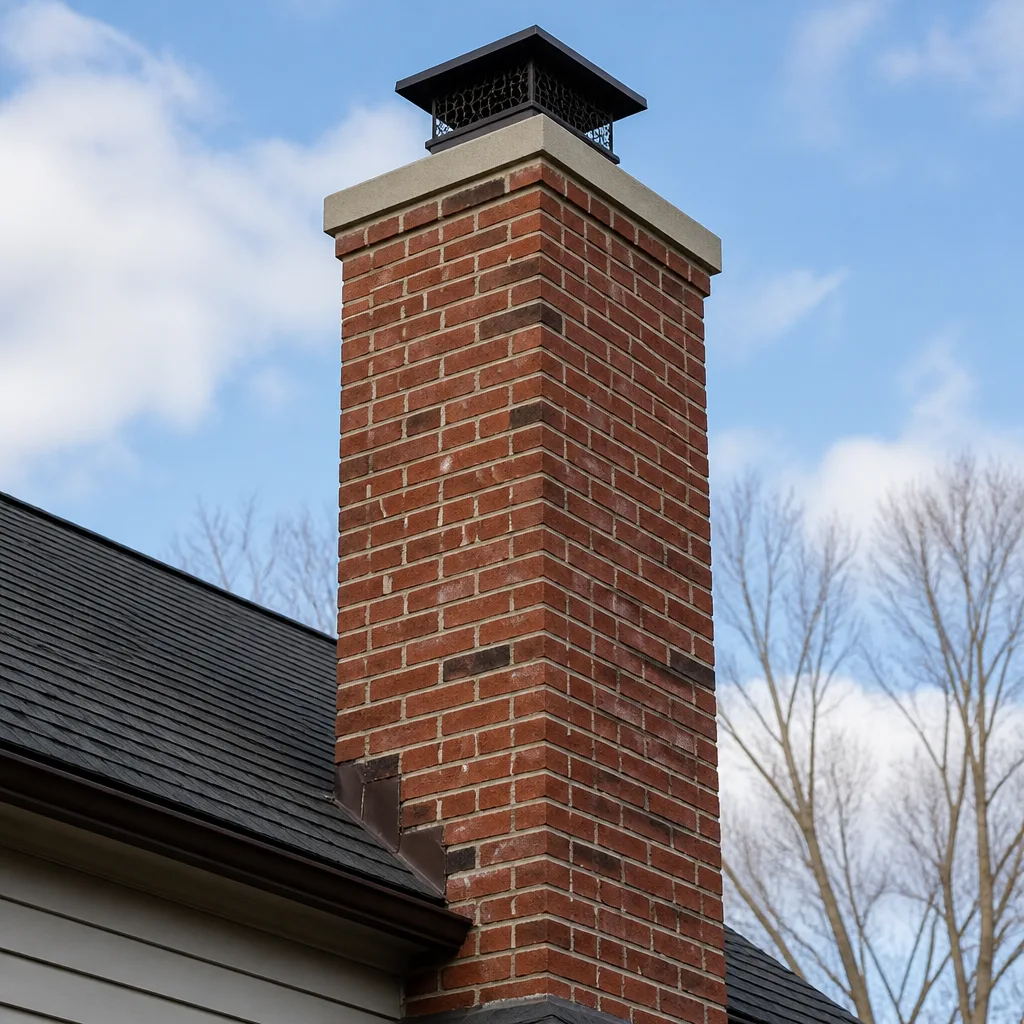 Masonry repair
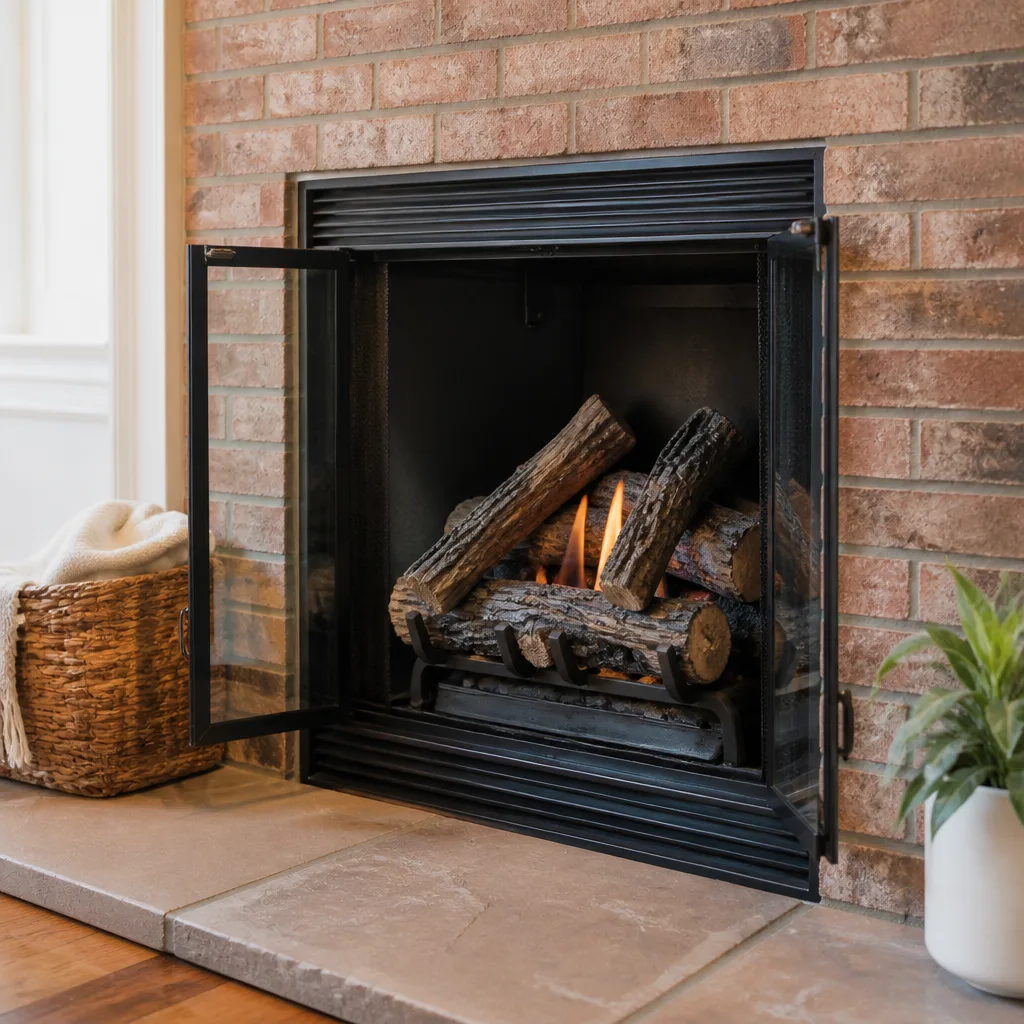 Gas fireplace service
Level 1 sweep and inspection to the NFPA 211 annual standard - flue, crown, cap, and flashing checked and photographed
Chimney sweep logs do not sweep chimneys. They loosen some creosote - which then falls where a brush and vacuum still have to collect it.
The Complete Guide to Chimney Cleaning in Forest Hills
Most chimney fires aren’t caused by neglect. They’re caused by homeowners who thought a cheap sweep covered everything it needed to. A sweep removes soot and creosote from the flue, and that matters. But it doesn’t tell you whether the liner has cracked, whether the crown is letting water into the masonry, or whether the smoke chamber is slowing your draft on cold mornings. This guide maps what chimney cleaning in Forest Hills actually involves for the housing stock here, what a thorough visit should include, and how to tell the difference between a job that was done and a job that was sold. By the end, you’ll know what to ask, what to watch for, and when work can safely wait.
Quick Answer
Chimney cleaning in Forest Hills means removing creosote and soot from the flue, then checking the whole system – liner, crown, cap, smoke chamber, and firebox – to confirm it vents safely. A proper visit combines sweeping with at least a visual inspection, and for older clay-tile chimneys it usually includes a camera look at the flue. Sweeping alone is not cleaning; cleaning restores how the system works.
Styles & brands we work with
- Sweep & inspection
- Caps & crowns
- Flue relining
- Masonry repair
- Gas fireplace service
Table of Contents
- Why chimney cleaning in Forest Hills is different from a generic sweep
- Sweeping vs. cleaning: what the difference actually costs you
- How liner material changes everything: clay tile, stainless, and cast-in-place
- The three inspection levels and when each applies to a Forest Hills property
- What a full-system sweep visit looks like, step by step
- Gas fireplaces and conversions: why you still need an annual flue check
- What chimney cleaning typically costs in Forest Hills
- How often your chimney needs cleaning – and how to know
Why chimney cleaning in Forest Hills is different from a generic sweep
Forest Hills is a neighborhood of distinct building eras, and each one leaves a chimney with its own habits. The Tudor and Colonial homes around Forest Hills Gardens and along the streets near the LIRR station were built in the early twentieth century, and many still carry their original clay-tile liners. Postwar construction farther out, toward Rego Park and the edges of Kew Gardens, brought in different masonry practices and, in some cases, prefabricated systems that vent differently again.
That matters because creosote doesn’t build up the same way in every flue. Smooth stainless behaves differently from rough clay tile. A chimney that once vented a coal or oil appliance and now serves a wood fireplace has a different interior profile than one built for wood from the start. A sweep who treats every chimney the same will miss the places where Forest Hills chimneys actually accumulate glazed creosote: at the offset, around the smoke shelf, and along the rough interior of aging tile.
Our technicians have up to 8 years of experience, and most of that time is spent reading the specific failure patterns of older Queens housing stock. We work on the whole system, not just the visible soot. That means the same visit that clears the flue also looks at the crown for hairline cracks, the cap for rust and gaps, and the firebox for mortar joints that have started to recede.
Sweeping vs. cleaning: what the difference actually costs you
A sweep removes deposits. Cleaning restores the system’s ability to vent. Those sound like the same job, and the industry often uses the terms interchangeably, but they’re not.
- Sweeping is mechanical: brushes and rods or a rotary tool clear soot and creosote from the flue walls. It’s a necessary first step, and on a well-maintained chimney it may be the only step needed.
- Cleaning includes sweeping but goes further: draft testing, a camera pass of the flue, examination of the smoke chamber and damper, and a check of the cap and crown. It answers whether the chimney will actually perform, not just whether it looks clean.
When the two get conflated, the homeowner pays for a sweep and assumes the chimney is fine. That’s how a cracked tile or a failed crown goes unnoticed for another season. The deposit was removed. The problem wasn’t. For the full scope of what we cover beyond the flue itself, see our Chimney Sweep Forest Hills overview.
Here is a simple way to think about it. If someone sweeps your chimney and hands you a receipt with no written findings, you’ve bought a sweep. A proper chimney sweep ends with a documented assessment of what the system needs and what it doesn’t.
How liner material changes everything: clay tile, stainless, and cast-in-place
The liner is the flue’s inner wall, and its material dictates how deposits form and how the chimney ages. In Forest Hills, you’re most likely to have one of three.
- Clay tile. Standard in early and mid-century homes. The joints between tiles and the rough interior surface give creosote a place to grip. As tiles crack over time – from settling, from a previous chimney fire, or from moisture cycling through freeze-thaw winters – heated gases can reach the surrounding masonry. Clay is the liner most in need of a camera inspection before anyone sweeps.
- Stainless steel flexible liner. Smooth, insulated, and reliable when installed correctly. Creosote builds more evenly and is easier to remove. The failure points to watch are the top connection at the cap and the appliance connection at the bottom.
- Cast-in-place liner. A poured refractory lining applied to the inside of the chimney. It’s durable and smooth, and it turns up in chimneys that were relined after a failure. What matters here is checking the bond at the top and bottom where the lining meets the flue opening.
For deteriorating clay tile, we can resurface the flue with HeatShield rather than recommend full demolition. That’s a repair option most sweep-only companies can’t offer, and it changes the conversation when a camera finds cracking. Where the flue is too far gone for resurfacing, we install flexible liner systems from Olympia Chimney. Either way, the recommendation follows what the camera shows.
The three inspection levels and when each applies to a Forest Hills property
Inspection isn’t one service. The trade recognizes three levels, and which one you need depends on why you’re calling.
- Level 1. A visual check of readily accessible portions of the chimney and firebox, without tools that open anything up. This is the standard annual inspection for a chimney with no known problems, no changes to the appliance, and no recent damage.
- Level 2. Everything in Level 1, plus a camera inspection of the flue and accessible attics, crawl spaces, and joints. This is the level required when you’re buying or selling a home, after a chimney fire, after an earthquake or significant chimney event, or when you’ve changed the appliance or fuel type.
- Level 3. The most involved level, used when a Level 1 or 2 inspection reveals a hidden hazard that can’t be assessed without opening up part of the chimney. It’s targeted, and it’s called for only when there’s a specific area in question.
In our experience in Queens, two situations come up most. New buyers need a Level 2 before closing, because an older chimney’s history isn’t visible from the ground. And homeowners who’ve converted from wood to gas, or who’ve moved to a new appliance, need a Level 2 to confirm the flue suits the new setup. Our inspection service stands on its own, separate from a sweep invoice, which is why it works as a documented assessment for a real estate transaction. A full chimney repair plan should always start from the level of inspection the situation warrants.
What a full-system sweep visit looks like, step by step
Here’s what a thorough cleaning visit covers, in order. If a company skips most of these, you’re paying for a partial job.
- Lay down protection. Drop cloths and a containment setup around the hearth. Soot travels, and a good visit leaves your room as it found it.
- Clear the flue. Brushes or a rotary tool sized to your liner remove soot and creosote. The tool choice depends on what the liner is made of and how heavy the deposit is.
- Examine the smoke chamber. The sloped area above the damper is where turbulence deposits creosote and where many older chimneys are poorly shaped. We check whether deposits have bridged the chamber and whether the corbeling is sound.
- Camera the flue. A camera pass shows tile joints, cracks, gaps at the top, and any offset in the flue path. You see what we see.
- Test the draft. A draft test tells you how the chimney will behave when it’s cold outside – whether smoke will spill into the room or pull up the way it should.
- Check the cap and crown. The top of the chimney is where weather gets in. We look at the crown for cracking and the cap for rust, gaps, or missing screening. Cap and cover work using Gelco and Famco products addresses moisture and animal intrusion at the same appointment as the sweep, which is why we offer chimney cap & crown work alongside cleaning.
- Write up the findings. You get the camera evidence, a plain-English summary of what needs attention and what can wait, and an estimate for anything recommended.
That’s the scope. Nothing on the list exists to pad an invoice, and every item can be shown to you on the spot.
Gas fireplaces and conversions: why you still need an annual flue check
Queens has seen a lot of wood fireplaces converted to gas, and the conversions are often done cleanly. But a gas fireplace still vents, and its flue still needs attention. The deposits are different – less creosote, more moisture and, in some setups, acidic condensation that attacks masonry and mortar over time. A flue that once carried wood smoke has to handle a different exhaust chemistry.
There are three reasons a converted fireplace still needs an annual look:
- Venting changes. A new appliance can change the draft characteristics of the flue. What worked for wood may not suit the new insert or log set, and a draft test confirms it.
- The old liner may not be appropriate. A clay flue built for wood may not be the right size or condition for the new appliance. If it isn’t, a flexible liner from Olympia Chimney or another professional-grade system fixes the mismatch.
- Carbon monoxide risk. A blocked or compromised flue can let combustion gases back into the living space. That’s a reason to check, not a reason to panic, and the check is quick.
Even a gas fireplace that’s never burned a log should be inspected yearly. The appliance is different. The need to vent safely isn’t.
What chimney cleaning typically costs in Forest Hills
Chimney cleaning in Forest Hills isn’t a single flat price. It depends on the liner, how much creosote has built up, and whether the visit needs a camera inspection. Here’s a typical range for the work, laid out line by line:
- Standard sweep (accessible flue, light to moderate deposits): typically $150-$300
- Sweep with camera inspection of the flue: typically $250-$450
- Standalone Level 2 inspection (camera, attic and crawl space check): typically $200-$400
- Heavy or glazed creosote removal: quoted per job after the camera look
- Cap and crown work: quoted per job based on the product and the repair
- Liner resurfacing or replacement: quoted per job after inspection
Those are typical estimates, not a quotation. The written estimate sets the final price. Nothing is recommended without camera evidence you can see for yourself, and we’ll tell you plainly when work can safely wait a season. Chimney Sweep Forest Hills offers free estimates in Forest Hills – call (855) 410-4917.
How often your chimney needs cleaning – and how to know
For a wood-burning fireplace used regularly through the heating season, plan on an annual sweep and inspection. That’s the baseline, and it’s the same advice whether you burn occasionally or every cold night. But the schedule isn’t the whole story. What matters is how you burn, and what’s actually happening inside your flue.
Signs it’s time, regardless of the calendar:
- A strong, sharp smell from the fireplace, especially on damp days or when the heat first comes on.
- Smoke that spills into the room when you light a fire, rather than drawing up the flue.
- Visible soot or creosote at the damper, the firebox, or the top of the chimney.
- Water staining on the chimney breast or masonry near the roofline.
- A chimney that’s had a fire, even a small one. That calls for a Level 2 inspection before anything else.
If you burn a lot of green or unseasoned wood, or you’ve had a chimney fire you didn’t act on, your chimney can need cleaning well before a year is up. The safest way to know is a camera inspection. Call (855) 410-4917. We answer 24/7. Fast dispatch from 7am to 7pm, Sunday through Friday.
Common Mistakes to Avoid
- Treating a cheap sweep as a full service. A low price often means deposits were removed and nothing was assessed. You paid for the sweep, not the diagnosis, and the crack or the crown crack went unaddressed for another year.
- Skipping the inspection after a conversion. A gas fireplace in Forest Hills still vents, and the flue needs a check to confirm it suits the new appliance. Annual inspection applies whether or not you burn wood.
- Ignoring the crown because the flue looks clean. The crown is the chimney’s weather seal. A hairline crack lets water into the masonry behind the flue, and the damage is invisible from inside the house.
- Assuming a clay liner is fine because the sweep didn’t mention it. If the visit didn’t include a camera, nobody actually looked. Clay tile cracks are the single most common finding on older Forest Hills chimneys.
- Burning unseasoned wood to save a little on the cord. Wet wood creates more creosote than the same volume of dry wood, and creosote is what fuels a chimney fire. It also makes the flue harder to clean the following year.
- Putting off cap repairs after animal or water intrusion. A missing or damaged cap lets rain, birds, and squirrels in. Cap work with Gelco or Famco products closes the opening and stops the problem at the source.
- Hiring a sweep-only outfit and then a second company for the repair. The sweep that finds a problem and can fix it on the same call saves you a repeat visit, a second diagnosis, and the risk of the two contractors disagreeing about the cause.
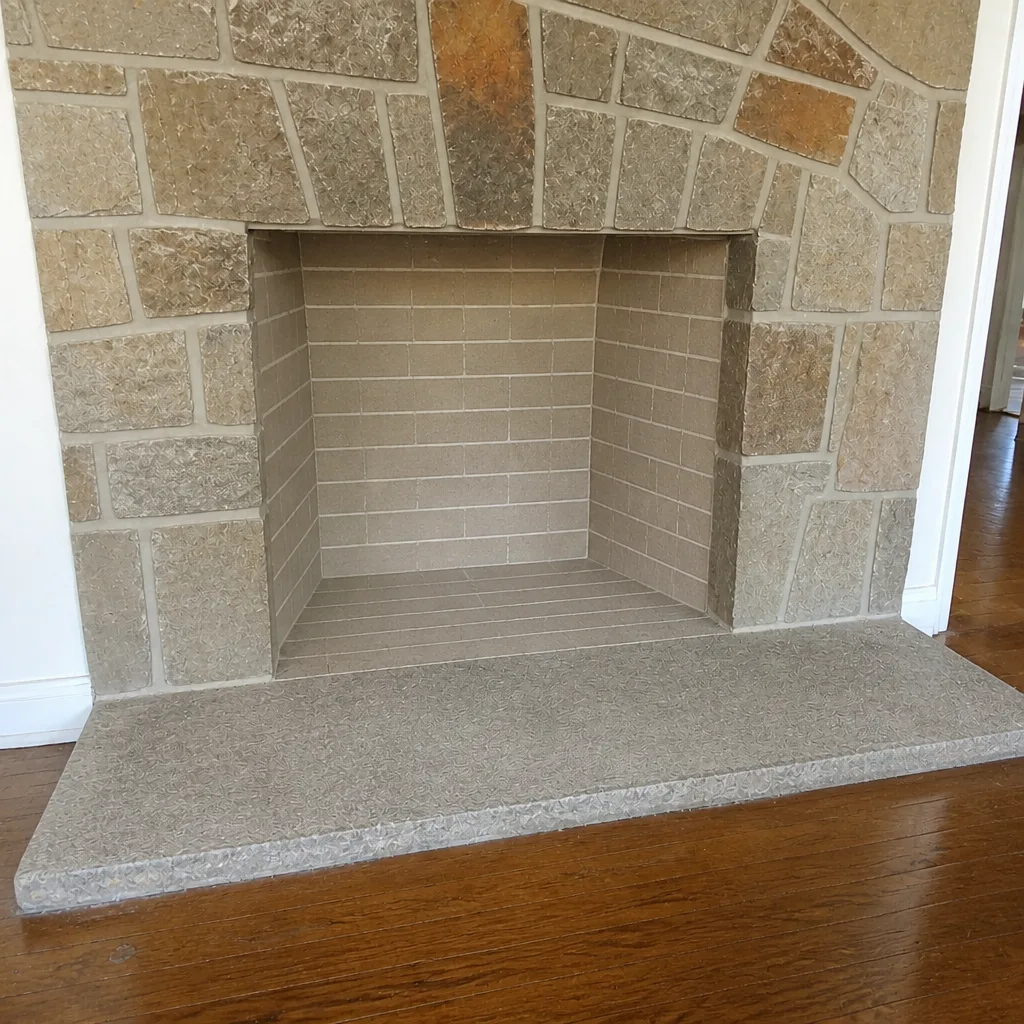
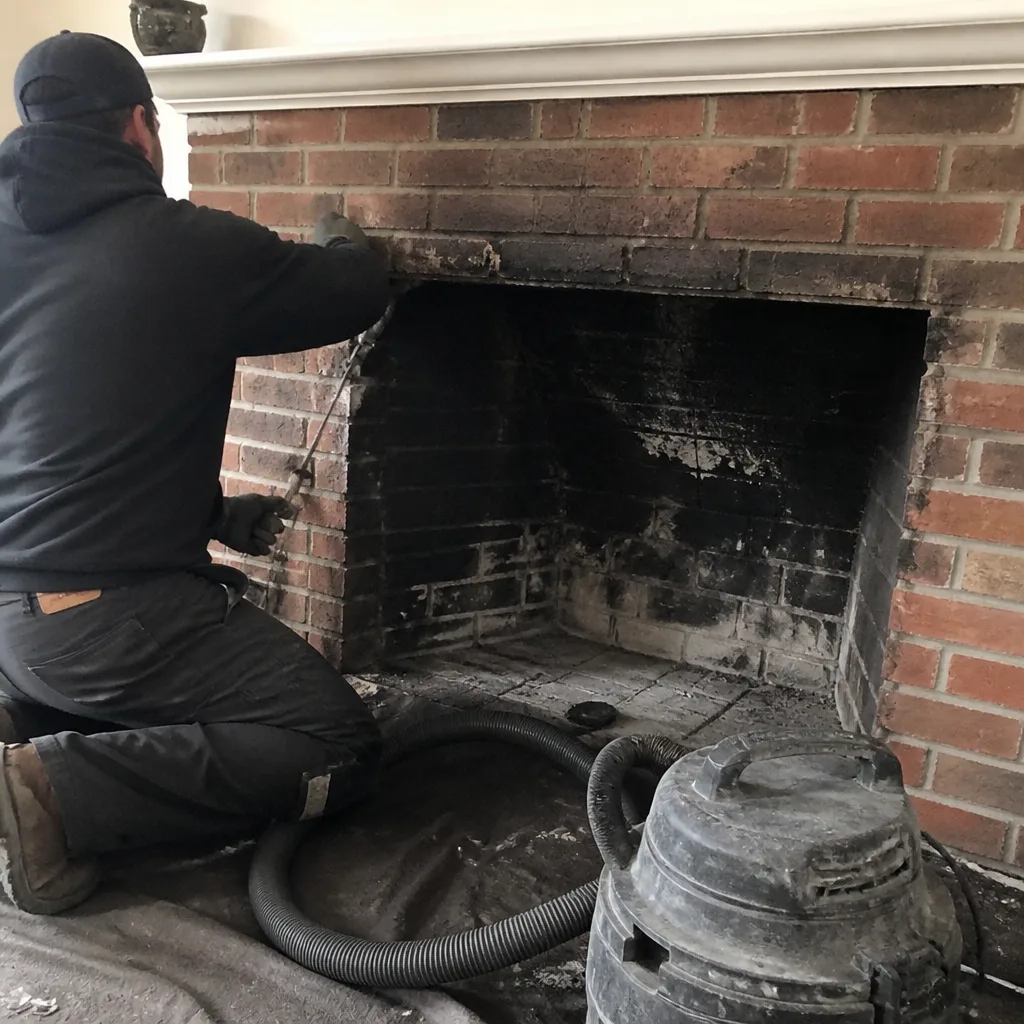
See the difference
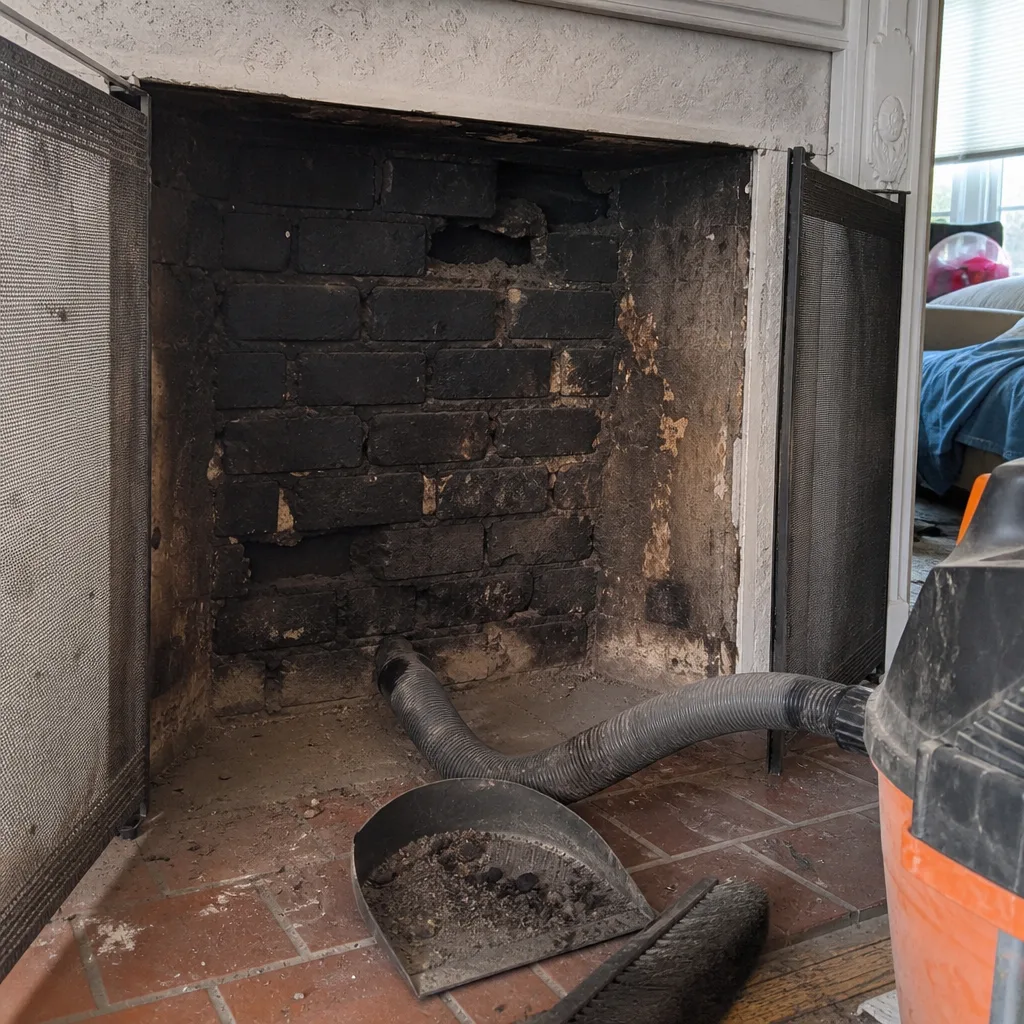 Before
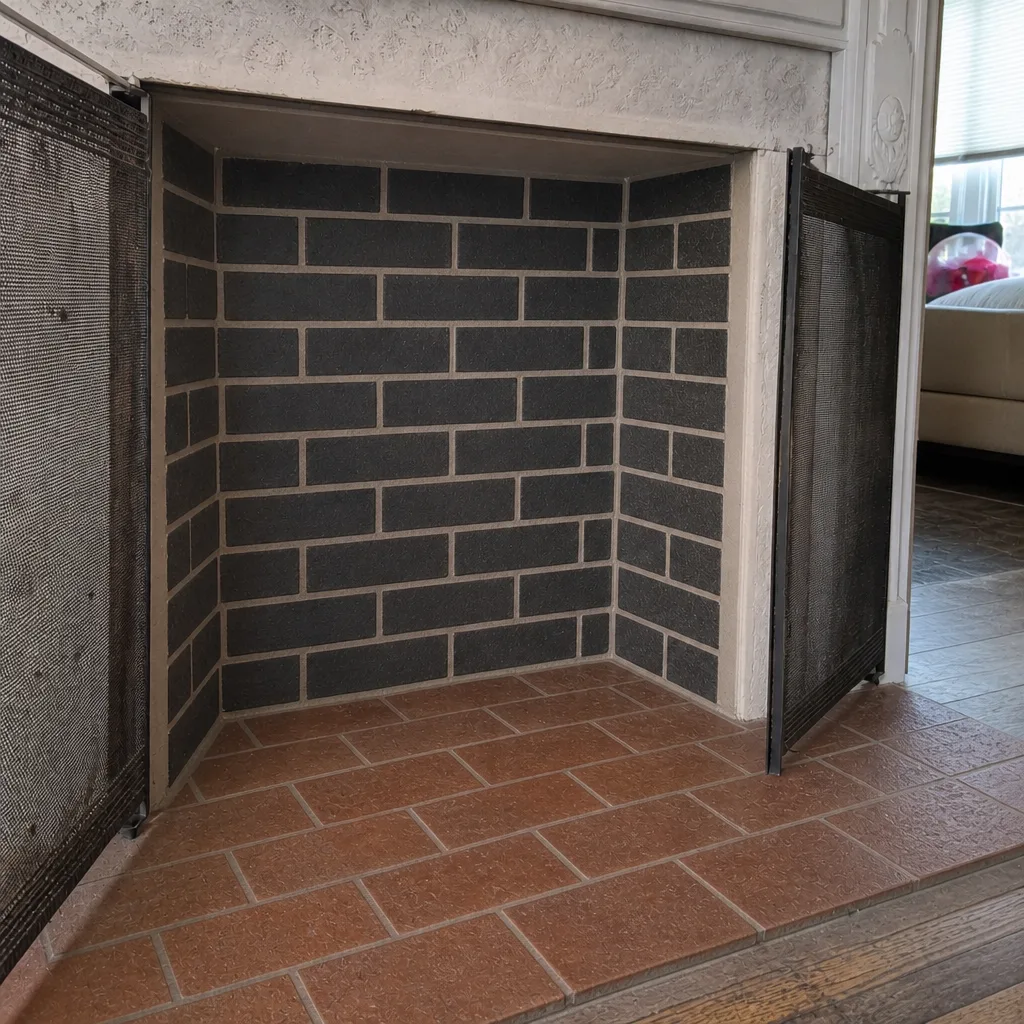 After
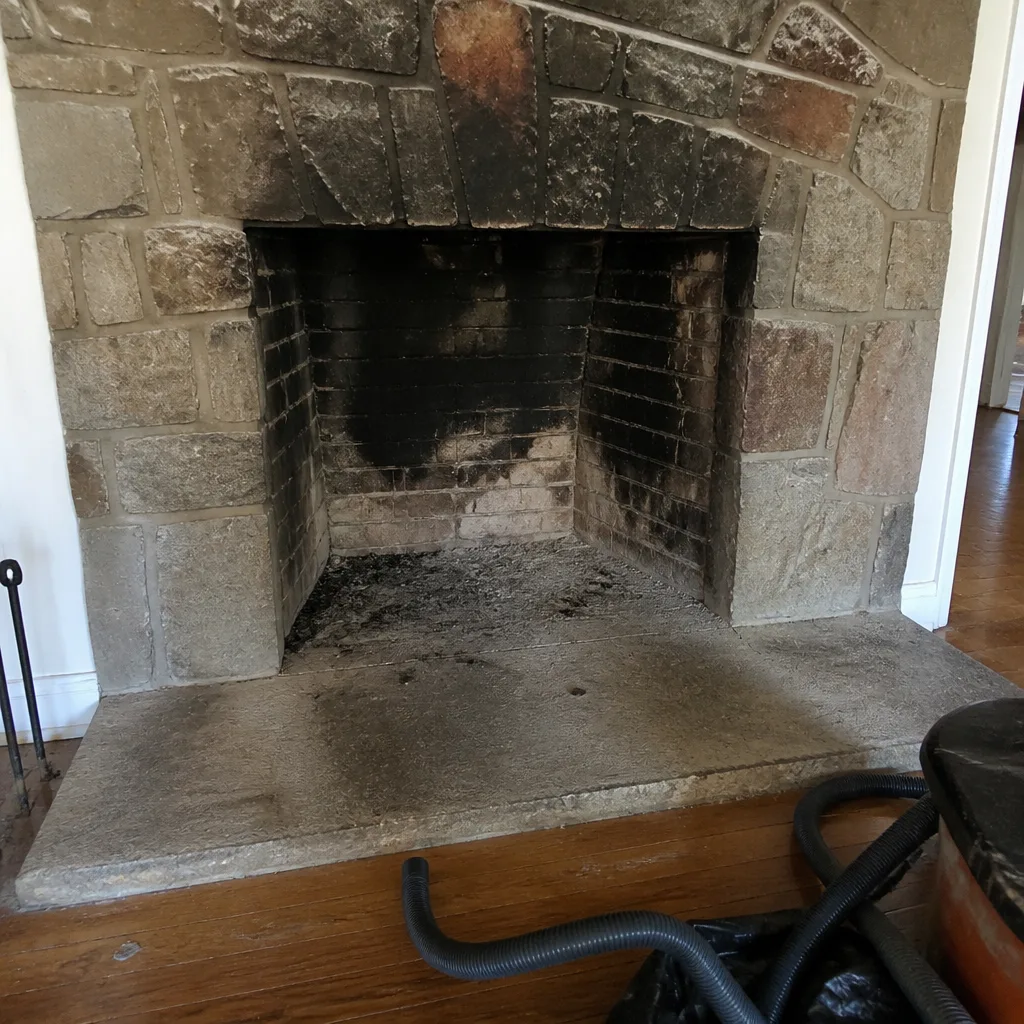 Before
 After
 Before
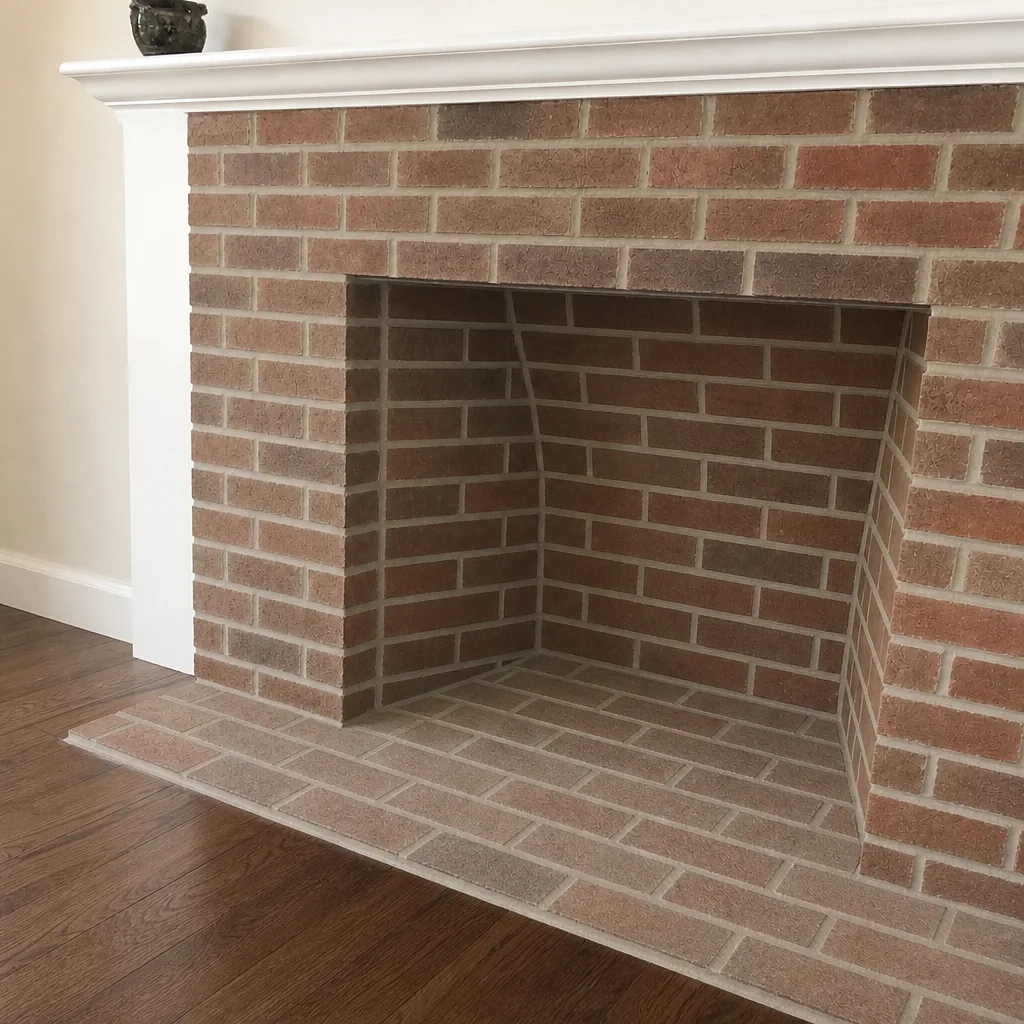 After
When to Call a Professional
Call a professional if you smell smoke inside the house when the fireplace isn’t lit, if smoke spills into the room when you light a fire, or if you can see soot or creosote deposits at the damper or the top of the chimney. Call after any chimney fire, however small. Call before buying or selling a home in Forest Hills, because a Level 2 inspection is what stands up for a real estate transaction. And call if you’ve converted to gas, changed appliances, or simply don’t know when the chimney was last cleaned. These are not jobs for a general handyman. Each situation needs a sweep that can look with a camera, diagnose what it finds, and repair it if needed. Chimney Sweep Forest Hills offers free estimates in Forest Hills – call (855) 410-4917. We answer 24/7. Fast dispatch from 7am to 7pm, Sunday through Friday.
Frequently Asked Questions
A standard sweep typically runs $150-$300, and a sweep with a camera inspection of the flue typically runs $250-$450. A standalone Level 2 inspection is typically $200-$400. The written estimate sets the final price. Call (855) 410-4917 for an exact quote – estimates are free.
Once a year for a wood-burning fireplace in regular use, and annually for a gas fireplace as well. If you burn frequently or use unseasoned wood, you may need it sooner. A camera inspection is the reliable way to know. Call (855) 410-4917 to book a sweep and inspection.
Not always. A camera inspection tells us whether the existing liner is sound, whether it can be resurfaced with HeatShield, or whether it needs replacement with a flexible liner system. We don’t recommend a liner without showing you the evidence. Call (855) 410-4917 for an inspection and a straight answer on what your flue actually needs.
Creosote keeps building up, and a flue packed with glazed creosote is the fuel a chimney fire needs. Separately, a cracked tile or a failing crown lets water and gases into the masonry, and that damage gets more expensive the longer it’s left. If you’re not sure whether your chimney needs attention, call (855) 410-4917 – the estimate is free, and we’ll tell you plainly when work can wait.
Not until it’s been inspected. Even a fire you think you put out can damage the liner or the tile joints. A Level 2 inspection with a camera is what confirms whether the chimney is safe to use again. Call (855) 410-4917 to schedule it.
Yes, at least annually. Gas doesn’t leave the same creosote as wood, but the flue still carries exhaust, and condensation can attack the masonry over time. The appliance and the venting need checking each year. Call (855) 410-4917 for an annual gas fireplace inspection.
The Bottom Line
Chimney cleaning in Forest Hills is a diagnostic process, not a single service. What your chimney needs depends on what it’s lined with, what it burns, and how it’s aged. The variables are the clincher: clay tile versus stainless versus cast-in-place, wood versus gas, early-century masonry versus postwar construction. A professional visit sweeps the flue, cameras it, tests the draft, checks the crown and cap, and hands you a written summary of what needs attention and what can wait. Sweeping is only the first step. Cleaning restores the system, and that’s what keeps a chimney working season after season. Your inspection report tells you exactly what your chimney needs – and what it doesn’t.
Chimney Sweep Forest Hills works with professional-grade materials from HeatShield, Olympia Chimney, Gelco, and Famco – the same products certified chimney professionals specify. Call (855) 410-4917 for a free estimate. We answer 24/7. Fast dispatch from 7am to 7pm, Sunday through Friday.
Written by the team at Chimney Sweep Forest Hills.